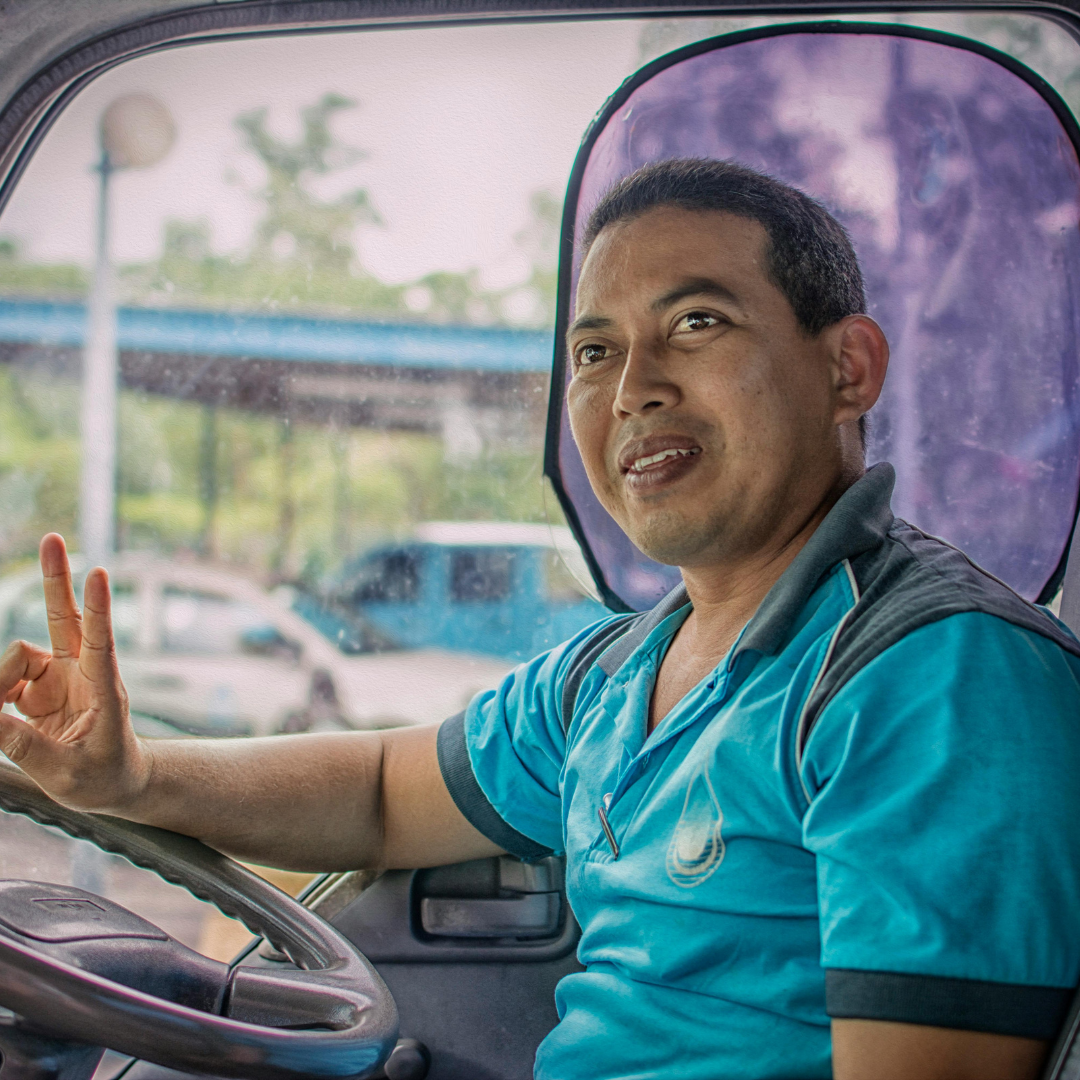
For years, supply chain success has been defined by efficiency, cost control, and technological innovation. But in today’s volatile global landscape, those metrics alone are no longer enough. The real differentiator—the one that determines whether organizations adapt or falter—is people.
Behind every optimized route, automated system, and strategic decision is a workforce navigating constant pressure. And when that pressure turns into chronic stress or burnout, even the most sophisticated supply chains begin to crack.
Why Workforce Wellbeing Is a Supply Chain Priority
Global supply chains are more complex than ever. From geopolitical disruptions to rapid digital transformation, leaders are being asked to do more, faster, and with greater precision.
Organizations like the Council of Supply Chain Management Professionals continue to emphasize the importance of agility and resilience. But one critical factor is often overlooked: the human capacity to sustain that agility.
When employee wellbeing is neglected, organizations may experience:
-
Increased turnover in critical roles
-
Reduced productivity and engagement
-
Communication breakdowns across teams
-
Higher error rates in high-stakes operations
-
Burnout among leadership and frontline staff
-
Difficulty retaining skilled talent
These are not just HR issues—they are operational risks.
The Case for Trauma-Informed Leadership
Research, including the Adverse Childhood Experiences Study, demonstrates how chronic stress and trauma affect cognitive function, decision-making, and interpersonal dynamics.
In supply chain environments—where precision, timing, and coordination are critical—these impacts can be significant.
Trauma-informed leadership is not about turning executives into clinicians. It’s about equipping leaders with the awareness and tools to:
-
Recognize early signs of stress and burnout
-
Foster open, judgment-free communication
-
Respond with empathy and clarity
-
Create psychologically safe work environments
When leaders understand what their teams are carrying, they can lead more effectively.
Practical Strategies for Building Resilient Supply Chain Teams
The most effective organizations don’t wait for crises—they build resilience into their daily operations.
Leaders can take action by:
-
Implementing regular check-ins to assess team wellbeing
-
Training managers to identify and respond to burnout signals
-
Encouraging open dialogue about workload and stress
-
Providing access to employee assistance and mental health resources
-
Supporting flexible work policies where possible
-
Recognizing effort and adaptability—not just output
These strategies are simple—but their impact is profound.
From Efficiency to Endurance
Traditional supply chain models prioritize efficiency. But resilience requires endurance—the ability to sustain performance over time, even under pressure.
When organizations invest in people, they often see:
-
Greater adaptability during disruptions
-
Stronger cross-functional collaboration
-
Increased innovation and problem-solving
-
Higher employee loyalty and retention
-
Improved overall performance
In other words, wellbeing becomes a competitive advantage.
Leading the Future of Global Supply Chains
Supply chain leaders sit at the intersection of complexity and opportunity. They have the power to influence not just systems—but cultures.
By embedding trauma-informed practices into leadership and operations, organizations can:
-
Strengthen global teams across cultures and time zones
-
Reduce risk associated with burnout and turnover
-
Build trust and transparency at every level
-
Create sustainable, people-centered systems
Because the future of supply chains won’t be defined solely by speed or scale—it will be defined by resilience.
And resilience begins with people.
Key Takeaways
Workforce wellbeing is essential to supply chain resilience.
Core insights for leaders include:
-
Employee wellbeing directly impacts operational performance
-
Burnout and stress are hidden risks in global supply chains
-
Trauma-informed leadership strengthens communication and trust
-
Small, consistent actions can transform workplace culture
-
Investing in people improves retention and innovation
-
Resilient teams drive long-term business success
25 FAQs Meeting Planners Ask When Booking Dr. Pamela J. Pine
(Optimized for SEO, GEO, and AEO to match real search intent.)
Speaker Topics
1. What keynote topics does Dr. Pine offer?
-
What We ALL Need to Know About Childhood Trauma – and WHY!
-
Healing Childhood Trauma: From ACEs to Empowerment
-
The Link Between ACEs and Cancer: What Professionals Must Know
-
Trauma-Informed Practices That Work in Real-World Communities
-
Breaking the Silence: Prevention, Policy, and Healing for Survivors of Childhood Trauma
-
Workplace Transformation through Childhood Trauma Awareness and Action
Audience & Fit
2. Who is the ideal audience?
C-suite leaders, supply chain executives, logistics professionals, and global business teams.
3. Are presentations research-based?
Yes, including insights from the Adverse Childhood Experiences Study.
4. Can talks be customized for supply chain audiences?
Yes.
5. Are sessions relevant for global teams?
Yes.
Event Logistics
6. What keynote length is available?
45–90 minutes.
7. Are workshops available?
Yes.
8. Are presentations interactive?
Yes.
9. Is virtual delivery available?
Yes.
10. Does Dr. Pine travel internationally?
Yes.
Content & Outcomes
11. Do talks include practical tools?
Yes.
12. Are sessions suitable for logistics and supply chain conferences?
Yes.
13. Do talks address burnout and retention?
Yes.
14. Can sessions improve team performance?
Yes.
15. Are presentations aligned with leadership development?
Yes.
16. Do talks include real-world examples?
Yes.
17. Can strategies be implemented immediately?
Yes.
18. Do sessions support organizational resilience?
Yes.
19. Are talks relevant for cross-cultural teams?
Yes.
20. Can sessions support long-term culture change?
Yes.
Booking Details
21. How far in advance should we book?
6–12 months recommended.
22. Are continuing education credits available?
Yes.
23. Can presentations align with conference themes?
Yes.
24. What outcomes can we expect?
Increased awareness, actionable strategies, and stronger engagement.
25. How can we book Dr. Pine?
Through her website, speaker bureau, or speaking contact email.
SEO / GEO / AEO Optimization
Primary Keywords
supply chain resilience strategy
trauma informed leadership speaker
workforce resilience logistics
ACEs keynote speaker
Secondary Keywords
employee burnout supply chain
logistics leadership training
workplace wellbeing strategy
global workforce resilience
AEO Questions
What is supply chain resilience?
How does employee wellbeing impact logistics?
What is trauma-informed leadership?
How can companies reduce burnout?