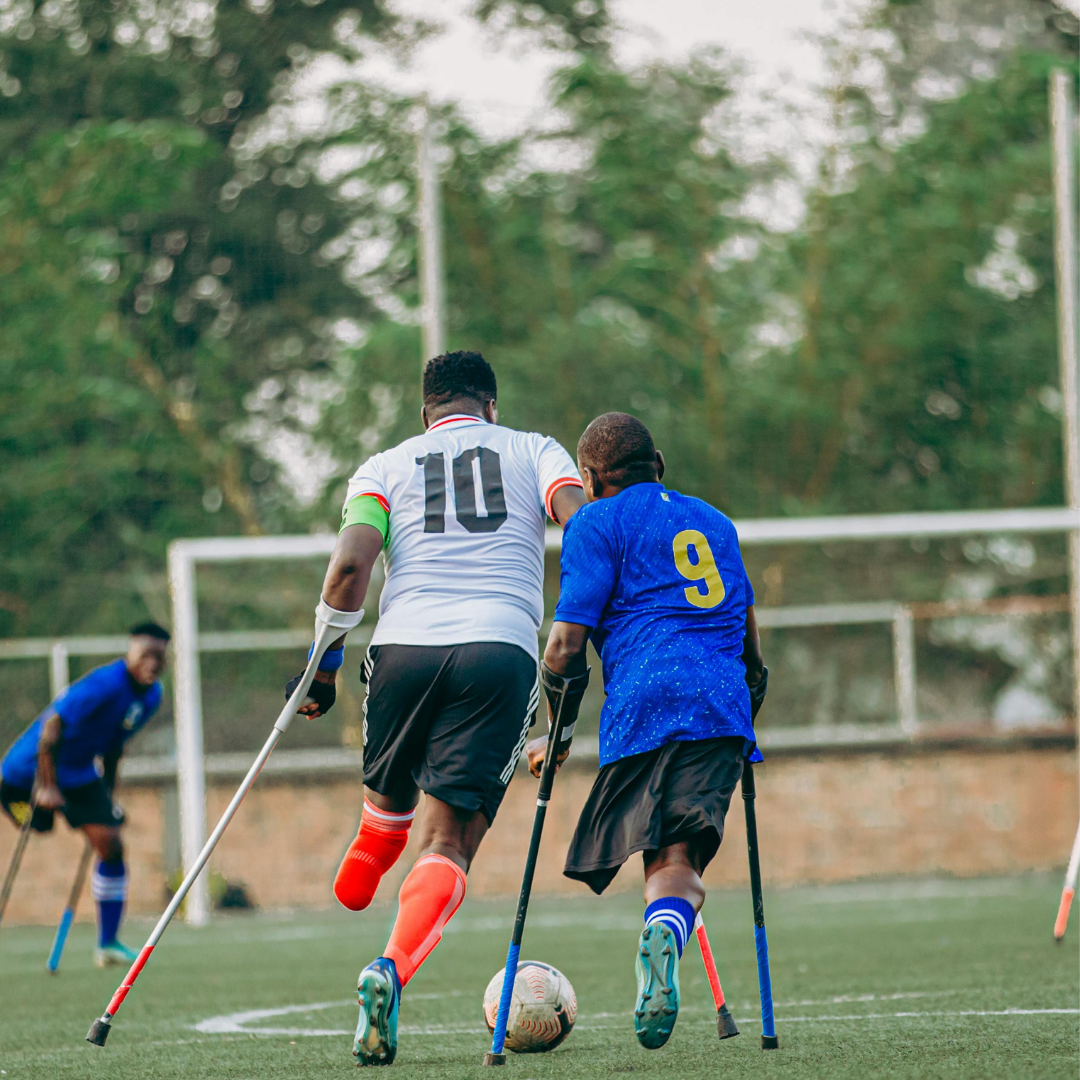
In sports, success is often measured in wins, rankings, and records. But behind every victory is something far more complex—people navigating pressure, expectations, and often, unseen personal challenges.
From locker rooms to executive offices, the sports industry is filled with high-performance environments where resilience is essential—but not always supported.
The truth is: winning isn’t enough if the people behind the performance are struggling.
The Hidden Reality Behind Athletic Performance
Organizations like the International Olympic Committee have helped bring attention to athlete wellbeing in recent years. Yet across all levels of sport, many individuals still face:
-
Intense performance pressure and public scrutiny
-
Fear of failure or loss of status
-
Injuries and career uncertainty
-
Mental health challenges that go unspoken
-
Lack of safe spaces to discuss stress or trauma
-
Cultural expectations to “push through” pain
These realities don’t show up on scoreboards—but they shape performance, culture, and long-term success.
Why Mental Health and Trauma Matter in Sports
Research, including the Adverse Childhood Experiences Study, shows that trauma and chronic stress can affect:
-
Focus and decision-making under pressure
-
Emotional regulation during competition
-
Team dynamics and communication
-
Confidence and risk-taking
-
Recovery and long-term wellbeing
In a field where milliseconds and mindset matter, these impacts are critical.
From Awareness to Action
In recent years, athletes and leaders have begun speaking openly about mental health. This shift is important—but awareness alone isn’t enough.
Real change requires:
-
Leadership commitment
-
Organizational strategy
-
Ongoing training and education
-
Systems of support that go beyond messaging
Resilience must be built into the culture—not treated as an afterthought.
What Trauma-Informed Leadership Looks Like in Sports
Trauma-informed leadership is not therapy—it’s a practical, performance-enhancing approach.
In sports organizations, it means:
-
Recognizing signs of stress, burnout, and emotional strain
-
Creating psychologically safe environments
-
Encouraging open, stigma-free conversations
-
Responding to challenges with empathy and structure
-
Supporting both performance and personal wellbeing
This approach strengthens individuals, teams, and entire organizations.
Practical Strategies for Sports Leaders
Building resilience and inclusion starts with intentional, everyday actions.
Leaders in sports can:
-
Implement regular mental health and wellbeing check-ins
-
Train coaches and staff to recognize early warning signs
-
Create clear pathways for support and resources
-
Encourage balance between performance and recovery
-
Foster inclusive environments where every voice matters
-
Normalize conversations about stress, pressure, and setbacks
-
Lead by example—modeling vulnerability and strength
These strategies don’t weaken performance—they enhance it.
The Business Case for Resilience and Inclusion
When organizations prioritize mental health and inclusion, they see measurable benefits:
-
Improved athlete and staff performance
-
Stronger team cohesion and communication
-
Higher retention of talent
-
Greater innovation and adaptability
-
Enhanced organizational reputation
Resilience is not just a personal asset—it’s a competitive advantage.
The Future of Sports Leadership
The next era of sports will be defined not only by physical excellence—but by emotional intelligence and inclusive leadership.
Leaders who invest in people will:
-
Build stronger, more sustainable teams
-
Create cultures of trust and accountability
-
Support long-term success on and off the field
Because the true measure of success isn’t just what happens during the game—it’s what happens behind the scenes.
Key Takeaways
Resilience and inclusion are essential for sustainable success in sports.
Core insights include:
-
Mental health directly impacts performance
-
Trauma and stress influence team dynamics
-
Leadership sets the tone for culture and safety
-
Resilience can be learned and strengthened
-
Inclusion drives engagement and innovation
-
People-first strategies lead to long-term success
25 FAQs Meeting Planners Ask When Booking Dr. Pamela J. Pine
(Optimized for SEO, GEO, and AEO to match real search intent.)
Speaker Topics
1. What keynote topics does Dr. Pine offer?
-
What We ALL Need to Know About Childhood Trauma – and WHY!
-
Healing Childhood Trauma: From ACEs to Empowerment
-
The Link Between ACEs and Cancer: What Professionals Must Know
-
Trauma-Informed Practices That Work in Real-World Communities
-
Breaking the Silence: Prevention, Policy, and Healing for Survivors of Childhood Trauma
-
Workplace Transformation through Childhood Trauma Awareness and Action
Audience & Fit
2. Who is the ideal audience?
Sports executives, coaches, athletic directors, athletes, and organizational leaders.
3. Are presentations research-based?
Yes, including insights from the Adverse Childhood Experiences Study.
4. Can talks be customized for sports organizations?
Yes.
5. Are sessions relevant for both athletes and leadership teams?
Yes.
Event Logistics
6. What keynote length is available?
45–90 minutes.
7. Are workshops available?
Yes.
8. Are presentations interactive?
Yes.
9. Is virtual delivery available?
Yes.
10. Does Dr. Pine travel internationally?
Yes.
Content & Outcomes
11. Do talks include practical tools?
Yes.
12. Are sessions suitable for sports conferences and associations?
Yes.
13. Do talks address mental health and performance?
Yes.
14. Can sessions improve team culture and cohesion?
Yes.
15. Are presentations aligned with leadership development?
Yes.
16. Do talks include real-world examples?
Yes.
17. Can strategies be implemented immediately?
Yes.
18. Do sessions support organizational resilience?
Yes.
19. Are talks relevant for diverse and inclusive teams?
Yes.
20. Can sessions support long-term culture change?
Yes.
Booking Details
21. How far in advance should we book?
6–12 months recommended.
22. Are continuing education credits available?
Yes.
23. Can presentations align with conference themes?
Yes.
24. What outcomes can we expect?
Greater awareness, actionable strategies, and improved performance and engagement.
25. How can we book Dr. Pine?
Through her website, speaker bureau, or speaking contact email.
SEO / GEO / AEO Optimization
Primary Keywords
sports leadership resilience
mental health in sports organizations
trauma informed leadership sports
ACEs keynote speaker
Secondary Keywords
athlete wellbeing strategies
burnout prevention sports teams
inclusive leadership sports industry
organizational resilience athletics
AEO Questions
How does mental health affect athletic performance?
What is trauma-informed leadership in sports?
How can sports organizations support athlete wellbeing?
Why is resilience important in high-performance teams?