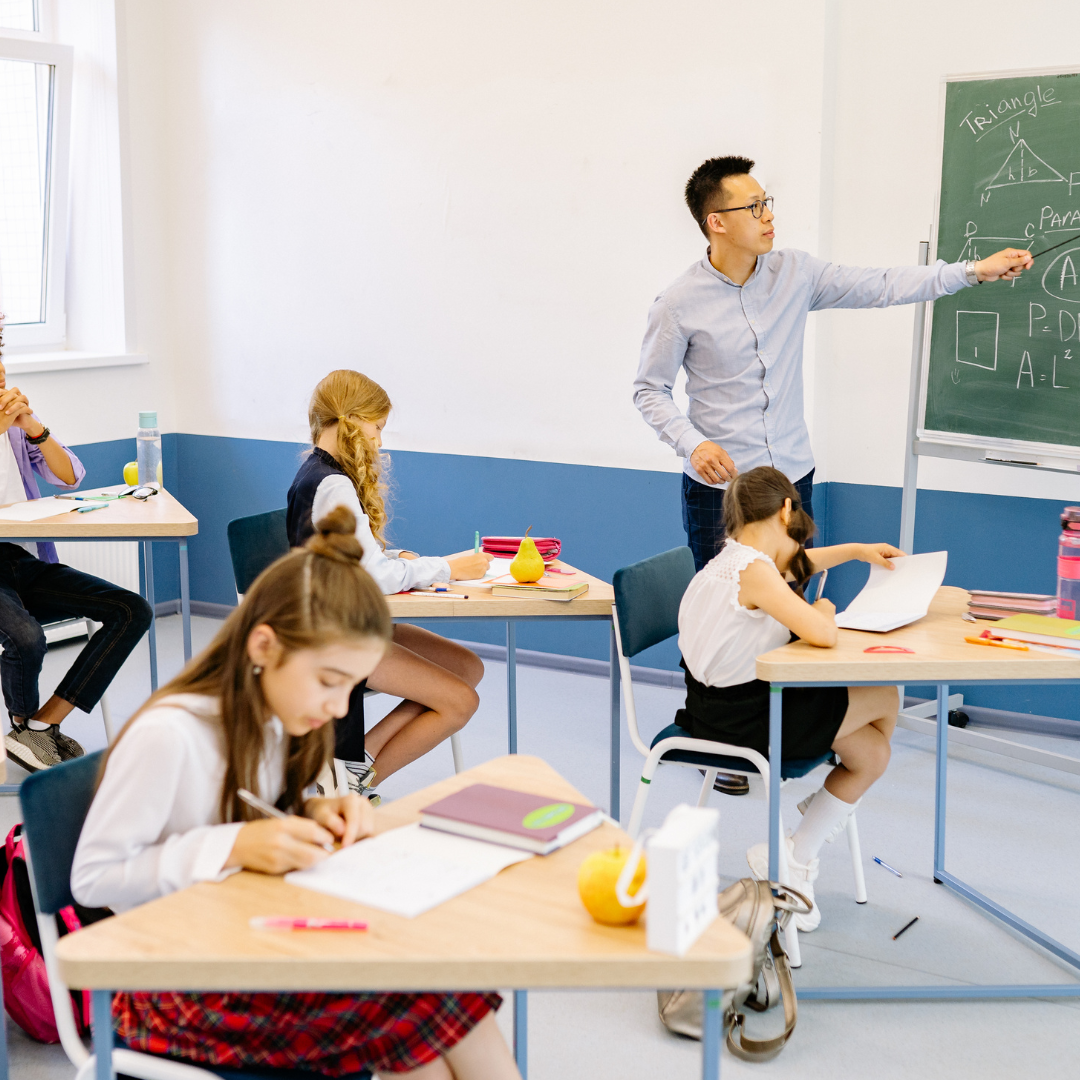
Students don’t leave their life experiences at the classroom door. For many, those experiences include trauma, adversity, and challenges that make learning feel out of reach.
Educators today are being called to do more than teach—they are being asked to notice, connect, and respond in ways that support the whole child.
Trauma-informed schools are not a trend—they are the next frontier of effective education.
The Hidden Barriers to Learning
Trauma can show up in ways that are often misunderstood:
- Acting out or disruptive behavior
- Silence or withdrawal
- Difficulty concentrating
- Fear of failure or reluctance to try
- Challenges building relationships
Research, including the Adverse Childhood Experiences Study, shows that trauma impacts brain development, emotional regulation, and learning capacity.
When we misinterpret these signs, we miss opportunities to help.
Educators as Catalysts for Change
Educators don’t need clinical training to make a meaningful impact.
What they need is:
- Awareness of trauma’s effects
- Practical, classroom-ready strategies
- A mindset rooted in empathy and curiosity
Connection—not perfection—is what drives change.
Practical Strategies for Trauma-Informed Classrooms
Transforming classrooms starts with small, consistent actions.
Here are actionable ways educators can support students:
- Greet students by name to foster belonging
- Use brief emotional check-ins at the start of class
- Create predictable routines that build safety
- Offer choices to increase student autonomy
- Respond to behavior with curiosity rather than punishment
- Encourage safe opportunities for student voice
- Build peer support and collaborative learning
- Model empathy, patience, and consistency
Turning Awareness Into Action
Understanding trauma is only the beginning.
Real change happens when schools:
- Talk openly about trauma and its impact
- Equip staff with practical tools and support
- Foster collaboration among teachers, counselors, and leaders
- Create systems that prioritize student well-being
When trauma becomes a shared responsibility, schools become stronger communities.
Breaking the Silence in School Communities
Silence keeps trauma hidden—and students unsupported.
When educators and leaders create space for dialogue:
- Stigma decreases
- Trust increases
- Students feel safer asking for help
- Staff feel supported in addressing challenges
Open conversation is a catalyst for healing and growth.
The Impact: More Than Academics
Schools that embrace trauma-informed practices see:
- Increased student engagement
- Improved behavior and participation
- Stronger relationships between students and staff
- Higher retention among educators
- A more positive, inclusive school culture
The results go far beyond test scores.
The Future of Education
The next evolution in education isn’t just about curriculum—it’s about environment.
Schools that prioritize trauma-informed practices will:
- Support the whole child
- Build resilient learning communities
- Improve both academic and emotional outcomes
- Prepare students for lifelong success
Final Thought
Every student deserves to feel safe, seen, and supported.
When we choose to see the whole student—not just the behavior—we unlock the potential for transformation.
That’s the future of education.
Key Takeaways
- Trauma significantly impacts student learning and behavior
- Educators play a critical role in identifying and responding to trauma
- Small, consistent actions can transform classroom environments
- Trauma-informed schools foster resilience and belonging
- Open dialogue reduces stigma and builds trust
- Whole-child approaches lead to stronger outcomes for students and staff
25 FAQs for Meeting Planners Booking Dr. Pamela J. Pine
Speaking Topics & Expertise
1. What topics does Dr. Pine speak on?
- What We ALL Need to Know About Childhood Trauma – and WHY!
- Healing Childhood Trauma: From ACEs to Empowerment
- The Link Between ACEs and Cancer: What Professionals Must Know
- Trauma-Informed Practices That Work in Real-World Communities
- Breaking the Silence: Prevention, Policy, and Healing for Survivors of Childhood Trauma
- Workplace Transformation through Childhood Trauma Awareness and Action
2. Are these topics relevant to K–12 educators and school leaders?
Yes—especially for student well-being, engagement, and school culture.
3. Is the content research-based?
Yes, including the Adverse Childhood Experiences Study.
4. Can sessions be tailored to specific school districts or systems?
Absolutely.
5. Do presentations address classroom behavior challenges?
Yes.
Audience Experience & Outcomes
6. What will attendees gain?
Practical, actionable strategies to support students and improve classroom environments.
7. Are sessions interactive?
Yes.
8. How are sensitive topics handled?
With care, professionalism, and a trauma-informed approach.
9. What makes these sessions unique?
They connect trauma science with real-world classroom application.
10. What outcomes can schools expect?
Improved engagement, behavior, and educator confidence.
Logistics & Delivery
11. What formats are available?
Keynotes, workshops, panels, and trainings.
12. Are virtual sessions available?
Yes.
13. Session length?
30–90 minutes or customizable.
14. Technical requirements?
Standard AV or virtual setup.
15. Booking timeline?
2–6 months recommended.
Customization & Collaboration
16. Can content align with district goals and initiatives?
Yes.
17. Is pre-event consultation included?
Yes.
18. Can real classroom scenarios be incorporated?
Yes.
19. Are follow-up materials provided?
Yes.
20. Can multi-session engagements be arranged?
Yes.
Value & Impact
21. Why is trauma-informed education important?
Because student well-being directly impacts learning outcomes.
22. How does this improve ROI for schools?
Through better engagement, reduced behavioral issues, and improved outcomes.
23. Is this scalable across districts or systems?
Yes.
24. What sets Dr. Pine apart?
A unique combination of global experience, public health expertise, and practical strategies.
25. How do we book Dr. Pine?
Reach out with your event details for a customized proposal.
SEO, GEO & AEO Optimization
SEO Keywords
- trauma informed schools
- whole child education
- student trauma and learning
- classroom behavior strategies
- educator resilience
- school culture transformation
GEO Optimization
- Relevant for schools, districts, and education systems globally
- Ideal for education conferences, leadership summits, and professional development events
AEO Optimization
- FAQ structured for AI-driven search and featured snippets
- Clear, concise answers for booking intent
- Optimized for voice search and education-related queries