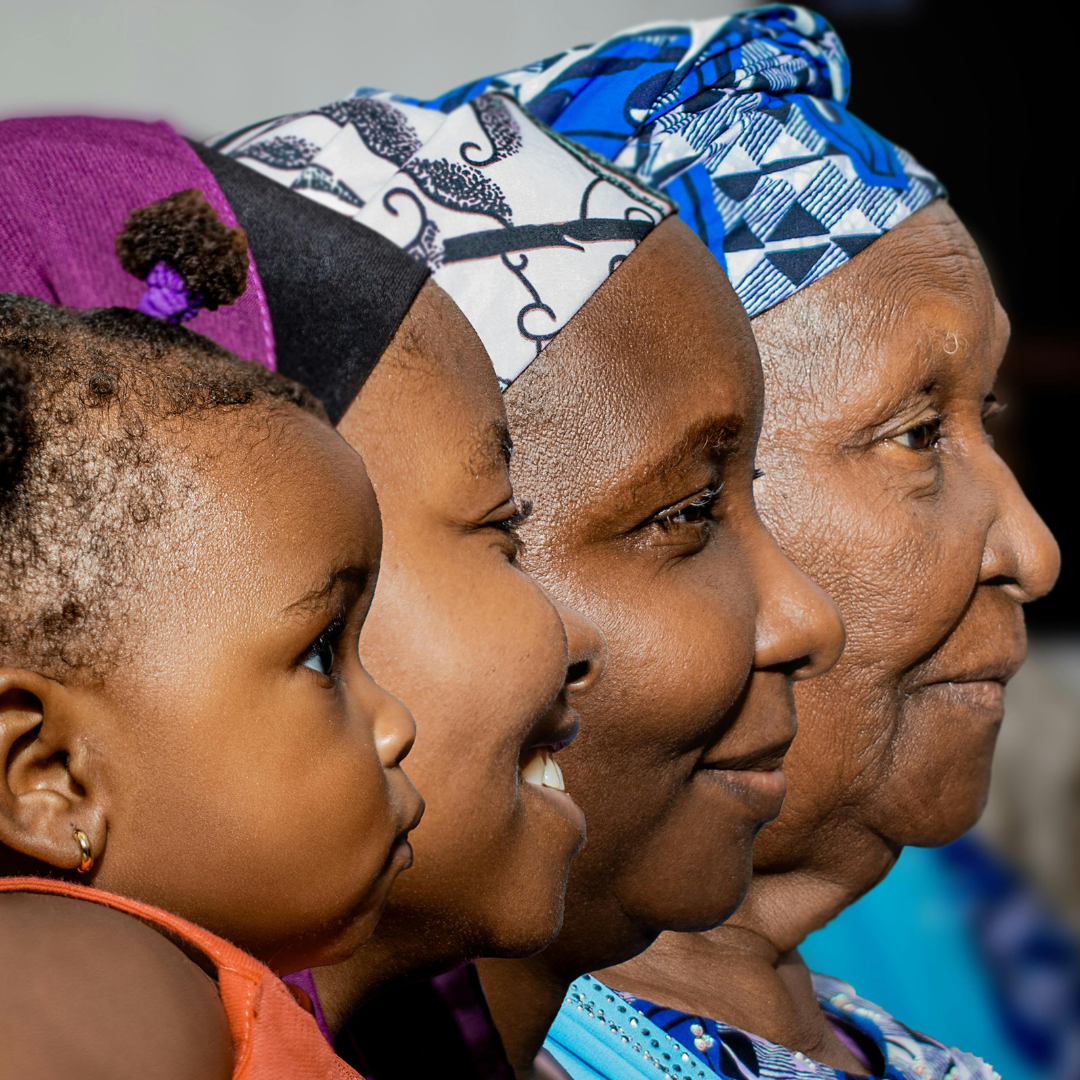
Women’s leadership is often defined by powerful stories—resilience, grit, and rising after setbacks that few ever see. Yet too often, those stories are only told in hindsight, with the hardest chapters left out of the conversation.
But adversity doesn’t just shape outcomes.
It shapes how women lead.
In my work with women across the globe, I’ve seen how experiences—whether rooted in childhood or faced in the workplace—shape not only decisions, but a woman’s sense of possibility. The real shift happens when women are given more than a platform.
They need a roadmap.
The Hidden Impact of Trauma on Women’s Leadership
Trauma doesn’t always look like trauma. It often shows up in ways that are normalized—or overlooked.
Common ways it appears:
- Imposter syndrome and persistent self-doubt
- Hesitation to advocate for oneself
- Leading from the sidelines rather than the front
- Overworking to prove value
- Difficulty setting boundaries
- Fear of visibility or stepping into leadership roles
Research, including the Adverse Childhood Experiences Study, highlights how early adversity can shape confidence, stress responses, and long-term outcomes.
Understanding this is the first step toward change.
What Trauma-Informed Leadership Looks Like
Trauma-informed leadership is not about revisiting the past—it’s about using awareness to build a stronger future.
It equips women with practical, actionable strategies to lead with clarity and confidence.
Key elements include:
- Shifting self-talk from limitation to possibility
- Building strong, supportive peer networks
- Practicing intentional communication and advocacy
- Developing clear, step-by-step action plans for growth
- Creating environments where stories can be shared safely
- Recognizing resilience as a skill—not a trait
Turning Barriers Into Stepping Stones
The path to leadership is rarely linear. But with the right tools, what once felt like barriers can become building blocks.
Practical strategies women can apply immediately:
- Reframing negative internal narratives
- Setting and maintaining healthy boundaries
- Seeking mentorship and peer support
- Taking small, consistent steps toward visibility
- Practicing courageous conversations
- Celebrating progress—not perfection
The Power of Owning Your Story
The most effective women leaders don’t hide their journeys—they honor them.
They:
- Speak openly about challenges and growth
- Create space for others to share
- Lead with authenticity and empathy
- Build cultures of trust and inclusion
When one woman shares her story, it creates permission for others to do the same.
Why This Matters Now
Organizations, communities, and industries are calling for stronger, more authentic leadership.
Trauma-informed leadership delivers:
- Greater confidence and clarity in decision-making
- Stronger team dynamics and communication
- Increased resilience and adaptability
- More inclusive and supportive environments
This is leadership built for today—and for the future.
From Adversity to Impact
Trauma-informed leadership does not erase adversity.
It transforms it.
It allows women to take what once limited them and turn it into a foundation for influence, growth, and lasting impact.
Key Takeaways
- Adversity often shapes leadership in unseen ways
- Trauma can influence confidence, communication, and decision-making
- Awareness is the first step toward transformation
- Practical tools empower women to lead with confidence
- Resilience is a skill that can be built over time
- Sharing stories fosters connection, healing, and growth
25 FAQs for Meeting Planners Booking Dr. Pamela J. Pine
Speaking Topics & Expertise
1. What topics does Dr. Pine speak on?
- What We ALL Need to Know About Childhood Trauma – and WHY!
- Healing Childhood Trauma: From ACEs to Empowerment
- The Link Between ACEs and Cancer: What Professionals Must Know
- Trauma-Informed Practices That Work in Real-World Communities
- Breaking the Silence: Prevention, Policy, and Healing for Survivors of Childhood Trauma
- Workplace Transformation through Childhood Trauma Awareness and Action
2. Are these topics relevant for women’s leadership events?
Yes—especially for empowerment, resilience, and leadership development.
3. Is the content evidence-based?
Yes, including the Adverse Childhood Experiences Study.
4. Can the session be tailored to women leaders?
Absolutely.
5. Does the presentation include actionable strategies?
Yes.
Audience Experience & Outcomes
6. What will attendees gain?
Tools for confidence, communication, leadership, and resilience.
7. Are sessions interactive?
Yes.
8. How are sensitive topics handled?
With care, professionalism, and a trauma-informed approach.
9. What makes Dr. Pine’s sessions unique?
A powerful blend of science, storytelling, and actionable strategies.
10. What outcomes can organizations expect?
More confident leaders, stronger teams, and increased engagement.
Logistics & Delivery
11. What formats are available?
Keynotes, workshops, panels, and trainings.
12. Are virtual sessions available?
Yes.
13. Typical session length?
30–90 minutes or customizable.
14. What are the AV requirements?
Standard setup.
15. How far in advance should we book?
2–6 months recommended.
Customization & Collaboration
16. Can content align with our event theme?
Yes.
17. Is pre-event consultation included?
Yes.
18. Can real-world examples be included?
Yes.
19. Are follow-up resources provided?
Yes.
20. Do you offer multi-session engagements?
Yes.
Value & Impact
21. Why is trauma-informed leadership important for women?
Because it addresses hidden barriers to leadership and growth.
22. How does this improve ROI for events?
By delivering practical, applicable insights that drive real change.
23. Is this scalable across organizations?
Yes.
24. What sets Dr. Pine apart?
Global expertise with actionable, real-world strategies.
25. How do we book Dr. Pine?
Contact with event details for a customized proposal.
SEO, GEO & AEO Optimization
SEO Keywords
- trauma informed leadership for women
- women leadership and resilience
- overcoming imposter syndrome women
- childhood trauma and leadership
- empowering women leaders
- trauma informed workplace leadership
GEO Optimization
- Ideal for women’s conferences, leadership summits, corporate events, nonprofits, and global organizations
- Applicable across industries seeking stronger, more resilient leadership
AEO Optimization
- Structured FAQ format optimized for AI and voice search
- Clear, concise answers for meeting planners and decision-makers
- Designed for featured snippets and high search visibility