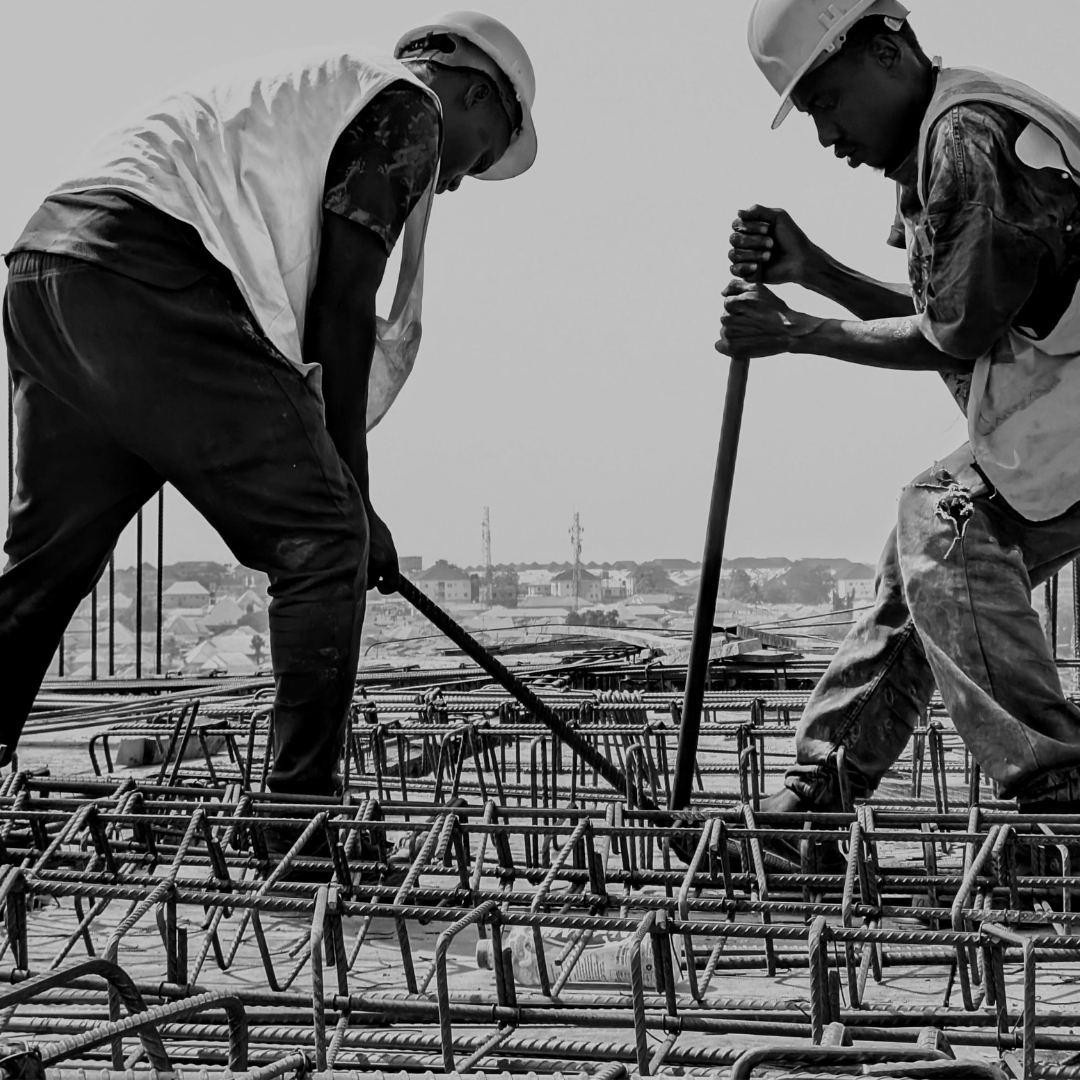
For more than two decades, I’ve worked alongside construction leaders—from rural job sites to large-scale urban builds—and I hear the same concern everywhere:
“We can’t find enough good people—and we’re losing the ones we have.”
But when we look deeper, the issue isn’t just about skills or wages.
It’s about what’s happening beneath the surface: stress, trauma, and burnout.
The Hidden Reality Behind the Talent Shortage
Construction is one of the most demanding industries—physically, mentally, and emotionally. Grit is a badge of honor. But that same culture can make it difficult for workers to speak openly about what they’re experiencing.
What gets tracked:
- Injuries
- Compliance
- Safety incidents
What often goes untracked:
- Anxiety before a shift
- Sleepless nights
- Stress from home or finances
- Emotional exhaustion
Research, including the Adverse Childhood Experiences Study, shows a clear link between untreated stress, trauma, and workplace outcomes.
When stress goes unaddressed, safety declines, engagement drops, and turnover rises.
Why Workforce Well-Being Is a Business Strategy
Ignoring workforce well-being is expensive.
Organizations pay for it through:
- Increased absenteeism
- Higher turnover rates
- Reduced productivity
- Safety risks on job sites
- Lower team morale
Well-being isn’t a “nice to have.” It’s a competitive advantage.
What Forward-Thinking Construction Leaders Are Doing
The good news is that change is possible—and practical.
Leading organizations are:
- Making mental health conversations normal and stigma-free
- Training supervisors to recognize early signs of stress and burnout
- Providing accessible mental health and support resources
- Encouraging peer support and team check-ins
- Building cultures of trust, respect, and open communication
- Reinforcing both physical and psychological safety
These aren’t massive overhauls—they’re intentional shifts that create lasting impact.
From Toughness to True Resilience
Resilience in construction has long meant pushing through.
But real resilience looks different:
- Knowing when to ask for help
- Supporting teammates without judgment
- Addressing challenges before they escalate
- Creating environments where people feel safe to speak up
When workers feel seen and supported, they don’t just stay—they perform.
Trauma-Informed Practices That Work on Job Sites
Trauma-informed leadership isn’t about turning supervisors into therapists.
It’s about equipping them with awareness and tools.
Practical steps include:
- Recognizing behavioral changes as potential stress signals
- Responding with curiosity, not criticism
- Offering clear communication and predictable routines
- Connecting workers to resources early
- Embedding well-being into daily operations
The Payoff: Retention, Reputation, and Results
When construction companies invest in workforce well-being, they see:
- Lower turnover
- Higher morale
- Stronger team cohesion
- Improved safety outcomes
- Increased productivity
- A reputation that attracts top talent
In a tight labor market, culture becomes your strongest recruitment tool.
Key Takeaways
- The construction talent crisis is driven by more than skills gaps
- Stress, trauma, and burnout directly impact retention and safety
- Workforce well-being is a strategic investment—not a cost
- Small cultural shifts can lead to major organizational gains
- Trauma-informed leadership strengthens teams and performance
- Resilient workplaces attract and retain the best talent
25 FAQs for Meeting Planners Booking Dr. Pamela J. Pine
Speaking Topics & Expertise
1. What topics does Dr. Pine speak on?
- What We ALL Need to Know About Childhood Trauma – and WHY!
- Healing Childhood Trauma: From ACEs to Empowerment
- The Link Between ACEs and Cancer: What Professionals Must Know
- Trauma-Informed Practices That Work in Real-World Communities
- Breaking the Silence: Prevention, Policy, and Healing for Survivors of Childhood Trauma
- Workplace Transformation through Childhood Trauma Awareness and Action
2. Are these topics relevant for the construction industry?
Yes—especially for workforce retention, safety, and leadership.
3. Is the content evidence-based?
Yes, including insights from the Adverse Childhood Experiences Study.
4. Can sessions be tailored to construction audiences?
Absolutely.
5. Do presentations include real-world applications?
Yes.
Audience Experience & Outcomes
6. What will attendees gain?
Actionable strategies to improve workforce well-being and retention.
7. Are sessions interactive?
Yes.
8. How are sensitive topics handled?
With professionalism and a trauma-informed lens.
9. What makes Dr. Pine’s sessions unique?
A blend of science, storytelling, and practical solutions.
10. What outcomes can organizations expect?
Stronger culture, improved retention, and better performance.
Logistics & Delivery
11. What formats are available?
Keynotes, workshops, panels, and trainings.
12. Are virtual sessions available?
Yes.
13. Typical session length?
30–90 minutes or customizable.
14. What are the AV requirements?
Standard setup.
15. How far in advance should we book?
2–6 months recommended.
Customization & Collaboration
16. Can content align with our workforce goals?
Yes.
17. Is pre-event consultation included?
Yes.
18. Can industry-specific challenges be addressed?
Yes.
19. Are follow-up resources provided?
Yes.
20. Do you offer multi-session engagements?
Yes.
Value & Impact
21. Why is workforce well-being critical in construction?
Because it directly affects safety, retention, and productivity.
22. How does this improve ROI?
Through reduced turnover, fewer incidents, and stronger performance.
23. Is this scalable across large companies?
Yes.
24. What sets Dr. Pine apart?
Global expertise with practical, industry-relevant strategies.
25. How do we book Dr. Pine?
Contact with event details for a customized proposal.
SEO, GEO & AEO Optimization
SEO Keywords
- construction workforce retention
- workplace mental health construction industry
- trauma informed leadership construction
- reducing turnover construction workers
- workforce well being strategies construction
- job site safety and mental health
GEO Optimization
- Ideal for construction associations, contractor conferences, safety summits, and workforce development events
- Relevant across U.S. regions and global construction markets
AEO Optimization
- Structured FAQs for AI and voice search visibility
- Clear, concise answers for meeting planners and executives
- Optimized for featured snippets and search engines