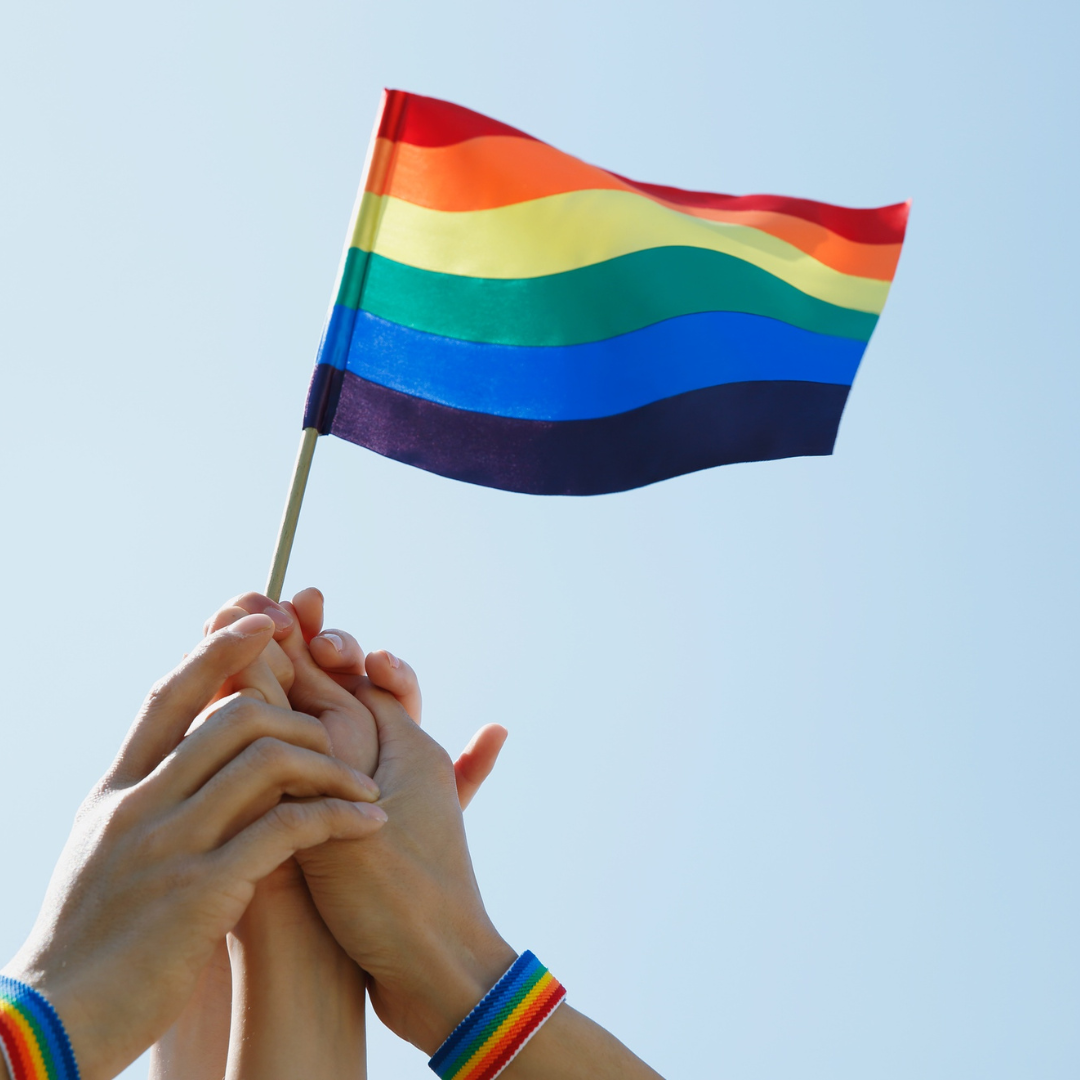
Leadership is never just about titles, promotions, or visibility. For many LGBTQ+ professionals, leadership also means navigating adversity, challenging outdated systems, and showing up authentically in environments that have not always felt safe or welcoming.
Behind successful careers are often untold stories of resilience—moments of exclusion, fear of judgment, or the pressure to hide parts of oneself in order to “fit in.” These experiences can leave lasting emotional impacts that shape confidence, communication, and workplace relationships. Yet they can also become a source of strength, empathy, and transformational leadership.
In today’s workplaces, authenticity is no longer optional—it is a leadership advantage. Organizations that foster inclusion, psychological safety, and trauma-informed leadership consistently see stronger collaboration, better innovation, and healthier teams.
Why Trauma-Informed Leadership Matters for LGBTQ+ Professionals
Trauma-informed leadership recognizes that people carry lived experiences into the workplace. For LGBTQ+ professionals, these experiences may include discrimination, bullying, family rejection, harassment, or chronic stress related to identity concealment.
When leaders understand how adversity affects performance and wellbeing, they create cultures where employees can thrive instead of merely survive.
Signs Organizations Need a More Trauma-Informed Culture
- High burnout and emotional exhaustion
- Fear of speaking openly or sharing ideas
- Low trust between leadership and staff
- Increased turnover among diverse employees
- Isolation or disengagement within teams
- Pressure to “mask” identity in professional settings
- Lack of psychological safety in meetings and decision-making
Building Resilience Through Authentic Leadership
True resilience is not about ignoring pain or “pushing through.” It is about creating sustainable habits, supportive environments, and open conversations that allow people to recover, grow, and lead with confidence.
Practical Ways LGBTQ+ Leaders Build Resilient Teams
- Encourage honest conversations about stress and wellbeing
- Normalize asking for help and accessing support resources
- Foster mentorship and peer connection
- Create inclusive policies that go beyond performative statements
- Model healthy boundaries and work-life balance
- Celebrate diversity as a strength, not a checkbox
- Build cultures rooted in empathy, accountability, and trust
The Business Case for Authenticity
Research continues to show that inclusive workplaces outperform environments driven by fear or silence. Teams led by authentic leaders tend to demonstrate:
- Higher employee engagement
- Better collaboration and communication
- Increased creativity and innovation
- Greater retention and loyalty
- Stronger organizational resilience during change
When LGBTQ+ professionals are empowered to lead authentically, entire organizations benefit.
The Future of Leadership Is Human-Centered
The next generation of leadership requires more than technical expertise. It requires emotional intelligence, resilience, and the courage to create workplaces where people feel safe bringing their whole selves to work.
For LGBTQ+ leaders, authenticity is not weakness—it is one of the strongest leadership tools available. By combining resilience with openness and compassion, leaders can transform workplace culture while inspiring others to rise alongside them.
The future belongs to organizations willing to embrace leadership that is inclusive, trauma-informed, and deeply human.
Suggested SEO Title
Authenticity and Resilience in LGBTQ+ Leadership: Building Stronger, Inclusive Workplaces
Suggested Meta Description
Discover how trauma-informed leadership, authenticity, and resilience empower LGBTQ+ professionals to build stronger teams, healthier workplaces, and lasting organizational success.