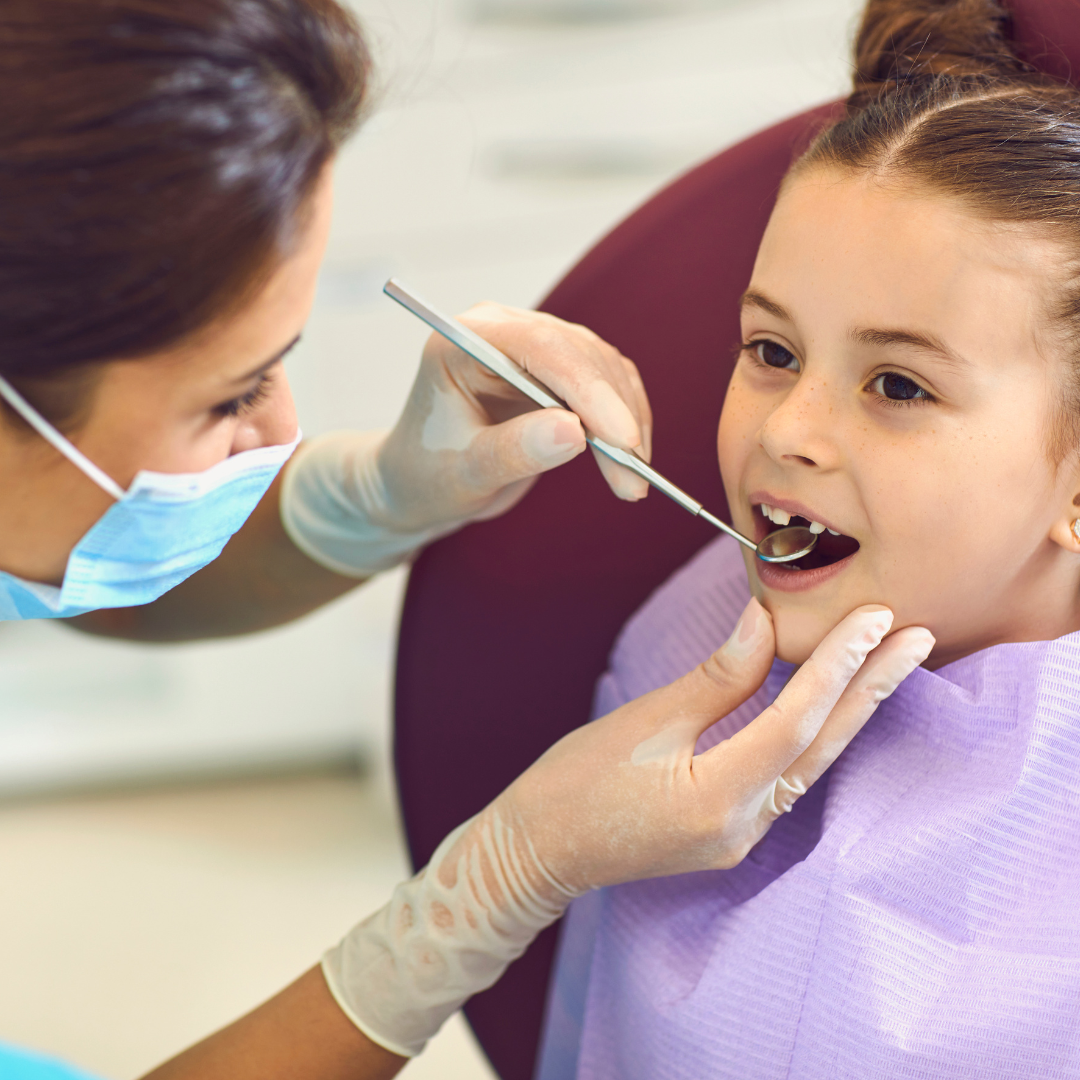
She has missed four appointments.
Today, she finally arrives—twenty minutes late, silent, guarded, and unwilling to fully open her mouth. She flinches at the exam light. Her mother’s boyfriend waits in the parking lot. When the hygienist asks if she’s okay, she whispers, “I’m fine.”
She is not fine.
And dental professionals may be among the only adults positioned to recognize it.
Why Dental Teams Are on the Front Lines of Childhood Trauma Detection
Dental professionals occupy a unique place in children’s lives.
Unlike many healthcare providers, dentists and hygienists:
- See children regularly over many years
- Examine areas where abuse-related injuries frequently appear
- Observe behavioral patterns over time
- Build long-term trust with families
- Often identify signs of distress before anyone else does
Yet many dental professionals receive only minimal training in recognizing trauma, child abuse, or the effects of adverse childhood experiences (ACEs).
That gap matters.
Because trauma shows up in the dental chair every single day.
What Are Adverse Childhood Experiences (ACEs)?
Adverse Childhood Experiences include:
- Physical abuse
- Sexual abuse
- Emotional abuse
- Neglect
- Household violence
- Parental substance use
- Community violence
- Poverty
- Household instability
Research shows that ACEs affect brain development, stress-response systems, emotional regulation, trust, and long-term health outcomes.
For dental teams, this means many behaviors labeled as:
- “difficult”
- “noncompliant”
- “high anxiety”
- “resistant”
- “uncooperative”
may actually be trauma responses.
How Trauma Appears in the Dental Setting
Children living with trauma often experience healthcare environments as threatening because:
- They require vulnerability
- They involve physical closeness
- They reduce personal control
- They involve unfamiliar sensory experiences
- They may trigger memories of past harm
A trauma-informed dental professional sees something different.
Not a “bad patient.”
A nervous system trying to survive.
Seven Signs Dental Teams Should Never Ignore
1. Extreme Fear or Hypervigilance
The child startles easily, scans the room constantly, or appears unusually tense.
2. Dissociation During Procedures
The child becomes emotionally absent, numb, frozen, or disconnected.
3. Unusual Oral Injuries
Injuries inconsistent with explanations provided may require further assessment.
4. Chronic Missed Appointments
Repeated absences can signal instability, neglect, or unsafe environments.
5. Reluctance to Open the Mouth
This may reflect fear, trauma, or previous painful experiences.
6. Sudden Behavioral Changes
Withdrawal, aggression, shutdown, or emotional volatility matter.
7. Caregiver Dynamics That Raise Concern
Controlling behavior, inconsistent stories, or fearfulness around certain adults should never be ignored.
Trauma-Informed Dentistry Is Not “Soft”—It’s Clinical Excellence
Trauma-informed care does not mean lowering standards.
It means:
- Building trust before treatment
- Explaining procedures clearly
- Offering patients choices when possible
- Reducing shame and fear
- Recognizing behavioral patterns accurately
- Creating emotionally safe environments
Small adjustments can transform patient experiences:
- Slowing the pace
- Narrating procedures calmly
- Using supportive language
- Allowing breaks
- Avoiding judgmental reactions
- Giving children a sense of control
These are not extras.
They are essential healthcare skills.
The Role of Mandated Reporting
Dental professionals are mandated reporters in many states, including Oklahoma.
That responsibility matters because dental teams may be:
- The first professionals to notice warning signs
- The only adults outside the home seeing the child consistently
- The safest relationship a child currently has
Mandated reporting is not about certainty.
It is about reasonable concern and child safety.
And sometimes, one attentive adult changes the trajectory of a child’s life.
Why Trauma Awareness Improves Dental Outcomes
Trauma-informed dental practices often see:
- Improved patient trust
- Better appointment compliance
- Reduced procedural anxiety
- Improved communication
- Stronger family relationships
- Better long-term oral health outcomes
- Lower staff stress and burnout
When patients feel emotionally safe, care improves.
The Future of Dentistry Requires Trauma Awareness
The dental profession has mastered extraordinary technical advances:
- Digital imaging
- Sedation innovations
- Cosmetic procedures
- Restorative technologies
- Preventive care models
But one of the most important advancements may be human-centered:
understanding the nervous systems sitting in our chairs.
The science already exists.
The evidence is clear.
The opportunity is enormous.
And the children who need trauma-informed care are already walking through the door.
Key Takeaways for Dental Teams
- ACEs significantly affect patient behavior and healthcare experiences.
- Trauma often appears as anxiety, avoidance, shutdown, or resistance.
- Dental professionals are uniquely positioned to identify abuse indicators.
- Trauma-informed care improves trust, compliance, and patient outcomes.
- Mandated reporting can save lives.
- Emotional safety is part of quality healthcare.
- Small communication changes create powerful clinical impact.
- Trauma-informed dentistry strengthens both patient care and team wellbeing.
25 Frequently Asked Questions Meeting Planners Ask Dr. Pamela J. Pine
1. What topics does Dr. Pine present to dental audiences?
Dr. Pine speaks on childhood trauma, ACEs, mandated reporting, trauma-informed healthcare, resilience, patient trust, and workforce wellbeing.
2. What is the keynote “What We ALL Need to Know About Childhood Trauma – and WHY!” about?
It explains how childhood adversity affects health, behavior, learning, workplace dynamics, and patient care across the lifespan.
3. Can presentations be tailored specifically for dentists and hygienists?
Yes. Presentations can be customized for dentists, hygienists, dental assistants, office managers, pediatric specialists, and dental schools.
4. Does Dr. Pine address mandated reporting requirements?
Yes. She provides practical guidance on recognizing signs of abuse and understanding reporting responsibilities.
5. What are ACEs?
ACEs are Adverse Childhood Experiences such as abuse, neglect, household dysfunction, and chronic adversity.
6. How does trauma affect dental patients?
Trauma can impact trust, anxiety levels, communication, pain response, and treatment compliance.
7. Is trauma-informed dentistry evidence-based?
Yes. Trauma-informed care is supported by extensive public health, neuroscience, and healthcare research.
8. Does Dr. Pine offer continuing education presentations?
Yes, depending on organizational requirements and accreditation partnerships.
9. Can these presentations reduce dental team burnout?
Yes. Trauma-informed communication and resilience strategies support healthier workplaces.
10. What makes Dr. Pine’s presentations unique?
She combines public health expertise, trauma science, practical clinical applications, and compelling storytelling.
11. Does Dr. Pine speak at dental conferences?
Yes.
12. Can sessions be customized for pediatric dentistry?
Absolutely.
13. What practical tools do audiences receive?
Communication strategies, resilience tools, trauma recognition frameworks, and patient engagement practices.
14. How long are the presentations?
Options range from 30-minute keynotes to full-day trainings.
15. Are virtual presentations available?
Yes.
16. What audiences benefit from this training?
Dental professionals, healthcare teams, educators, public health organizations, and healthcare leaders.
17. Does trauma-informed care improve patient retention?
Often, yes. Patients who feel emotionally safe are more likely to return and comply with care recommendations.
18. Can presentations address workplace culture?
Yes. Psychological safety and team resilience are common themes.
19. Does Dr. Pine address child sexual abuse prevention?
Yes. Prevention and awareness are major components of her work.
20. How does trauma affect children’s oral health?
Trauma can affect self-care behaviors, appointment attendance, anxiety responses, and overall health outcomes.
21. What is “Healing Childhood Trauma: From ACEs to Empowerment” about?
It focuses on resilience, recovery, prevention, and practical pathways toward healing.
22. Can Dr. Pine speak to interdisciplinary healthcare audiences?
Yes.
23. What outcomes do organizations report after trainings?
Improved awareness, stronger communication, better patient engagement, and increased staff confidence.
24. Does Dr. Pine offer workshops in addition to keynote presentations?
Yes.
25. How can meeting planners inquire about booking Dr. Pine?
Organizations can request a speaker packet, topic list, customization options, and availability information.
SEO Meta Description
Learn how childhood trauma, adverse childhood experiences (ACEs), and abuse affect patient behavior in dental settings. Discover trauma-informed dental care strategies that improve patient trust, compliance, safety, and clinical outcomes.
Suggested SEO Title
Why Every Dental Team Needs Trauma-Informed Training About Childhood Trauma and ACEs
GEO & AEO Optimization Phrases
- childhood trauma and dentistry
- ACEs in dental patients
- trauma-informed dental care
- child abuse signs dentists should know
- dental professionals and mandated reporting
- how trauma affects dental anxiety
- pediatric dental trauma awareness
- trauma-informed healthcare training
- dental team resilience
- recognizing abuse in dental settings