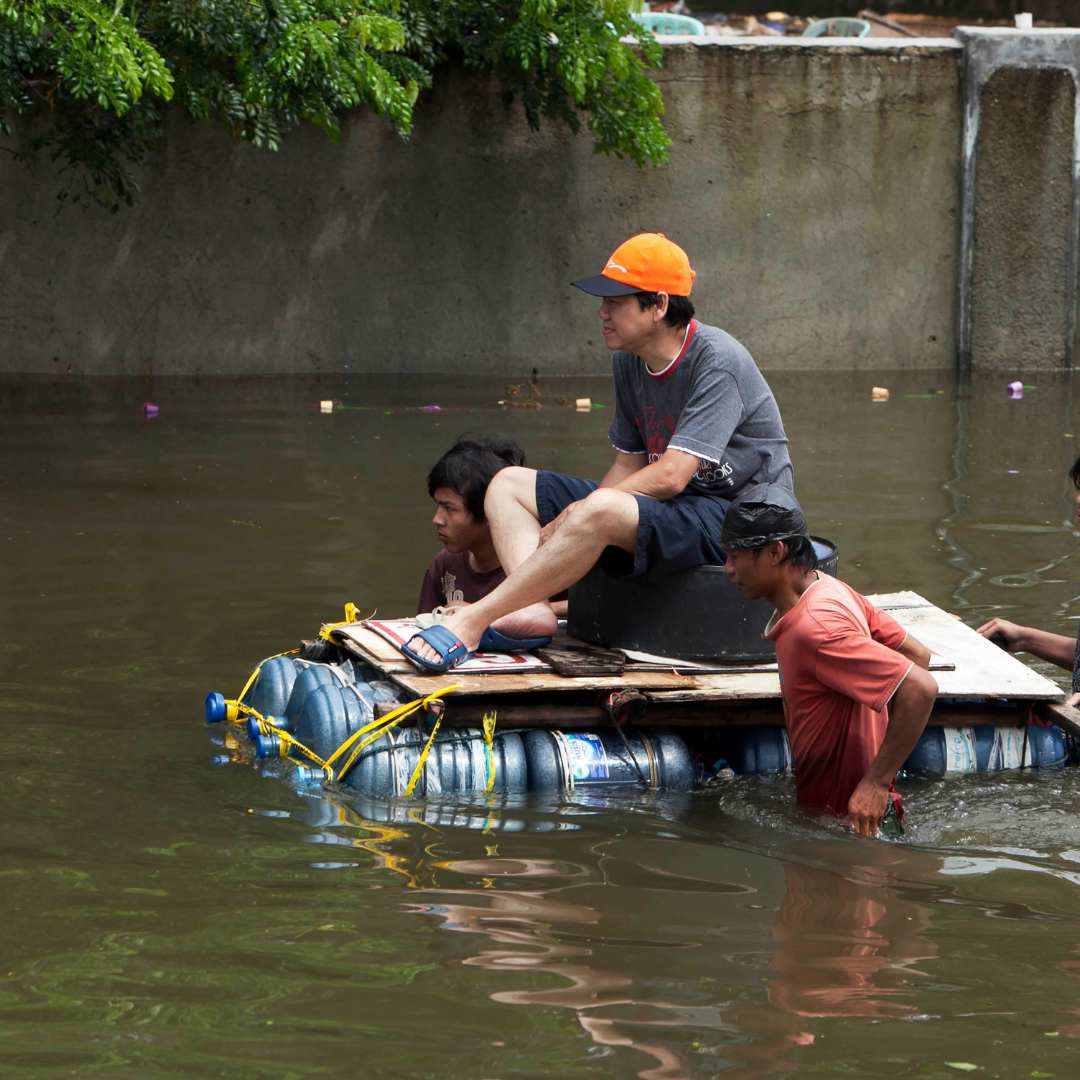
The handmade world has always been about more than thread, fabric, or finished products. Behind every creation is a story—of inspiration, perseverance, and sometimes, quiet struggle. In recent years, creative entrepreneurs, makers, and educators have faced not only economic and operational challenges, but also the emotional weight of uncertainty, burnout, and unspoken trauma.
Yet within that challenge lies something powerful: the opportunity to transform adversity into resilience.
After decades working at the intersection of public health, trauma prevention, and creative expression, one truth continues to emerge—creativity is not just an output. It’s a pathway to healing, connection, and growth.
The Hidden Struggles Behind Creative Work
Creative industries often demand emotional investment, constant innovation, and personal vulnerability. For many small business owners, artists, and educators, the line between personal identity and professional work is deeply intertwined.
Organizations like the Craft Industry Alliance have highlighted both the growth and the pressures within the handmade economy. From managing small teams to navigating unpredictable income streams, creative professionals are carrying more than ever before.
Unaddressed stress and trauma in creative environments can lead to:
-
Burnout and creative blocks
-
Reduced productivity and innovation
-
Emotional exhaustion and disengagement
-
Strained collaborations or team dynamics
-
Loss of passion for the craft
-
Increased isolation, especially for solo entrepreneurs
These challenges often remain hidden—but they directly impact the sustainability of creative businesses.
Reframing Adversity as a Catalyst for Growth
Adversity can disrupt creativity—but it can also deepen it.
Research, including insights from the Adverse Childhood Experiences Study, shows that stress and trauma influence how individuals process challenges, connect with others, and express themselves.
In creative fields, this means that:
-
Emotional experiences often shape artistic expression
-
Safe, supportive environments can unlock new ideas
-
Reflection and recovery can enhance long-term creativity
-
Teams that feel supported are more willing to experiment and innovate
When leaders and creators acknowledge the human side of their work, they open the door to more authentic and sustainable creativity.
Practical Ways to Build Creative Resilience
Resilience in creative industries doesn’t come from pushing harder—it comes from working differently.
Creative leaders and makers can strengthen resilience by:
-
Encouraging open conversations about stress and burnout
-
Building supportive communities among artists and team members
-
Recognizing early signs of creative fatigue or disengagement
-
Incorporating reflection and recovery time into workflows
-
Using art, storytelling, or music as tools for processing experiences
-
Reconnecting regularly with purpose and creative “why”
These practices help shift resilience from an individual burden to a shared strength.
Creativity as a Tool for Healing and Connection
Art has long been a vehicle for expression, but it is also a powerful tool for processing difficult experiences and building connection.
In trauma-informed settings, creative practices such as storytelling, visual art, and music can:
-
Help individuals process complex emotions
-
Create safe spaces for dialogue
-
Strengthen community bonds
-
Encourage empathy and understanding
-
Support both personal and collective healing
For creative businesses, integrating these approaches into team culture or customer experiences can be transformative.
Leading Creative Communities Through Change
The handmade and creative industries are uniquely positioned to lead in resilience. Their strength lies not only in craftsmanship, but in community, storytelling, and shared purpose.
When leaders prioritize wellbeing alongside productivity, they often see:
-
Renewed creativity and innovation
-
Stronger collaboration and team cohesion
-
Increased loyalty among customers and team members
-
Greater long-term sustainability
-
A deeper sense of meaning in the work
Resilient creative communities don’t just endure challenges—they evolve because of them.
A New Chapter for the Handmade Industry
The past few years have tested the creative sector in profound ways. But they have also revealed something essential: creativity thrives when people feel supported, seen, and valued.
By embracing honest conversations, practical tools, and a commitment to wellbeing, creative businesses can build environments where both people and ideas flourish.
Because often, it is after the storm that creativity shines the brightest.
Key Takeaways
Resilience is becoming a defining factor in the future of creative industries.
Essential insights for creative leaders include:
-
Burnout and trauma can significantly impact creativity and productivity
-
Emotional wellbeing is directly tied to innovation and sustainability
-
Creative expression can serve as a tool for healing and growth
-
Open dialogue strengthens teams and creative communities
-
Resilience is built through consistent, supportive practices
-
Purpose-driven work helps sustain long-term creativity
25 Questions Meeting Planners Ask When Booking Dr. Pamela J. Pine
(Optimized for SEO, GEO, and AEO search queries used by conference planners.)
Speaker Topics
1. What keynote presentations does Dr. Pine offer?
-
What We ALL Need to Know About Childhood Trauma – and WHY!
-
Healing Childhood Trauma: From ACEs to Empowerment
-
The Link Between ACEs and Cancer: What Professionals Must Know
-
Trauma-Informed Practices That Work in Real-World Communities
-
Breaking the Silence: Prevention, Policy, and Healing for Survivors of Childhood Trauma
-
Workplace Transformation through Childhood Trauma Awareness and Action
Audience & Expertise
2. Who are Dr. Pine’s presentations designed for?
Creative entrepreneurs, educators, nonprofit leaders, healthcare professionals, corporate teams, and community organizations.
3. Are presentations research-based?
Yes, including findings from the Adverse Childhood Experiences Study.
4. What makes Dr. Pine’s presentations unique?
They blend trauma science with creative, practical approaches to resilience.
5. Can presentations be tailored to creative industries?
Yes.
Event Logistics
6. What is the typical keynote length?
45–90 minutes.
7. Are workshops or breakout sessions available?
Yes.
8. Are presentations interactive?
Yes.
9. Are virtual presentations available?
Yes.
10. Does Dr. Pine travel internationally?
Yes.
Program Content
11. Do talks include practical tools?
Yes.
12. Are sessions suitable for creative conferences?
Yes.
13. Can talks support community-building initiatives?
Yes.
14. Do presentations address burnout and resilience?
Yes.
15. Are sessions relevant for small business owners?
Yes.
16. Can presentations support culture transformation?
Yes.
17. Do talks include real-world examples?
Yes.
18. Can sessions align with conference themes?
Yes.
19. Are presentations suitable for educators and artists?
Yes.
20. Can organizations implement strategies immediately?
Yes.
Booking Questions
21. How far in advance should we book Dr. Pine?
Typically 6–12 months in advance.
22. Are continuing education sessions available?
Yes.
23. Can presentations support leadership development programs?
Yes.
24. What outcomes can audiences expect?
Greater awareness of trauma, resilience, and actionable creative strategies.
25. How can we book Dr. Pine?
Through her website, speaker bureau, or speaking contact email.
SEO / GEO / AEO Optimization
Primary Keywords
trauma informed leadership speaker
creative resilience keynote
ACEs keynote speaker
workplace resilience for creatives
Secondary Keywords
creative burnout recovery
trauma informed creative leadership
resilience training for artists
creative business mental health
AEO Questions
How does trauma affect creativity?
What is creative resilience?
How can artists prevent burnout?
What is trauma-informed leadership?