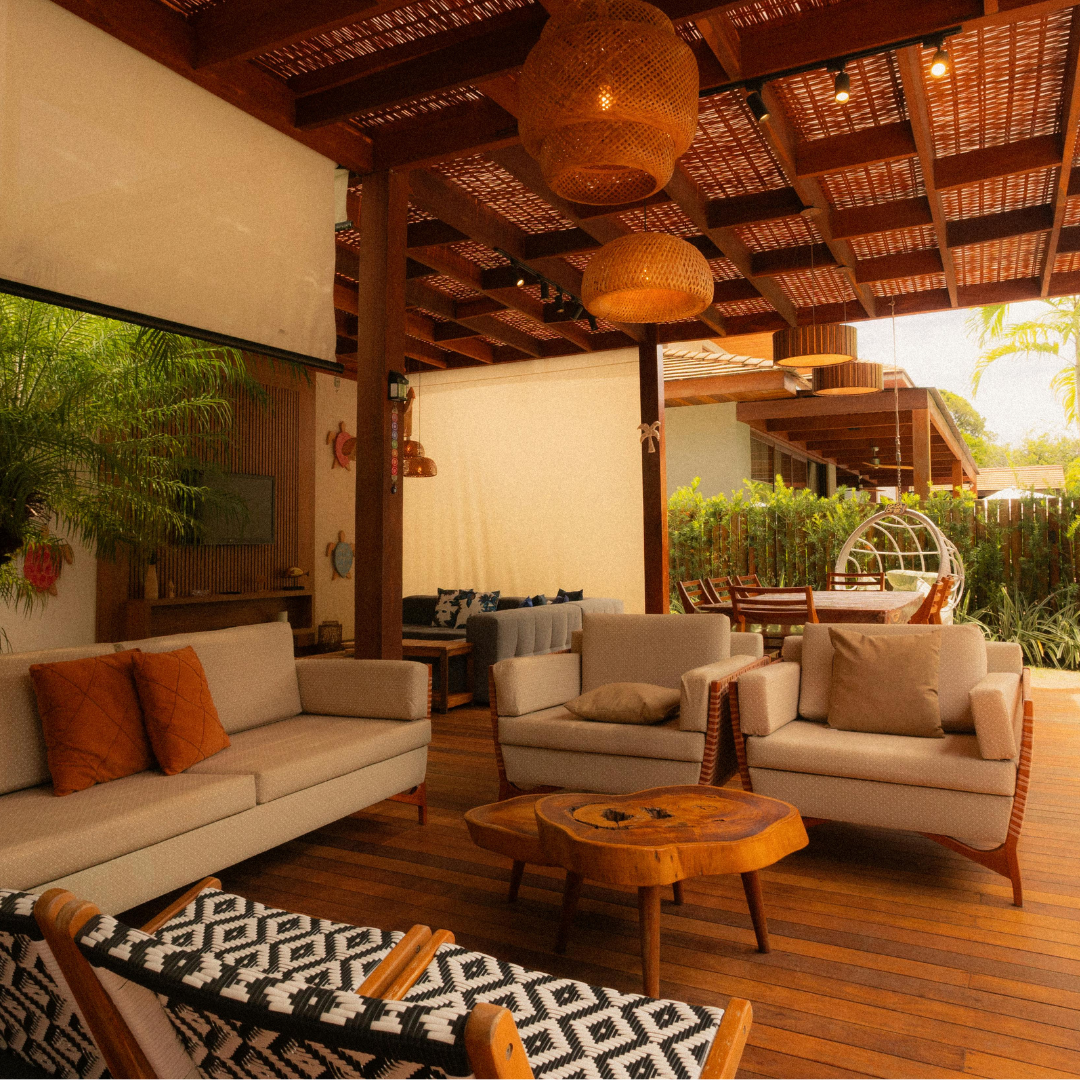
When people walk into a thoughtfully designed space, they often describe the feeling before they describe the furniture. They say it feels calm. Safe. Welcoming. Energizing. What many don’t realize is that these emotional reactions are not accidental—they are deeply connected to how environments influence the brain, body, and nervous system.
For interior designers, architects, and workplace leaders, this creates a remarkable opportunity: designing spaces that do more than look beautiful. Spaces can help people heal.
Why Trauma-Informed Design Matters
Trauma is more common than many people realize. Adverse childhood experiences (ACEs), chronic stress, violence, grief, instability, and systemic inequities leave lasting impacts that shape how individuals experience the world—including the spaces they occupy.
The environments around us can either increase stress or promote regulation and resilience.
That means design is never neutral.
From healthcare facilities and schools to workplaces, hotels, libraries, and homes, the built environment can influence:
- Emotional safety
- Focus and concentration
- Stress levels
- Communication and collaboration
- Sense of belonging
- Overall well-being
Trauma-informed design recognizes that people bring lived experiences into every room they enter.
What Is Trauma-Informed Design?
Trauma-informed design is an approach that prioritizes emotional and psychological safety alongside functionality and aesthetics.
At its core, it asks a simple but powerful question:
How will this space make someone feel?
Rather than focusing only on appearance, trauma-informed spaces are intentionally designed to reduce anxiety, increase comfort, and support human connection.
Key Principles of Trauma-Informed Spaces
1. Psychological Safety
People feel calmer when spaces are predictable, welcoming, and easy to navigate.
Design strategies may include:
- Clear sightlines
- Easy wayfinding
- Comfortable transitions between spaces
- Reduced visual clutter
- Accessible layouts
2. Natural Light and Sensory Balance
Lighting, sound, texture, and color all affect nervous system regulation.
Trauma-informed environments often incorporate:
- Natural daylight
- Soft, calming color palettes
- Acoustic considerations to reduce overwhelm
- Comfortable textures and furnishings
- Flexible lighting options
3. Choice and Control
Trauma often involves a loss of control. Spaces that offer flexibility help restore autonomy.
Examples include:
- Adjustable seating arrangements
- Quiet reflection spaces
- Flexible workstations
- Areas for both privacy and collaboration
4. Connection and Community
Design can encourage meaningful interaction without forcing it.
Community-centered spaces may feature:
- Shared gathering areas
- Inclusive seating arrangements
- Warm, welcoming entry points
- Spaces that encourage collaboration and conversation
Trauma-Informed Leadership in Design
The principles of trauma-awareness extend beyond physical environments—they also shape workplace culture and leadership.
Trauma-aware leaders:
- Encourage open dialogue about stress and well-being
- Model emotional intelligence
- Create psychologically safe teams
- Support collaboration and empathy
- Recognize signs of burnout and overwhelm
- Build cultures rooted in trust and respect
When design firms and organizations prioritize these values, they don’t just improve morale—they strengthen creativity, retention, and innovation.
The Business Case for Healing Spaces
Trauma-informed design is not simply a wellness trend. It is increasingly recognized as a strategic investment.
Organizations that create supportive environments often experience:
- Higher employee engagement
- Improved productivity
- Better client experiences
- Lower turnover
- Stronger collaboration
- Increased innovation and loyalty
People perform better when they feel safe, seen, and supported.
The Future of Design Is Human-Centered
Interior design has always been about shaping experiences. Today, the opportunity is even greater: shaping environments that actively support healing, resilience, and human flourishing.
Whether designing hospitals, offices, schools, hospitality spaces, or homes, professionals have the power to create spaces that communicate:
- You belong here.
- You are safe here.
- You can thrive here.
That is the true power of trauma-informed design.
Because great design is not only about aesthetics.
It is about creating spaces—and cultures—that help people heal, connect, and live fully.
SEO Keywords
- trauma-informed design
- healing spaces
- trauma-informed leadership
- interior design and mental health
- psychological safety in design
- ACEs and environmental design
- wellness-centered workplaces
- human-centered design
- resilient workplace culture
- trauma-aware architecture
Suggested Meta Title
Designing for Healing: Why Trauma-Informed Spaces Matter More Than Ever
Suggested Meta Description
Discover how trauma-informed interior design and leadership create healing spaces that improve well-being, resilience, productivity, and human connection.