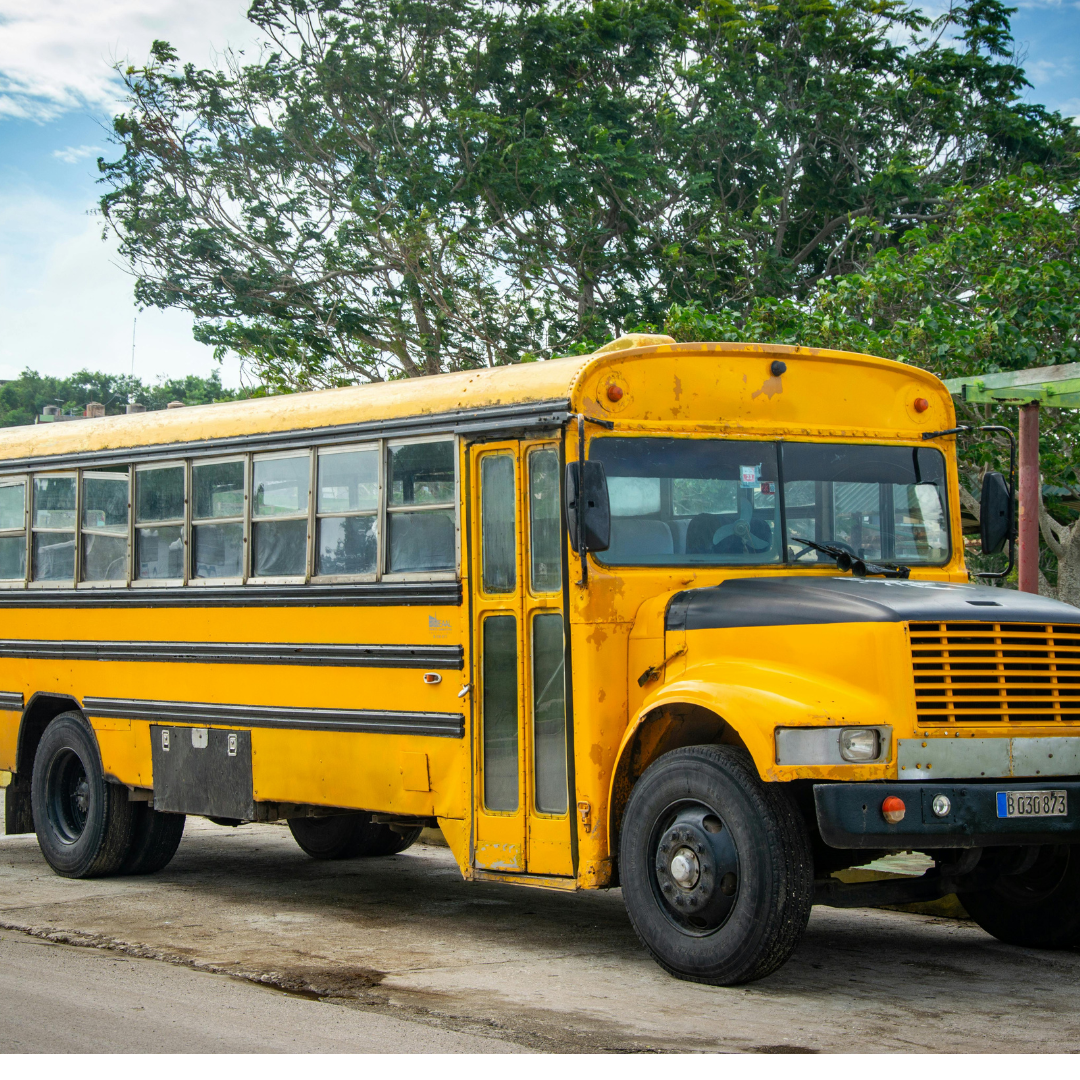
School buses are often seen as a logistical necessity—routes, timing, safety protocols.
But in reality, they are something much more powerful:
The first and last touchpoint in a student’s day.
And for many children, the bus is where emotional needs show up first.
The Overlooked Front Line in Education
Drivers and aides don’t just transport students.
They:
- Notice behavioral changes
- De-escalate conflict
- Build trust with students
- Provide consistency in unpredictable lives
Yet too often, they’re expected to do this without the tools or support they need.
When Trauma Rides the Bus
Students don’t leave their experiences at home.
Stress and trauma show up as:
- Withdrawal or silence
- Aggression or defiance
- Anxiety and unpredictability
- Difficulty following directions
Without awareness, these behaviors can be misinterpreted—and escalate quickly.
The Pressure on Transportation Staff
Drivers and aides carry a unique burden:
- Managing safety under time constraints
- Navigating student behavior
- Acting as informal support systems
- Handling their own stress and fatigue
It’s high-stakes work, often with minimal recognition.
Why Trauma-Informed Practice Matters
Trauma-informed transportation isn’t about adding more responsibility.
It’s about equipping staff with the right lens and tools.
It shifts thinking from:
“This student is difficult”
to
“This student may be struggling—what do they need right now?”
What Effective Transportation Teams Do Differently
The strongest transportation teams build resilience into daily routines:
- Pre-route staff check-ins to align and support drivers
- Training on trauma signs and student behavior patterns
- De-escalation techniques for in-the-moment challenges
- Clear communication between transportation and school staff
- Post-incident debriefs to learn and improve
- Peer support systems for drivers and aides
- Leadership that prioritizes staff well-being
These practices are simple—but transformative.
Safety Starts with Emotional Awareness
When staff understand trauma:
- Conflicts decrease
- Escalations are prevented
- Students feel safer
- Routes run more smoothly
Emotional safety supports physical safety.
The Ripple Effect Across the School Day
What happens on the bus doesn’t stay on the bus.
When students feel:
- Safe
- Seen
- Respected
They arrive at school:
- More regulated
- Ready to learn
- Better able to engage
Transportation becomes a critical part of student success.
Supporting the People Who Support Students
When drivers and aides feel:
- Valued
- Trained
- Supported
They:
- Stay longer
- Perform better
- Build stronger relationships with students
Retention improves—and so does consistency for students.
From Operations to Impact
Student transportation is often viewed as operational.
But in reality, it’s deeply relational.
With the right approach, it becomes:
- A stabilizing force for students
- A support system for schools
- A driver of safety and success
Final Thought
Trauma-informed practice isn’t an extra layer for transportation teams.
It’s the foundation.
Because when we support the adults on the bus,
they create safer, calmer, and more connected rides for every student.
And that changes everything—from the bus stop to the board room.
Meeting Planner FAQ (25 Q&A for Booking Dr. Pamela J. Pine)
1. What is the focus of this keynote?
Trauma-informed practices and resilience in student transportation.
2. Who should attend?
Transportation directors, school administrators, drivers, aides, and district leaders.
3. Why is this topic important?
Student behavior, safety, and staff retention are major challenges in transportation.
4. What makes this session unique?
It connects transportation practices directly to student outcomes and safety.
5. What will attendees learn?
- How to recognize trauma in students
- De-escalation strategies
- Staff resilience techniques
- Practical leadership tools
6. Is this session practical?
Yes—highly actionable and easy to implement.
7. Can it be customized?
Yes—for districts, transportation departments, or conferences.
8. What formats are available?
Keynotes, workshops, and training sessions.
9. How long is the session?
45–90 minutes.
10. Is it interactive?
Yes—can include real-world scenarios and discussion.
11. Are tools provided?
Yes—practical strategies and frameworks.
12. Does it address student behavior?
Yes—core focus.
13. Does it support drivers directly?
Yes—designed with frontline staff in mind.
14. Can administrators benefit?
Absolutely—critical for leadership and policy alignment.
15. Does it improve safety?
Yes—reduces escalation and incidents.
16. Can it align with conference themes?
Yes—education, safety, leadership, student success.
17. Is it suitable globally?
Yes—adaptable across school systems.
18. Does it help with staff retention?
Yes—supportive environments improve retention.
19. Are virtual sessions available?
Yes—virtual and hybrid options.
20. What outcomes can we expect?
Improved safety, better staff morale, stronger student relationships.
21. Can it support culture change?
Yes—ideal for district-wide initiatives.
22. What sectors benefit?
K-12 education, transportation departments, school systems.
23. Are follow-up resources included?
Yes—tools for ongoing implementation.
24. How far in advance should we book?
3–6 months recommended.
25. How do we book Dr. Pine?
Contact to align on your audience and event goals.