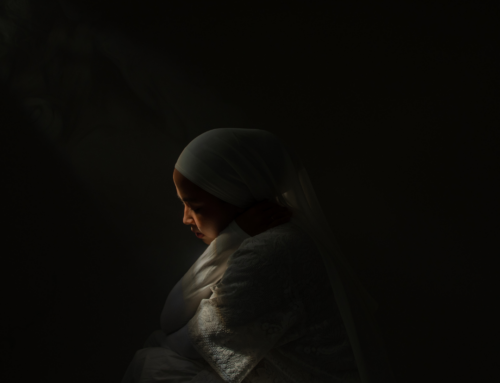
When people think about libraries, they often think about books, literacy, technology access, and lifelong learning. But libraries may also be among the most powerful—and underrecognized—community resources for helping children and families heal from trauma.
Research on Adverse Childhood Experiences (ACEs) has shown that childhood trauma can have lasting effects on brain development, emotional regulation, physical health, educational achievement, and social relationships. Children exposed to abuse, neglect, household dysfunction, violence, or chronic stress often carry those experiences with them long after childhood ends.
Yet healing is possible.
One of the strongest protective factors identified by researchers is connection. Safe, supportive environments help children develop resilience and build hope for the future. Libraries provide exactly that.
Why Libraries Matter in Trauma Prevention and Healing
Libraries are uniquely positioned to support children, families, and communities affected by childhood adversity because they offer:
- Safe, welcoming spaces for all community members
- Access to stories that help children feel seen and understood
- Opportunities for literacy, learning, and self-expression
- Positive relationships with caring adults
- Inclusive resources reflecting diverse experiences
- Free access regardless of income or background
- Community programs that reduce isolation and increase belonging
- Educational opportunities that support lifelong resilience
The Power of Stories in Healing Trauma
Children who experience trauma often struggle to put their experiences into words. Books can help bridge that gap.
When children read about characters facing challenges similar to their own, they learn:
- They are not alone.
- Their experiences matter.
- Healing is possible.
- Other people have survived similar hardships.
- Asking for help is acceptable.
Stories can reduce shame, build empathy, and strengthen emotional understanding.
Trauma-Informed Libraries Are Community Health Assets
Trauma-informed librarians and library staff play a critical role in community well-being. By understanding the effects of childhood trauma, libraries can better support:
- Children experiencing adversity
- Families facing crisis
- Survivors of abuse and neglect
- Youth experiencing bullying or social isolation
- Individuals seeking mental health resources
- Communities working to build resilience
Libraries are more than educational institutions—they are public health partners.
Building Stronger Communities Through Libraries
Communities that invest in libraries are also investing in:
- Childhood resilience
- Mental health promotion
- Educational success
- Social connection
- Violence prevention
- Family support
- Community engagement
The benefits extend far beyond bookshelves.
Key Takeaway
The science of ACEs teaches us that trauma changes lives. The science of resilience teaches us that supportive relationships and safe environments can help change them again.
Libraries provide both.
Every child deserves access to stories that foster hope, understanding, and belonging. Every community deserves institutions that support healing.
Libraries are doing that work every day.
The shelf that saves may look like a collection of books. In reality, it may be one of the most powerful tools we have for preventing trauma, building resilience, and helping children thrive.
25 Frequently Asked Questions Meeting Planners Ask Before Booking Dr. Pamela J. Pine
1. Who is Dr. Pamela J. Pine?
Dr. Pine is an international public health expert, professor, bestselling author, founder of Stop the Silence®, and a leading speaker on childhood trauma, ACEs, prevention, resilience, and workforce transformation.
2. What are Dr. Pine’s most requested speaking topics?
Her most requested presentations include:
- What We ALL Need to Know About Childhood Trauma—and WHY!
- Healing Childhood Trauma: From ACEs to Empowerment
- The Link Between ACEs and Cancer
- Trauma-Informed Practices That Work in Real-World Communities
- Breaking the Silence
- Workplace Transformation Through Childhood Trauma Awareness and Action
3. Who benefits most from these presentations?
Healthcare professionals, educators, government leaders, nonprofits, employers, social workers, mental health professionals, public health practitioners, HR leaders, and community organizations.
4. Are presentations evidence-based?
Yes. All presentations are grounded in current research and decades of experience in public health, trauma prevention, and community engagement.
5. Can presentations be customized?
Absolutely. Every keynote, workshop, and training can be tailored to the audience’s needs and industry.
6. What audience sizes can Dr. Pine address?
From small executive groups to conferences with thousands of attendees.
7. Are virtual presentations available?
Yes. Dr. Pine offers virtual, hybrid, and in-person presentations worldwide.
8. What makes Dr. Pine’s presentations unique?
She combines research, storytelling, practical solutions, and actionable strategies audiences can immediately apply.
9. Does Dr. Pine provide workshops in addition to keynotes?
Yes. Workshops, breakout sessions, leadership trainings, and multi-session programs are available.
10. How long are the presentations?
Formats range from 30-minute keynotes to full-day training programs.
11. What is the ACE Study?
The Adverse Childhood Experiences (ACEs) Study is landmark research linking childhood adversity to long-term health and social outcomes.
12. Why should organizations care about ACEs?
ACEs affect employee wellness, retention, leadership, productivity, health costs, engagement, and organizational performance.
13. Can trauma-informed practices improve workplace culture?
Yes. Research shows they can improve communication, retention, resilience, and organizational effectiveness.
14. Does Dr. Pine discuss prevention as well as healing?
Yes. Prevention is a major focus of her work.
15. Are presentations appropriate for non-clinical audiences?
Yes. Content is designed to be accessible and practical for all audiences.
16. Can Dr. Pine address leadership audiences?
Yes. Executive leadership and organizational transformation are frequent themes.
17. Does she provide actionable takeaways?
Yes. Attendees leave with practical tools and implementation strategies.
18. What industries has Dr. Pine spoken to?
Healthcare, education, government, nonprofits, business, public safety, agriculture, housing, transportation, workforce development, and more.
19. Can presentations support DEI and belonging initiatives?
Yes. Childhood adversity and trauma awareness provide important context for equity, inclusion, and belonging efforts.
20. Does Dr. Pine address resilience?
Yes. Building resilience at individual, organizational, and community levels is central to her work.
21. What outcomes can organizations expect?
Increased awareness, improved engagement, stronger leadership capacity, enhanced workforce resilience, and actionable next steps.
22. Can sessions include audience interaction?
Yes. Presentations can include Q&A, polling, discussion, and facilitated dialogue.
23. Is continuing education credit available?
Depending on the organization and accreditation requirements, sessions may be structured to support CE opportunities.
24. How far in advance should organizations book?
As early as possible, particularly for conferences and annual meetings.
25. How can meeting planners inquire about availability?
Meeting planners can contact Dr. Pine through Stop the Silence® or her professional speaking channels to discuss dates, audience needs, and program customization.