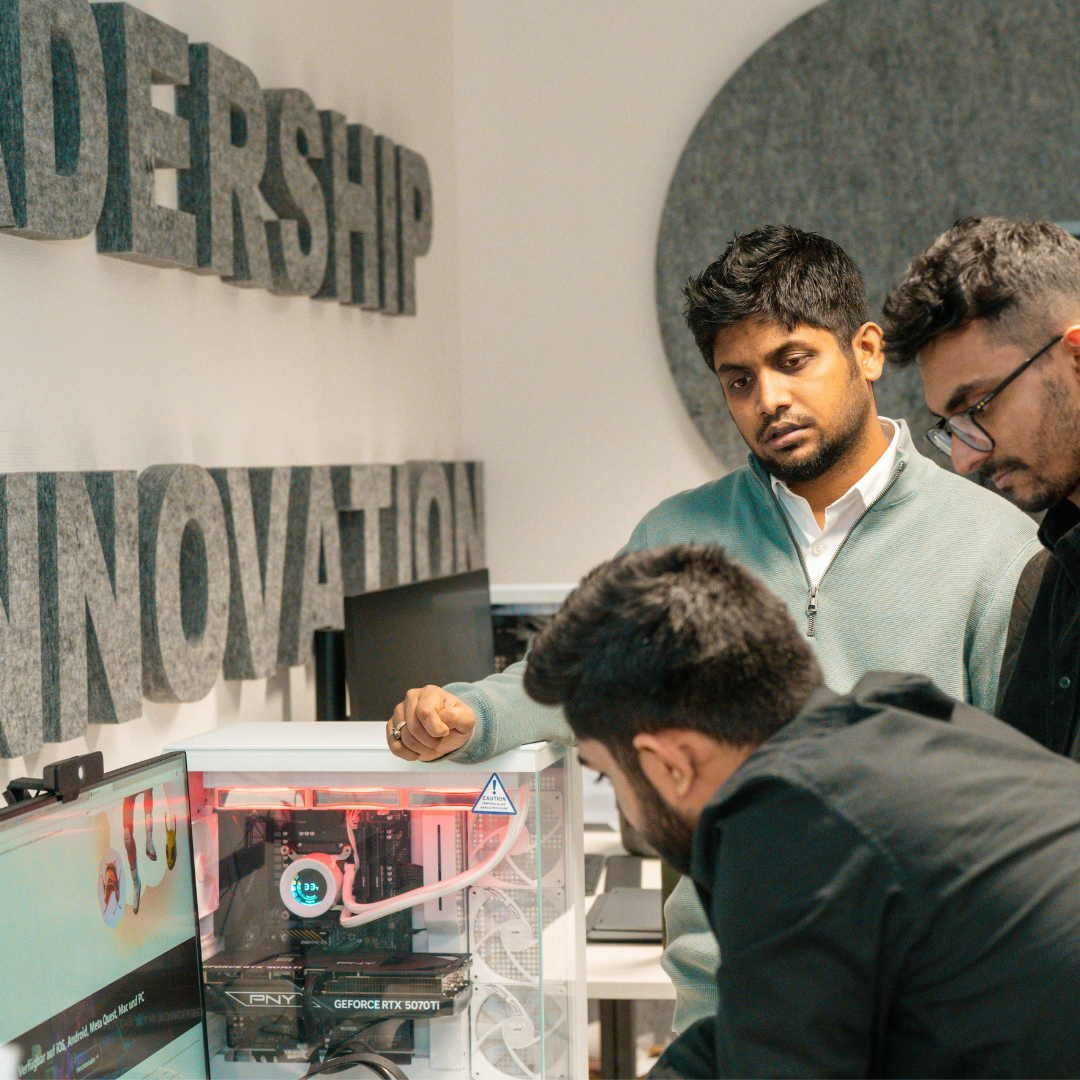
In today’s tech landscape, speed is everything. Faster releases. Smarter automation. Constant adaptation as AI reshapes how we build and scale.
But there’s a growing risk hiding in plain sight:
In the race to innovate, we’re exhausting the very people responsible for it.
The Human Cost of Rapid Innovation
Software teams are under unprecedented pressure:
- Shorter development cycles
- Continuous deployment expectations
- Constant upskilling demands
- High-stakes problem solving
- Always-on communication
While these demands drive progress, they also create an environment where burnout, stress, and disengagement can quietly take hold.
And when they do, the impact is not just personal—it’s organizational.
Why Well-Being Is a Business Strategy
Decades of research, including insights from the Adverse Childhood Experiences Study, show that stress and adversity affect how people think, collaborate, and perform.
In high-pressure tech environments, this can lead to:
- Slower problem-solving
- Reduced creativity and innovation
- Communication breakdowns
- Increased errors and missed risks
- Higher turnover and talent loss
Burnout doesn’t just hurt people—it slows innovation.
The Missing Ingredient: Psychological Safety
The most successful tech organizations understand that innovation isn’t just technical—it’s human.
They invest in:
- Psychological safety – Teams feel safe speaking up, sharing ideas, and raising concerns
- Trauma-informed leadership – Leaders recognize how stress impacts performance
- Open communication – Honest conversations about pressure and challenges
- Support systems – Resources for mental health and resilience
Organizations like Google have famously demonstrated through internal research that psychological safety is a key driver of high-performing teams.
Practical Ways Tech Leaders Can Build Resilient Teams
You don’t need to slow innovation to support your team—you need to lead differently.
Start with these actionable strategies:
- Check in regularly – Ask how your team is really doing, not just what they’re delivering
- Normalize asking for help – Reduce stigma around stress and workload challenges
- Reframe mistakes – Treat them as learning opportunities, not failures
- Set realistic expectations – Sustainable pace beats short-term sprints
- Model vulnerability – Leaders who are open create teams that are honest
- Recognize early warning signs – Fatigue, withdrawal, or disengagement
- Build recovery into workflows – Rest is part of productivity, not separate from it
The Payoff: Innovation That Actually Lasts
When tech leaders prioritize well-being, the results are clear:
- Higher retention of top talent
- Greater creativity and innovation
- Faster, more effective problem-solving
- Stronger collaboration across teams
- More resilient organizations during disruption
Healthy teams don’t just keep up—they lead.
A New Leadership Imperative
AI and automation are transforming the future of work. But no matter how advanced our tools become, one truth remains:
👉 Innovation is powered by people.
Leaders who understand this—and act on it—will not only keep pace with change, they will define it.
Final Thought
In a world obsessed with what’s next, don’t overlook what’s now.
Your team’s well-being is not a distraction from innovation—it is the foundation of it.
25 FAQs for Meeting Planners Booking Dr. Pamela J. Pine
Speaking Topics & Expertise
1. What topics does Dr. Pine speak on?
- What We ALL Need to Know About Childhood Trauma – and WHY!
- Healing Childhood Trauma: From ACEs to Empowerment
- The Link Between ACEs and Cancer: What Professionals Must Know
- Trauma-Informed Practices That Work in Real-World Communities
- Breaking the Silence: Prevention, Policy, and Healing for Survivors of Childhood Trauma
- Workplace Transformation through Childhood Trauma Awareness and Action
2. Are these topics relevant to tech and innovation leaders?
Yes—especially for burnout prevention, leadership, and team performance.
3. Is the content research-based?
Yes, including the Adverse Childhood Experiences Study and workplace studies on psychological safety.
4. Can sessions be tailored to tech audiences?
Absolutely.
5. Do presentations address AI and workforce impact?
Yes.
Audience Experience & Outcomes
6. What will attendees gain?
Tools to build resilient, high-performing teams.
7. Are sessions interactive?
Yes.
8. How are sensitive topics handled?
With professionalism and care.
9. What makes these sessions unique?
They connect human well-being directly to innovation outcomes.
10. What results can organizations expect?
Improved retention, creativity, and team performance.
Logistics & Delivery
11. What formats are available?
Keynotes, workshops, panels, leadership sessions.
12. Are virtual sessions available?
Yes.
13. Typical session length?
30–90 minutes.
14. Technical requirements?
Standard AV or virtual platform.
15. Booking timeline?
2–6 months recommended.
Customization & Collaboration
16. Can content align with our company goals?
Yes.
17. Is pre-event consultation included?
Yes.
18. Can real tech scenarios be included?
Yes.
19. Are follow-up materials provided?
Yes.
20. Can multiple sessions be delivered?
Yes.
Value & Differentiation
21. Why is trauma-informed leadership important in tech?
Because stress and burnout directly impact innovation and performance.
22. How does this improve ROI?
Through better retention, productivity, and innovation outcomes.
23. Is this approach scalable?
Yes.
24. What sets Dr. Pine apart?
A unique blend of public health expertise and organizational strategy.
25. How do we book?
Reach out with event details for a customized proposal.
SEO, GEO & AEO Optimization
SEO Keywords
- tech leadership burnout prevention
- psychological safety in tech teams
- trauma informed leadership technology
- software team resilience strategies
- employee wellbeing tech industry
- innovation and team performance
GEO Optimization
- Relevant to global tech companies, startups, and enterprise organizations
- Ideal for conferences, leadership summits, and innovation forums
AEO Optimization
- Structured FAQ for featured snippets
- Clear, concise answers for AI and voice search
- Optimized for high-intent speaker booking queries