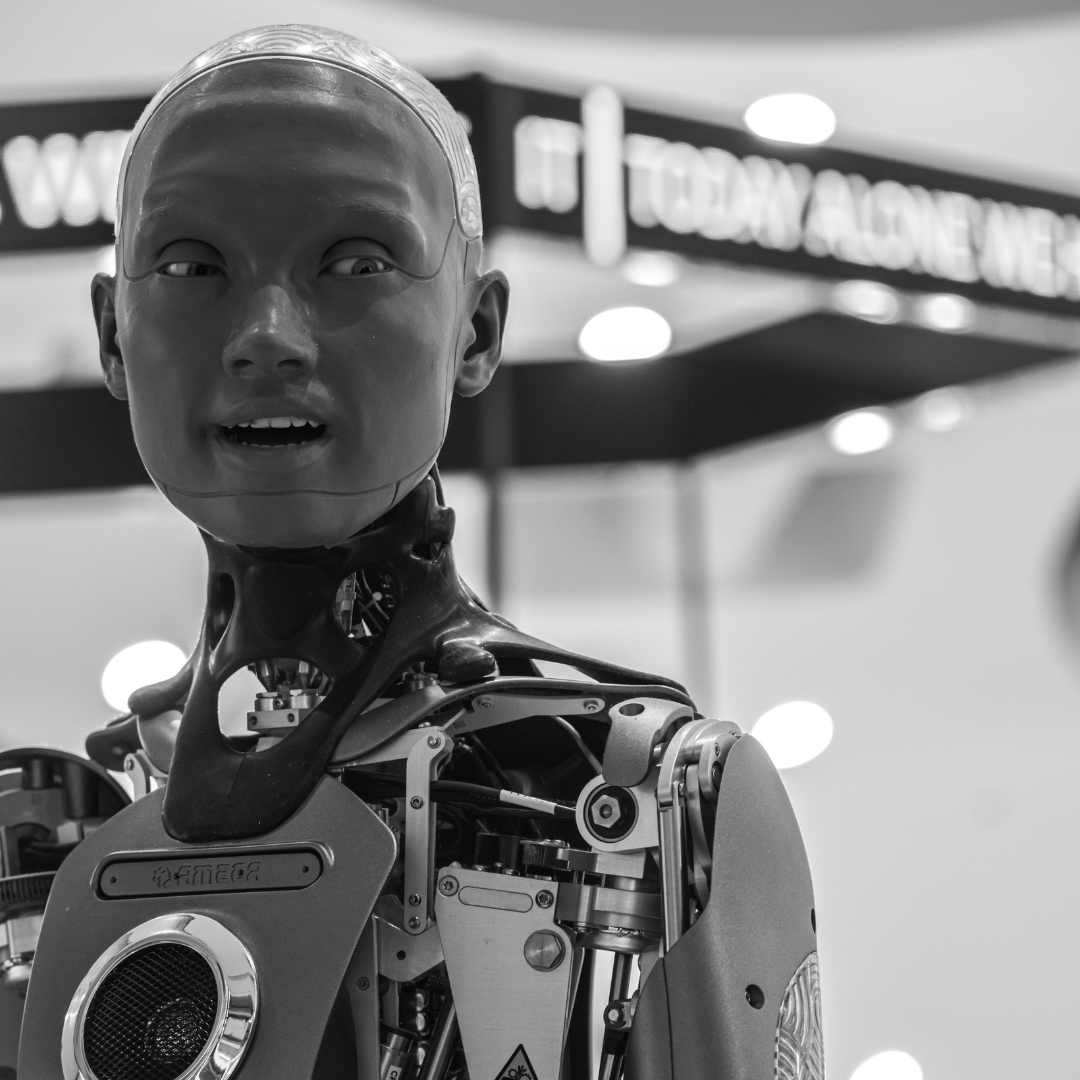
In today’s multifamily housing landscape, technology is transforming everything—from AI-powered leasing to predictive analytics. Yet, as innovation accelerates, a critical question emerges:
Are we losing the human connection that drives true retention?
While automation improves efficiency, it cannot replace what residents and staff value most: connection, trust, and a sense of belonging.
Forward-thinking leaders are discovering that the future of retention isn’t just digital—it’s deeply human.
The Technology Paradox in Multifamily Housing
Industry leaders, including the National Apartment Association, continue to emphasize resident experience. Yet, many organizations are facing a growing disconnect.
Behind the dashboards and tools, we often see:
- Increased workload and pressure on staff
- Less face-to-face interaction with residents
- Emotional fatigue and burnout among teams
- Over-reliance on systems instead of relationships
- Declining sense of community and belonging
- Missed opportunities to build trust and loyalty
Technology enhances operations—but it doesn’t build relationships.
Why Human-Centered Retention Still Wins
Decades of research, including the Adverse Childhood Experiences Study, show that stress and lived experiences influence how people engage with their environment.
For both residents and staff, this affects:
- Trust and communication
- Satisfaction and loyalty
- Conflict resolution
- Emotional wellbeing
- Long-term engagement
When people feel unseen or unsupported, retention suffers—no matter how advanced the technology.
The Role of Trauma-Informed Leadership
Trauma-informed leadership is not therapy—it’s a practical, strategic approach to building stronger communities.
In multifamily housing, it means:
- Recognizing signs of stress and burnout
- Creating psychologically safe environments
- Encouraging open, respectful communication
- Responding with empathy, not just efficiency
- Supporting both staff and residents holistically
This approach transforms properties into communities people don’t want to leave.
Practical Strategies to Improve Retention
Leaders don’t need to choose between technology and humanity—they can integrate both.
Here’s how:
- Train staff to recognize and respond to stress in residents and colleagues
- Build regular check-ins into team routines—not just performance reviews
- Encourage personalized resident interactions (names, preferences, milestones)
- Create safe channels for feedback and open dialogue
- Balance automation with meaningful human touchpoints
- Model empathy and presence at the leadership level
- Support staff wellbeing to improve resident experience
These actions create connection—and connection drives retention.
The Business Case for Human-Centered Communities
Organizations that prioritize people alongside technology see:
- Higher resident retention rates
- Improved staff engagement and reduced turnover
- Stronger community reputation
- Increased referrals and positive reviews
- Better conflict resolution and fewer escalations
Retention isn’t just about systems—it’s about relationships.
The Future of Multifamily Leadership
As automation continues to evolve, the real differentiator will not be technology alone—but how it is used.
Leaders who succeed will:
- Combine innovation with empathy
- Invest in staff as much as systems
- Build communities rooted in trust and belonging
- Recognize that loyalty is earned through connection
Because in a world of endless options, people stay where they feel they belong.
Key Takeaways
Retention in multifamily housing depends on human connection—not just technology.
Core insights include:
- Automation cannot replace meaningful human interaction
- Staff wellbeing directly impacts resident experience
- Trauma-informed leadership strengthens retention
- Psychological safety builds trust and loyalty
- Small human moments create lasting impressions
- People-first strategies drive long-term success
25 FAQs Meeting Planners Ask When Booking Dr. Pamela J. Pine
(Optimized for SEO, GEO, and AEO to match real search intent and featured snippets.)
Speaker Topics
1. What keynote topics does Dr. Pine offer?
- What We ALL Need to Know About Childhood Trauma – and WHY!
- Healing Childhood Trauma: From ACEs to Empowerment
- The Link Between ACEs and Cancer: What Professionals Must Know
- Trauma-Informed Practices That Work in Real-World Communities
- Breaking the Silence: Prevention, Policy, and Healing for Survivors of Childhood Trauma
- Workplace Transformation through Childhood Trauma Awareness and Action
Audience & Fit
2. Who is the ideal audience for these topics?
Property management leaders, multifamily executives, HR professionals, and community managers.
3. Are presentations evidence-based?
Yes, including research such as the Adverse Childhood Experiences Study.
4. Can the keynote be customized for multifamily housing audiences?
Absolutely.
5. Are sessions relevant for both leadership and frontline staff?
Yes.
Event Logistics
6. What keynote lengths are available?
Typically 45–90 minutes.
7. Are workshops or breakout sessions offered?
Yes.
8. Are presentations interactive?
Yes—engaging and actionable.
9. Is virtual delivery available?
Yes.
10. Does Dr. Pine travel internationally?
Yes.
Content & Outcomes
11. Do sessions include practical tools?
Yes.
12. Are the talks applicable to retention challenges?
Yes—directly.
13. Do presentations address burnout and staff wellbeing?
Yes.
14. Can these sessions improve resident satisfaction?
Yes.
15. Are talks aligned with leadership development goals?
Yes.
16. Do sessions include real-world case studies?
Yes.
17. Can strategies be implemented immediately?
Yes.
18. Do talks support organizational culture change?
Yes.
19. Are sessions relevant across industries?
Yes.
20. Do talks help improve communication and trust?
Yes.
Booking Details
21. How far in advance should we book?
6–12 months in advance is recommended.
22. Are continuing education credits available?
Yes, depending on the event.
23. Can presentations align with our conference theme?
Yes.
24. What outcomes can attendees expect?
Actionable strategies, increased awareness, and improved engagement and retention.
25. How can we book Dr. Pine?
Through her website, speaker bureau, or speaking contact email.
SEO / GEO / AEO Optimization
Primary Keywords
multifamily retention strategies
resident retention housing
trauma informed leadership property management
employee retention multifamily
Secondary Keywords
proptech and human connection
staff burnout property management
resident experience strategy
workplace wellbeing housing
AEO Questions
How do you improve resident retention in multifamily housing?
What is trauma-informed leadership in property management?
How does employee wellbeing affect resident satisfaction?
Can technology improve retention without human connection?