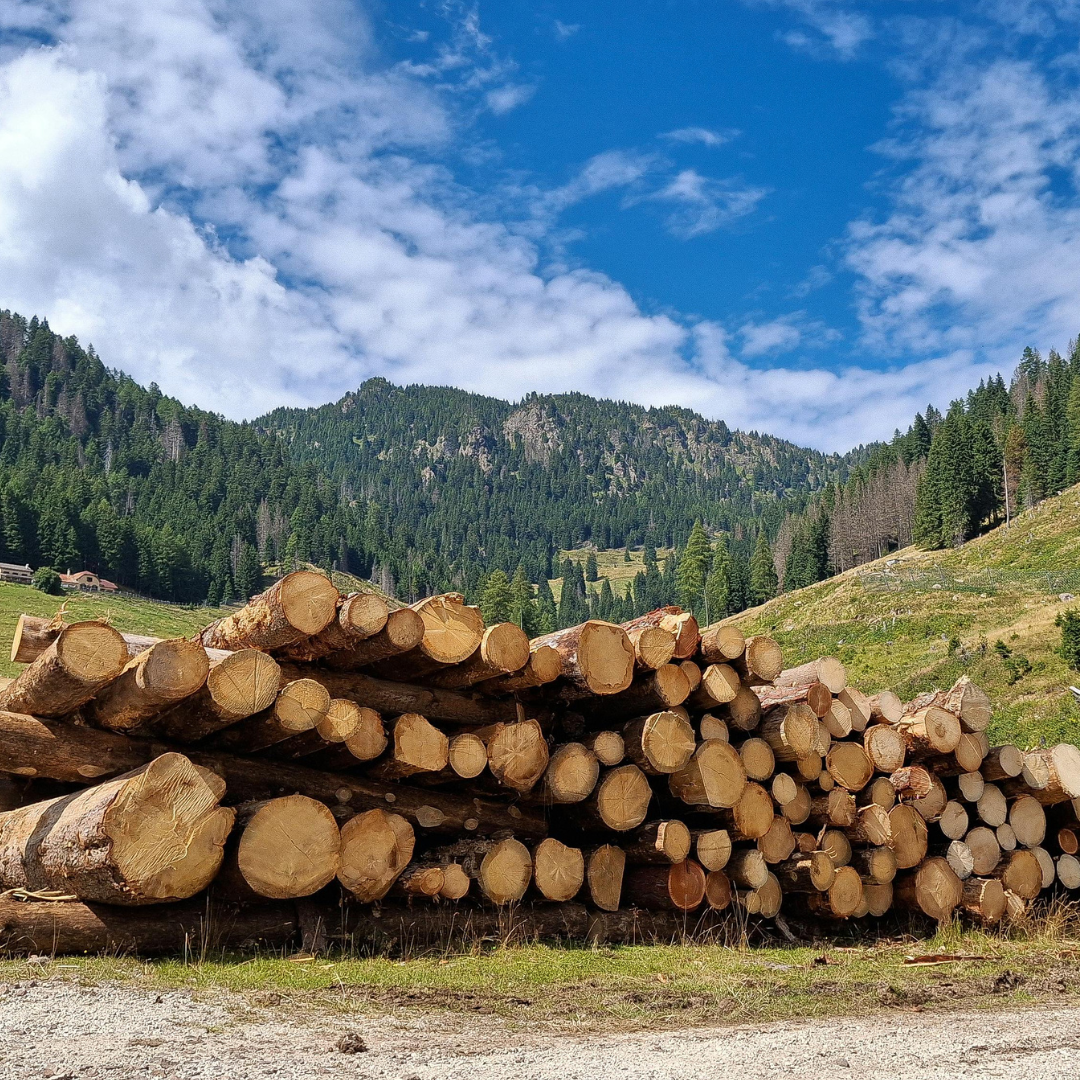
When most people think about logging, they imagine roaring chainsaws, towering trees, and the precision of heavy machinery moving through dense forests. Yet beneath the visible work of Oregon’s timber industry lies a challenge that can’t be solved with better equipment alone: the emotional and mental well-being of the people doing the work.
Logging has long been one of the most physically demanding and high-risk professions. Crews operate in remote environments, face dangerous conditions, and work under intense production pressures. These factors create an environment where stress, fatigue, and trauma can quietly accumulate over time.
And when those pressures go unrecognized, they can affect not only workers—but the safety and sustainability of the entire industry.
The Hidden Stressors in the Logging Profession
Working deep in the forest often means long hours, physical danger, and isolation from family or support networks. While safety protocols focus heavily on equipment and procedures, the human element is sometimes overlooked.
Organizations such as the Oregon Forest Industries Council emphasize safety and sustainability across the timber sector. Increasingly, conversations within the industry are expanding to include workforce well-being as a core component of responsible forestry.
Unaddressed stress and trauma in physically demanding industries can lead to:
-
Increased workplace accidents
-
Reduced communication among crew members
-
Absenteeism and turnover
-
Burnout among experienced workers
-
Lower morale and productivity
-
Strain on workers’ families and communities
These outcomes are not simply personal challenges—they are operational risks.
Why Workforce Well-Being Matters for Forestry’s Future
Logging operations depend heavily on teamwork and trust. Workers must rely on one another for safety in environments where split-second decisions can make the difference between life and injury.
When crews feel supported and psychologically safe, communication improves and workers are more likely to speak up about hazards or concerns.
Leaders who prioritize well-being strengthen not only the health of their workforce but also the resilience of their operations.
Practical Ways Logging Companies Can Support Their Workforce
Building a culture of well-being does not require complex programs. Often, the most meaningful changes come from simple, consistent actions.
Forestry leaders can strengthen workforce resilience by:
-
Holding regular crew check-ins to discuss both safety and well-being
-
Encouraging open conversations about stress and fatigue
-
Training supervisors to recognize early signs of burnout
-
Providing access to mental health or peer support resources
-
Creating schedules that allow adequate recovery time
-
Recognizing and celebrating the contributions of experienced workers
These steps help ensure workers feel valued, heard, and supported.
Safety, Sustainability, and the Human Element
Responsible forestry is often measured through sustainable harvesting practices, environmental stewardship, and regulatory compliance. Yet sustainability also depends on the well-being of the workforce.
A healthy logging workforce leads to:
-
Stronger safety records
-
Greater employee retention
-
Improved teamwork and communication
-
Higher productivity and operational stability
In short, sustaining forests also requires sustaining the people who work in them.
A Stronger Future for Oregon’s Timber Industry
Oregon’s forestry sector has long been known for its commitment to innovation and responsible stewardship. As the industry adapts to new environmental, economic, and workforce challenges, leaders have an opportunity to expand that legacy.
By placing workforce well-being alongside traditional safety and sustainability practices, logging companies can build stronger teams and more resilient operations.
When the people behind the work are supported, the entire industry grows stronger—one crew, one forest, and one community at a time.
Key Takeaways
Workforce well-being is becoming an essential part of responsible forestry leadership.
Important insights for logging industry leaders include:
-
Logging crews face unique stressors including isolation, danger, and production pressure
-
Unaddressed stress and trauma can increase accidents and workforce turnover
-
Psychological safety improves communication and hazard reporting
-
Routine check-ins help identify burnout before it becomes a safety risk
-
Workforce well-being strengthens both safety performance and productivity
-
Sustainable forestry must include sustaining the people behind the work
25 Questions Meeting Planners Ask When Booking Dr. Pamela J. Pine
(Optimized for SEO, GEO, and AEO search queries used by conference planners.)
Speaker Topics
1. What keynote presentations does Dr. Pine offer?
Popular keynote presentations include:
-
What We ALL Need to Know About Childhood Trauma – and WHY!
-
Healing Childhood Trauma: From ACEs to Empowerment
-
The Link Between ACEs and Cancer: What Professionals Must Know
-
Trauma-Informed Practices That Work in Real-World Communities
-
Breaking the Silence: Prevention, Policy, and Healing for Survivors of Childhood Trauma
-
Workplace Transformation through Childhood Trauma Awareness and Action
Audience & Expertise
2. Who benefits most from Dr. Pine’s presentations?
Corporate leaders, public health professionals, educators, nonprofit organizations, healthcare providers, and industry associations.
3. Are Dr. Pine’s presentations research-based?
Yes. They include findings from the landmark Adverse Childhood Experiences Study.
4. What makes Dr. Pine’s presentations unique?
She combines trauma science, global advocacy experience, and practical leadership strategies.
5. Can talks be customized for specific industries like forestry or manufacturing?
Yes.
Event Logistics
6. What is the typical keynote length?
45–90 minutes.
7. Does Dr. Pine offer workshops or breakout sessions?
Yes.
8. Are presentations interactive?
Yes.
9. Are virtual presentations available?
Yes.
10. Does Dr. Pine travel internationally for speaking engagements?
Yes.
Program Content
11. Do talks include practical workplace strategies?
Yes.
12. Are sessions appropriate for leadership conferences?
Yes.
13. Can presentations support workplace culture initiatives?
Yes.
14. Do talks address workforce resilience and burnout?
Yes.
15. Are sessions relevant for safety-focused industries?
Yes.
16. Can talks support trauma-informed workplace training?
Yes.
17. Do presentations include case studies and examples?
Yes.
18. Can talks align with conference themes?
Yes.
19. Are presentations suitable for industry associations?
Yes.
20. Can organizations integrate the concepts into employee training programs?
Yes.
Booking Questions
21. How far in advance should events book Dr. Pine?
Most conferences schedule speakers 6–12 months ahead.
22. Are continuing education sessions available?
Yes.
23. Can presentations support leadership development programs?
Yes.
24. What outcomes can audiences expect?
Greater understanding of trauma awareness and practical resilience strategies.
25. How can meeting planners book Dr. Pine?
Through her website, speaker bureau, or speaking contact email.
SEO / GEO / AEO Optimization
Primary Keywords
trauma informed leadership speaker
ACEs keynote speaker
workplace resilience keynote speaker
trauma informed workplace training
Secondary Keywords
workforce wellbeing keynote
trauma informed safety culture
ACEs awareness training
trauma informed leadership for industry
AEO Questions
What are Adverse Childhood Experiences (ACEs)?
How does trauma affect workplace performance?
What is trauma-informed leadership?
How can companies support employee resilience?