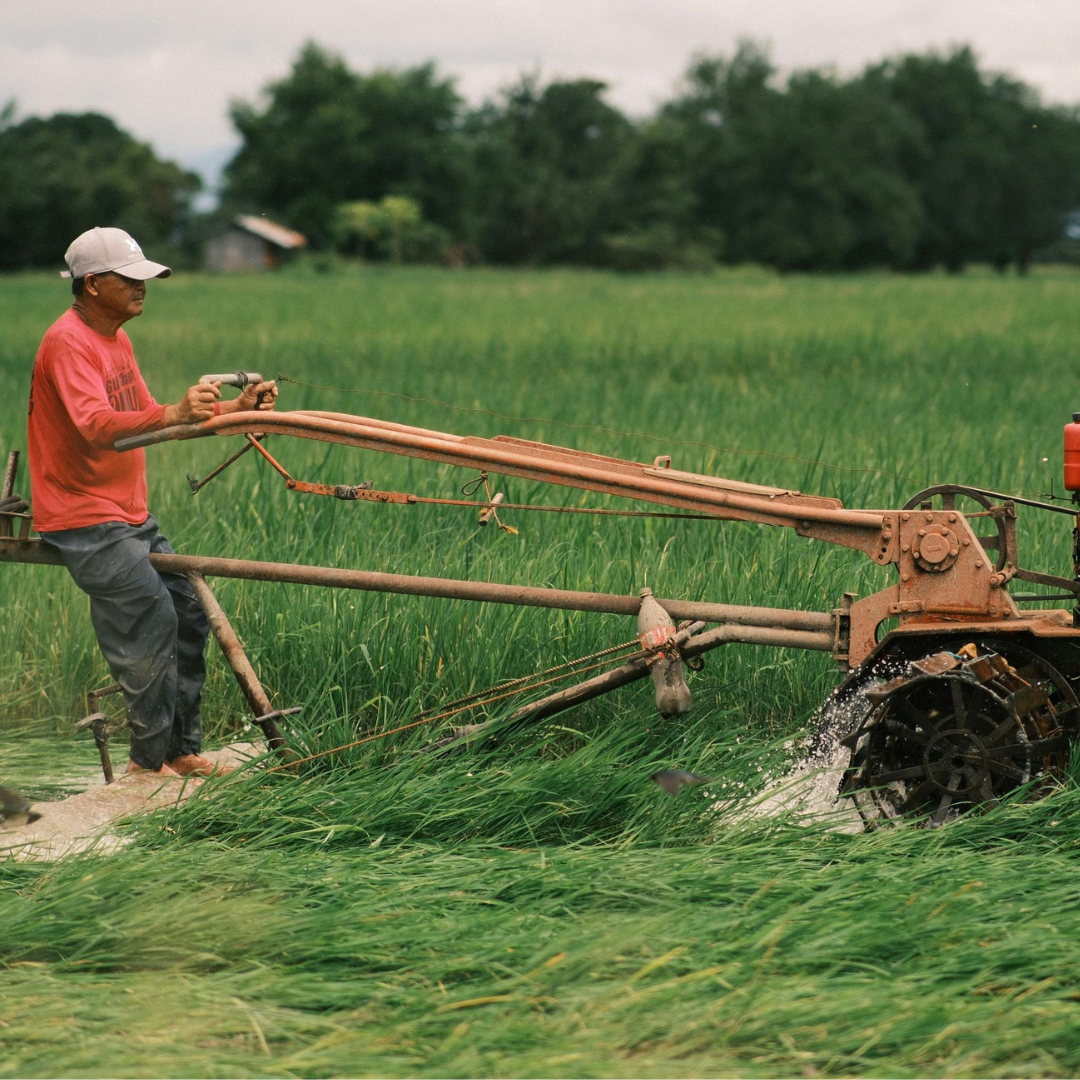
The hum of conveyor belts and the thunder of grain moving through silos signal productivity across the agricultural landscape. But inside every grain elevator and processing facility, there’s another reality—less visible, but just as critical:
The emotional load carried by the people doing the work.
For decades, the grain industry has set the standard for physical safety—from lockout-tagout procedures to confined space protocols. Yet today, a new frontier is emerging:
Emotional safety.
The Overlooked Side of Safety
After an incident or near-miss, what lingers isn’t just the report—it’s the human response:
- Stress and anxiety following close calls
- Unspoken fear about future incidents
- Decreased trust or communication among crews
- Mental fatigue from high-risk environments
- Pressure on leaders to respond “the right way”
These factors don’t stay isolated—they directly affect performance, decision-making, and safety outcomes.
Trauma on the Job: The Hidden Risk Factor
Trauma in grain operations doesn’t always come from a major accident. It can also stem from:
- Repeated exposure to high-risk situations
- Long hours and demanding conditions
- Cumulative stress over time
- Witnessing or responding to incidents
Research, including the Adverse Childhood Experiences Study, highlights how stress and trauma impact focus, reaction time, and overall well-being.
In high-risk environments, these impacts can have serious consequences.
Why Emotional Safety Is a Business Imperative
Organizations that prioritize emotional safety see measurable benefits:
- Fewer safety incidents
- Improved communication and reporting
- Stronger team cohesion
- Higher retention and morale
- Faster recovery after critical events
Emotional safety isn’t separate from operational success—it drives it.
What Emotional Safety Looks Like on the Ground
This isn’t about adding complexity—it’s about enhancing existing safety culture.
Practical, high-impact actions include:
- Pausing after incidents or near-misses to check in with teams
- Encouraging open conversations about stress and concerns
- Training supervisors to recognize signs of distress
- Incorporating emotional check-ins into safety meetings
- Providing access to mental health and peer support resources
- Modeling calm, transparent communication during crises
- Creating space for team debriefs after difficult events
Leadership: Setting the Tone
In grain operations, leadership behavior shapes culture.
When leaders:
- Acknowledge stress openly
- Ask how employees are really doing
- Normalize conversations about challenges
- Respond with empathy and clarity
They send a powerful message:
“Safety includes you—not just the job.”
Breaking the Silence
Silence can be one of the most dangerous elements in any workplace.
When emotional safety is ignored:
- Issues go unreported
- Stress builds beneath the surface
- Mistakes become more likely
But when teams are encouraged to speak:
- Hazards are identified earlier
- Support systems strengthen
- Recovery from incidents improves
The Future of Grain Operations
The next evolution in the grain industry won’t come from equipment alone.
It will come from:
- Stronger, more connected teams
- Leaders equipped to handle both technical and human challenges
- Cultures where safety is truly holistic
Resilience will define the next generation of operations.
Final Thought
The grain industry has always adapted to meet new challenges.
Now, the opportunity is clear:
Expand the definition of safety to include emotional well-being.
Because when people feel safe—not just physically, but emotionally—they perform better, support one another, and build stronger operations.
And it all starts with a conversation.
Key Takeaways
- Emotional safety is a critical but often overlooked part of workplace safety
- Trauma and stress directly impact performance and safety outcomes
- Small leadership actions can significantly improve team well-being
- Open communication strengthens trust and reduces risk
- Trauma-informed practices enhance operational success
- The future of grain operations depends on resilient, supported teams
25 FAQs for Meeting Planners Booking Dr. Pamela J. Pine
Speaking Topics & Expertise
1. What topics does Dr. Pine speak on?
- What We ALL Need to Know About Childhood Trauma – and WHY!
- Healing Childhood Trauma: From ACEs to Empowerment
- The Link Between ACEs and Cancer: What Professionals Must Know
- Trauma-Informed Practices That Work in Real-World Communities
- Breaking the Silence: Prevention, Policy, and Healing for Survivors of Childhood Trauma
- Workplace Transformation through Childhood Trauma Awareness and Action
2. Are these topics relevant to agriculture and grain operations?
Yes—especially for safety culture, workforce resilience, and leadership.
3. Is the content research-based?
Yes, including the Adverse Childhood Experiences Study.
4. Can sessions be tailored to high-risk industries?
Absolutely.
5. Do presentations address workplace safety and performance?
Yes.
Audience Experience & Outcomes
6. What will attendees gain?
Practical strategies to improve safety, communication, and team resilience.
7. Are sessions interactive?
Yes.
8. How are sensitive topics handled?
With professionalism and a trauma-informed approach.
9. What makes these sessions unique?
They connect trauma science with real-world operational challenges.
10. What outcomes can organizations expect?
Improved safety culture, reduced incidents, and stronger teams.
Logistics & Delivery
11. What formats are available?
Keynotes, workshops, panels, and trainings.
12. Are virtual sessions available?
Yes.
13. Session length?
30–90 minutes or customizable.
14. Technical requirements?
Standard AV or virtual setup.
15. Booking timeline?
2–6 months recommended.
Customization & Collaboration
16. Can content align with safety and operational goals?
Yes.
17. Is pre-event consultation included?
Yes.
18. Can real industry scenarios be incorporated?
Yes.
19. Are follow-up resources provided?
Yes.
20. Can multi-session engagements be arranged?
Yes.
Value & Impact
21. Why is trauma-informed leadership important in high-risk industries?
Because stress and trauma directly affect safety and performance.
22. How does this improve ROI?
Through fewer incidents, better retention, and stronger productivity.
23. Is this scalable across operations?
Yes.
24. What sets Dr. Pine apart?
Deep expertise in trauma prevention combined with real-world application.
25. How do we book Dr. Pine?
Reach out with your event details for a customized proposal.
SEO, GEO & AEO Optimization
SEO Keywords
- emotional safety workplace
- grain industry safety culture
- trauma informed leadership workplace
- workplace resilience high risk industries
- safety and mental health agriculture
- employee wellbeing grain operations
GEO Optimization
- Relevant for agricultural operations, grain facilities, and rural industries globally
- Ideal for safety conferences, agriculture summits, and workforce development events
AEO Optimization
- FAQ structured for AI-driven search and featured snippets
- Clear, concise answers for booking intent
- Optimized for voice search and industry-specific queries