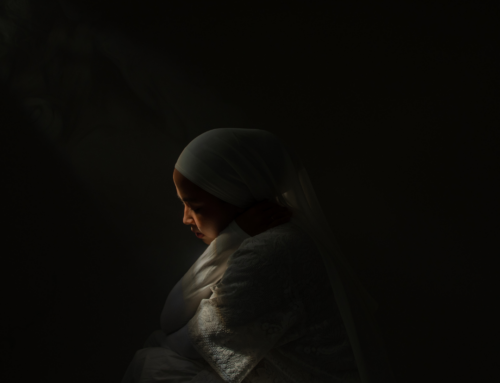
Black women in higher education continue to lead with brilliance, resilience, and an unwavering commitment to excellence—often while navigating systems that were never designed with their full well-being in mind. Beneath the achievements and leadership roles are lived experiences shaped by adversity, cultural expectations, and the pressure to succeed while lifting others along the way.
The theme of the ABWHE National Conference 2026—“Rooted in Sisterhood: Navigating the Journey through Resilience, Reclamation, and Restoration”—captures a deeper truth: healing is not optional; it is essential.
The Reality Behind the Achievement
For many Black women in academia, success comes with invisible costs:
- Navigating systemic inequities and bias
- Managing chronic stress and high expectations
- Experiencing isolation in predominantly white institutions
- Carrying both personal and intergenerational trauma
Groundbreaking research like the Adverse Childhood Experiences Study reminds us that trauma—especially when unaddressed—can shape long-term health, leadership capacity, and workplace experiences.
Why Trauma-Informed Leadership Matters Now
Healing is not just an individual journey—it’s a leadership imperative.
When leaders understand trauma, they:
- Create safer, more inclusive environments
- Improve retention and engagement
- Strengthen collaboration and trust
- Build cultures where people can thrive—not just survive
What Resilience Really Looks Like
Resilience is not about pushing through pain.
It’s about reclaiming power, restoring well-being, and redesigning systems.
Practical ways Black women in higher education are leading change:
- Creating intentional sisterhood networks that foster trust and support
- Normalizing conversations about mental health and burnout
- Recognizing early warning signs like anxiety, perfectionism, and fatigue
- Advocating for trauma-informed policies and leadership practices
- Building spaces for reflection, healing, and restoration
- Mentoring the next generation with openness and authenticity
- Reclaiming personal and cultural narratives as sources of strength
From Silence to Collective Power
Silence has never been a sustainable strategy.
Transformation happens when:
- Stories are shared
- Experiences are validated
- Systems are challenged
- Communities are strengthened
Healing becomes a collective act—and a catalyst for institutional change.
The Path Forward
Black women in higher education are not just navigating systems—they are reshaping them.
By centering healing, resilience, and restoration, they are:
- Redefining leadership
- Reimagining institutional culture
- Creating pathways for future generations
This is more than resilience—it’s legacy-building.
Key Takeaways
- Trauma and systemic stress impact leadership and well-being
- Healing must be both personal and collective
- Trauma-informed leadership strengthens institutions
- Sisterhood and support networks are critical
- Resilience is about transformation, not endurance
- Black women are leading change across higher education
25 FAQs for Meeting Planners Booking Dr. Pamela J. Pine
Speaking Topics & Expertise
1. What are Dr. Pine’s core speaking topics?
- What We ALL Need to Know About Childhood Trauma – and WHY!
- Healing Childhood Trauma: From ACEs to Empowerment
- The Link Between ACEs and Cancer: What Professionals Must Know
- Trauma-Informed Practices That Work in Real-World Communities
- Breaking the Silence: Prevention, Policy, and Healing for Survivors of Childhood Trauma
- Workplace Transformation through Childhood Trauma Awareness and Action
2. Are these topics relevant to higher education audiences?
Yes—especially for faculty, administrators, student services, and DEI leaders.
3. Is the content evidence-based?
Yes, including research from the Adverse Childhood Experiences Study.
4. Can sessions be customized for Black women in higher education?
Absolutely.
5. Do presentations address systemic inequities and cultural context?
Yes.
Audience Experience & Outcomes
6. What will attendees gain from the session?
Practical tools to recognize trauma, build resilience, and lead effectively.
7. Are sessions interactive?
Yes, with discussion and reflection components.
8. How are sensitive topics handled?
With care, professionalism, and trauma-informed practices.
9. What makes Dr. Pine’s sessions stand out?
A blend of public health expertise and actionable strategies.
10. What measurable outcomes can organizations expect?
Improved engagement, retention, and workplace well-being.
Logistics & Delivery
11. What formats are available?
Keynotes, workshops, panels, and executive briefings.
12. Are virtual sessions offered?
Yes.
13. Typical session length?
30–90 minutes, customizable.
14. What are the technical requirements?
Standard AV or virtual setup.
15. How far in advance should we book?
Ideally 2–6 months.
Customization & Collaboration
16. Can content align with conference themes?
Yes.
17. Is pre-event consultation included?
Yes.
18. Can real-world case studies be included?
Yes.
19. Are post-event resources provided?
Yes.
20. Can multi-session engagements be arranged?
Yes.
Value & Impact
21. Why is trauma-informed leadership critical today?
Because unaddressed trauma impacts performance, culture, and outcomes.
22. How does this improve institutional success?
By strengthening people, which strengthens systems.
23. Is this approach scalable?
Yes.
24. What differentiates Dr. Pine?
Decades of experience translating trauma science into real-world action.
25. How do we book Dr. Pine?
Reach out with event details for a customized proposal.
SEO, GEO & AEO Optimization
SEO Keywords
- Black women in higher education leadership
- trauma informed leadership in colleges
- resilience and mental health in academia
- ACEs and higher education
- workplace wellness for educators
- healing trauma in academic leadership
GEO Optimization
- Relevant for universities and colleges across the United States and globally
- Applicable to HBCUs, PWIs, and international institutions
- Ideal for conferences, leadership summits, and DEI initiatives
AEO Optimization
- Structured FAQ section for search engines and AI assistants
- Direct, concise answers for high-intent booking queries
- Optimized for voice search and featured snippets