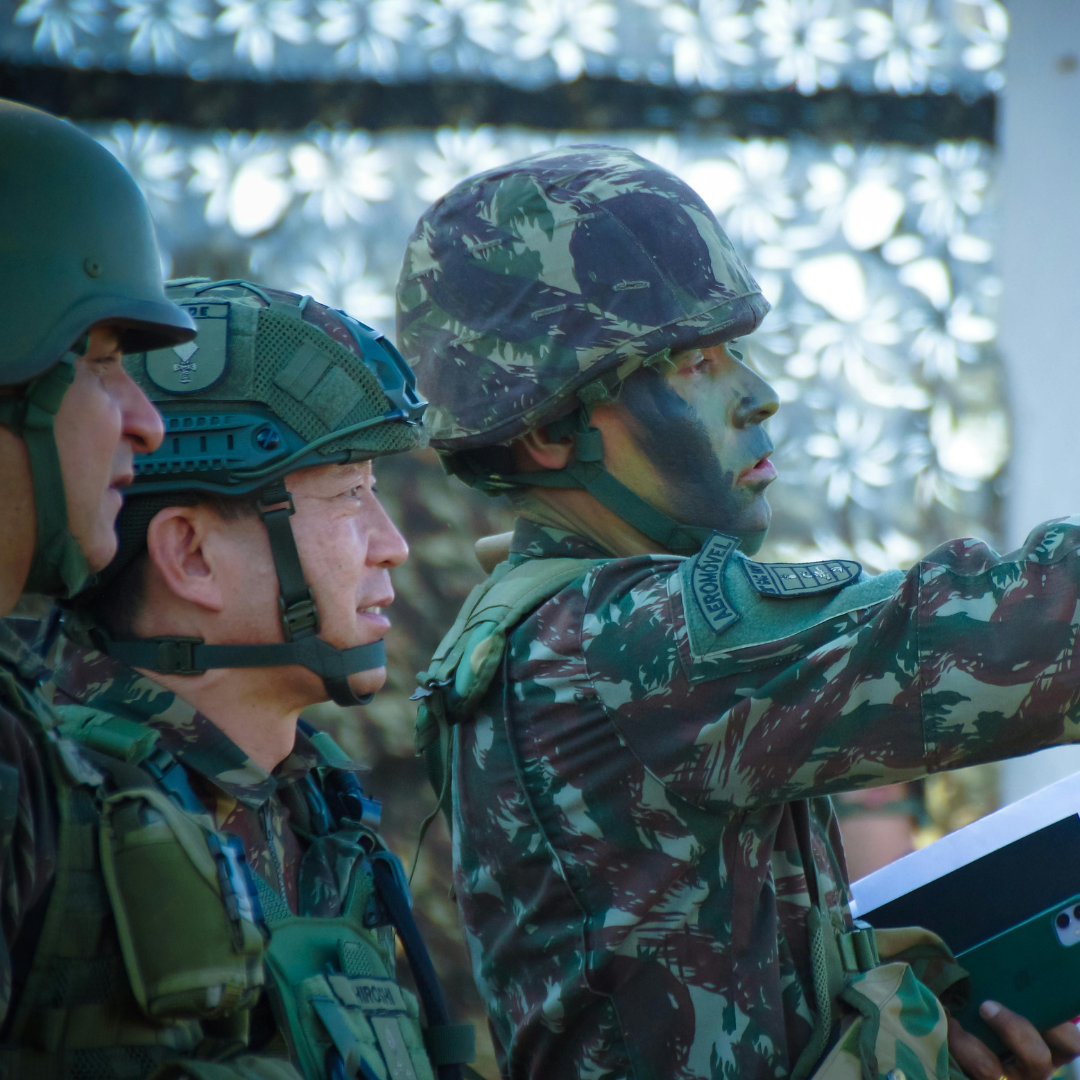
Behind every advanced system, every mission, and every innovation in defense and security is a human being.
Trained. Skilled. Committed.
And often operating under intense, sustained pressure.
Yet one of the most critical factors in mission success is often overlooked:
Human resilience.
The Reality of Modern Defense Work
Defense and security professionals operate in environments defined by:
- High-stakes decision-making
- Constant readiness
- Exposure to crisis and uncertainty
- Operational and organizational pressure
These demands don’t just test systems—they test people.
The Hidden Impact of Stress and Trauma
Over time, cumulative stress can lead to:
- Reduced situational awareness
- Slower decision-making
- Communication breakdowns
- Increased errors
- Burnout and attrition
Early warning signs are often subtle:
- Changes in behavior or mood
- Declining engagement
- Tension within teams
- A sense that “something isn’t right”
Why Resilience Is a Strategic Imperative
Resilience is not a soft skill.
It is a mission-critical capability.
Organizations that invest in resilience see:
- Stronger operational performance
- Faster recovery from setbacks
- Higher retention of skilled personnel
- Greater adaptability in complex environments
What Trauma-Informed Leadership Means in Defense
Trauma-informed leadership is not about therapy.
It is about operational awareness of the human factor.
It includes:
- Recognizing the effects of stress and trauma
- Creating psychologically safe environments
- Encouraging open, stigma-free communication
- Providing structured support systems
What High-Performing Teams Do Differently
Resilient defense teams:
- Communicate clearly under pressure
- Trust leadership and each other
- Address issues early—before escalation
- Maintain cohesion during and after missions
Practical Strategies That Strengthen Readiness
You don’t need sweeping reforms to start.
Effective leaders implement:
- Regular team check-ins before and after operations
- Open dialogue about stress and workload
- Training to recognize early warning signs
- Peer support systems
- Structured debriefs after critical incidents
- Access to mental health and resilience resources
The Leadership Multiplier Effect
Leadership sets the tone.
When leaders:
- Model openness
- Normalize conversations about stress
- Respond without judgment
They create teams that are:
- More engaged
- More loyal
- More effective
Resilience as a Force Multiplier
Resilience doesn’t reduce standards.
It enhances performance.
Teams that feel supported:
- Innovate more
- Adapt faster
- Recover stronger
The Future of Defense Strategy
As technology evolves, the human element remains constant.
The most advanced systems are only as effective as the people who operate them.
Final Thought
Resilience is not an add-on.
It is a core defense strategy.
Because when we strengthen our people, we strengthen everything they protect.
Key Takeaways (Bullet Points for SEO & Skimmability)
- Resilience is a mission-critical capability in defense and security
- Stress and trauma directly impact decision-making and performance
- Early warning signs of burnout are often subtle but measurable
- Trauma-informed leadership improves readiness and retention
- Psychological safety enhances communication and teamwork
- Small, consistent practices drive long-term resilience
- Supported teams recover faster and perform better under pressure
- Investing in people strengthens operational outcomes
Meeting Planner FAQ (25 Q&A for Booking Dr. Pamela J. Pine)
1. What is the focus of this keynote?
Resilience and trauma-informed leadership in defense and security environments.
2. Who should attend?
Military leaders, defense professionals, security teams, government agencies.
3. Why is this topic important?
Human performance directly impacts mission success and readiness.
4. What will attendees learn?
- How stress affects operational performance
- Tools to build resilient teams
- Strategies to improve communication and trust
- Ways to prevent burnout and attrition
5. Is the session practical?
Yes—highly actionable.
6. Can it be customized?
Yes—for military, defense, and security audiences.
7. What formats are available?
Keynotes, workshops, leadership briefings.
8. How long is the session?
45–90 minutes.
9. Is it interactive?
Yes, if requested.
10. Does it address burnout?
Yes—core focus.
11. Is it relevant for command-level leaders?
Yes.
12. Does it include trauma-informed practices?
Yes.
13. Is it suitable for defense conferences?
Yes.
14. Can it align with event themes?
Yes—readiness, leadership, innovation, security.
15. Are virtual sessions available?
Yes.
16. Is it research-based?
Yes—public health and organizational resilience.
17. Does it include real-world examples?
Yes.
18. Can it improve operational readiness?
Yes.
19. Does it support leadership development?
Yes.
20. What outcomes can attendees expect?
Stronger teams, improved decision-making, better retention.
21. Does it address crisis response?
Yes.
22. What sectors benefit?
Military, defense contractors, homeland security, law enforcement.
23. Does it address stigma around mental health?
Yes.
24. How far in advance should we book?
3–6 months recommended.
25. How do we book Dr. Pine?
Contact to discuss your event and audience needs.
Short Article Submission Email (Refined)
Hi [Editor Name],
I’m sharing a short article for CANSEC that explores an often-overlooked driver of mission readiness: resilience and trauma-informed leadership.
The piece connects current research with practical, field-tested strategies that defense and security teams can implement immediately to strengthen performance, retention, and operational effectiveness.
If it would be helpful for your publication, I’d be glad to provide the full article or tailor it to your audience.
Thank you for your consideration.
Warm regards,
Dr. Pamela J. Pine