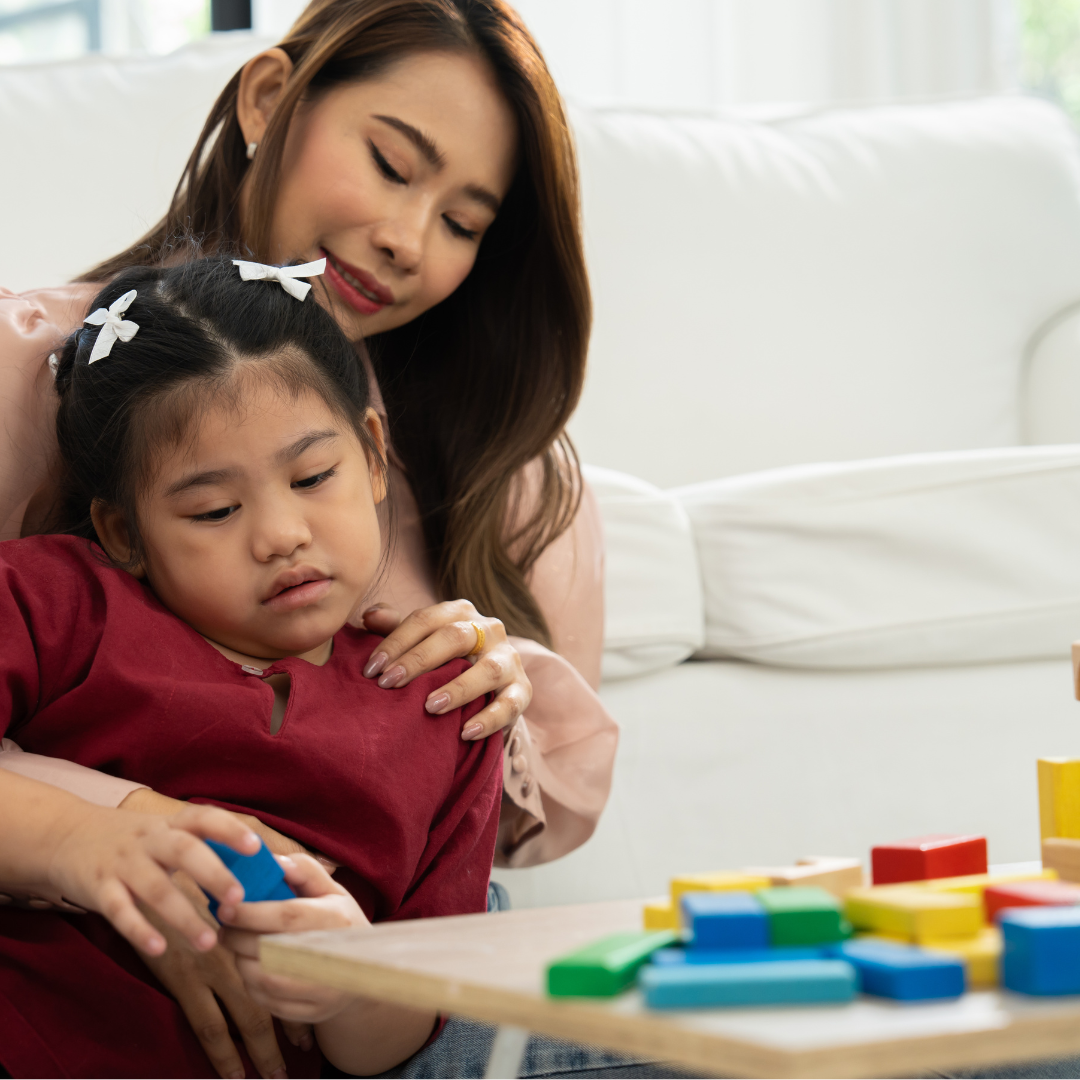
Home visitors understand one of the most challenging realities of family support work: sometimes the families who need services the most are the hardest to engage.
Phone calls go unanswered. Appointments are canceled. Doors remain closed. Messages receive no response.
It can be frustrating, especially when professionals know the support being offered could make a meaningful difference.
But what if what looks like resistance is actually something else?
Looking Beyond “Non-Compliance”
Research shows that adverse childhood experiences (ACEs) affect approximately two-thirds of adults in the United States. ACEs include experiences such as abuse, neglect, exposure to violence, household substance use, mental illness, and other forms of childhood adversity.
For many individuals, these experiences shape how they view trust, relationships, authority figures, and support systems throughout their lives.
As a result, some parents may approach helping professionals with caution—not because they do not want support, but because their life experiences have taught them that vulnerability can be risky.
Why Trust Can Be Difficult
Childhood adversity often affects a person’s sense of safety and trust.
For some parents, opening the door to a home visitor may involve more than allowing someone into their home. It may involve:
- Allowing someone into their personal space
- Sharing information about their family
- Relinquishing a degree of control
- Facing fears about judgment or criticism
- Revisiting difficult experiences from their own childhood
What appears to be avoidance may actually be a protective response developed over many years.
Understanding this possibility changes the way we interpret behavior.
The Home Visitor’s Unique Role
Home visitors are uniquely positioned to build trust through consistency, compassion, and relationship-centered practice.
Trauma-informed home visiting does not require lowering standards or abandoning program goals.
Instead, it involves recognizing that trust often develops slowly and that engagement may occur in small, meaningful steps.
Trauma-informed home visiting practices include:
- Demonstrating patience and consistency
- Communicating clearly and respectfully
- Maintaining predictable routines
- Celebrating small successes
- Respecting family autonomy
- Creating emotionally safe interactions
- Remaining curious rather than judgmental
- Building relationships before expecting disclosure
These practices support stronger engagement while preserving professional boundaries and program integrity.
The Power of Showing Up
One of the most important findings from resilience research is the value of stable, supportive relationships.
Consistent, caring adults can help foster safety, trust, and resilience.
Home visitors often become exactly that.
For families who have experienced instability, repeated disappointments, or broken trust, the simple act of someone showing up consistently can be profoundly meaningful.
Sometimes progress begins long before a family fully engages.
Sometimes it begins when a parent realizes that this person keeps coming back—not to judge, but to support.
Key Takeaways for Home Visiting Professionals
- Resistance is not always resistance.
- ACEs can influence trust, engagement, and relationship-building.
- Trauma-informed approaches improve family connections.
- Consistency helps build psychological safety.
- Small signs of engagement matter.
- Relationship-building is often the intervention.
- Curiosity is more effective than judgment.
- Trust develops at the pace of safety.
Seeing the Family Through a Different Lens
Home visitors carry extraordinary responsibility and opportunity.
They enter spaces where healing, growth, and resilience can take root.
The next time a door remains closed or a call goes unanswered, it may be worth considering another possibility:
The family may not be rejecting support.
They may simply be waiting for enough safety to accept it.
And for many families, the person helping create that safety is the home visitor who continues to show up.
25 Frequently Asked Questions Meeting Planners Ask About Booking Dr. Pamela J. Pine
1. Who is Dr. Pamela J. Pine?
Dr. Pamela J. Pine is an international public health expert, professor, bestselling author, and Founder/Director of Stop the Silence®, a department of the Institute on Violence, Abuse and Trauma (IVAT).
2. What are Dr. Pine’s most requested speaking topics?
- What We ALL Need to Know About Childhood Trauma – and WHY!
- Healing Childhood Trauma: From ACEs to Empowerment
- The Link Between ACEs and Cancer: What Professionals Must Know
- Trauma-Informed Practices That Work in Real-World Communities
- Breaking the Silence: Prevention, Policy, and Healing for Survivors of Childhood Trauma
- Workplace Transformation Through Childhood Trauma Awareness and Action
3. Why are these topics relevant to home visiting professionals?
Home visitors regularly work with families impacted by adversity, trauma, and stress. Understanding ACEs helps strengthen engagement and outcomes.
4. Can Dr. Pine present to maternal and child health audiences?
Yes. Her work aligns closely with maternal health, child development, family support, and early intervention programs.
5. Does she customize presentations?
Yes. Every presentation is tailored to the audience, program goals, and community needs.
6. Is her content evidence-based?
Absolutely. Her presentations are grounded in public health, neuroscience, ACEs research, resilience science, and trauma-informed practice.
7. Does she provide keynote presentations?
Yes. Keynotes are one of her most frequently requested formats.
8. Does she offer workshops and training sessions?
Yes. She provides conference sessions, workshops, and extended professional development trainings.
9. Is virtual delivery available?
Yes. Presentations can be delivered virtually, in person, or through hybrid formats.
10. What audiences benefit from her presentations?
Home visitors, nurses, educators, social workers, public health professionals, nonprofit leaders, healthcare providers, and policymakers.
11. What are ACEs?
Adverse Childhood Experiences (ACEs) are potentially traumatic events occurring before age 18 that can affect lifelong health and well-being.
12. Why are ACEs important in family support work?
ACEs can influence parenting, trust, engagement, stress responses, and family resilience.
13. Is this a clinical presentation?
No. The focus is practical, evidence-based strategies for professionals working with children, families, and communities.
14. What outcomes can attendees expect?
Greater understanding of trauma, practical engagement strategies, and tools to support resilience and relationship-building.
15. Does she discuss family engagement?
Yes. Family engagement is a major theme throughout her work.
16. Can she address workforce burnout?
Yes. She frequently discusses compassion fatigue, secondary trauma, resilience, and workforce wellness.
17. How does trauma affect trust?
Trauma can alter perceptions of safety, authority, relationships, and vulnerability.
18. Can trauma-informed approaches improve program outcomes?
Research consistently suggests that trauma-informed approaches can improve engagement, trust, and service effectiveness.
19. Does she speak to leadership teams?
Yes. She regularly presents to executive leaders, supervisors, and organizational decision-makers.
20. Does she provide actionable takeaways?
Yes. Attendees leave with practical strategies that can be implemented immediately.
21. Can her presentations support community resilience initiatives?
Absolutely. Community resilience is central to her work.
22. Does she work with associations and conferences?
Yes. She frequently presents at national, state, and regional conferences.
23. Does she speak internationally?
Yes. Dr. Pine has worked and presented internationally for more than 30 years.
24. What makes her presentations unique?
She combines public health science, compelling storytelling, practical applications, and real-world experience.
25. How can we book Dr. Pine?
Meeting planners can contact her through her website, LinkedIn, email, or speaker representative to discuss availability and event goals.
SEO Title
The Parent Who Won’t Let You In: How Trauma-Informed Home Visiting Builds Trust and Engagement
SEO Meta Description
Learn how adverse childhood experiences (ACEs), trauma-informed home visiting, and relationship-centered family support can improve trust, engagement, resilience, and long-term outcomes for families.
GEO & AEO Optimized Questions
- Why do families resist home visiting services?
- What are adverse childhood experiences (ACEs)?
- How does trauma affect trust in helping professionals?
- What is trauma-informed home visiting?
- How can home visitors build trust with families?
- Why is family engagement challenging?
- How do ACEs affect parenting?
- What helps families engage in support programs?
- How can home visitors support resilience?
- Why are relationships important in home visiting?