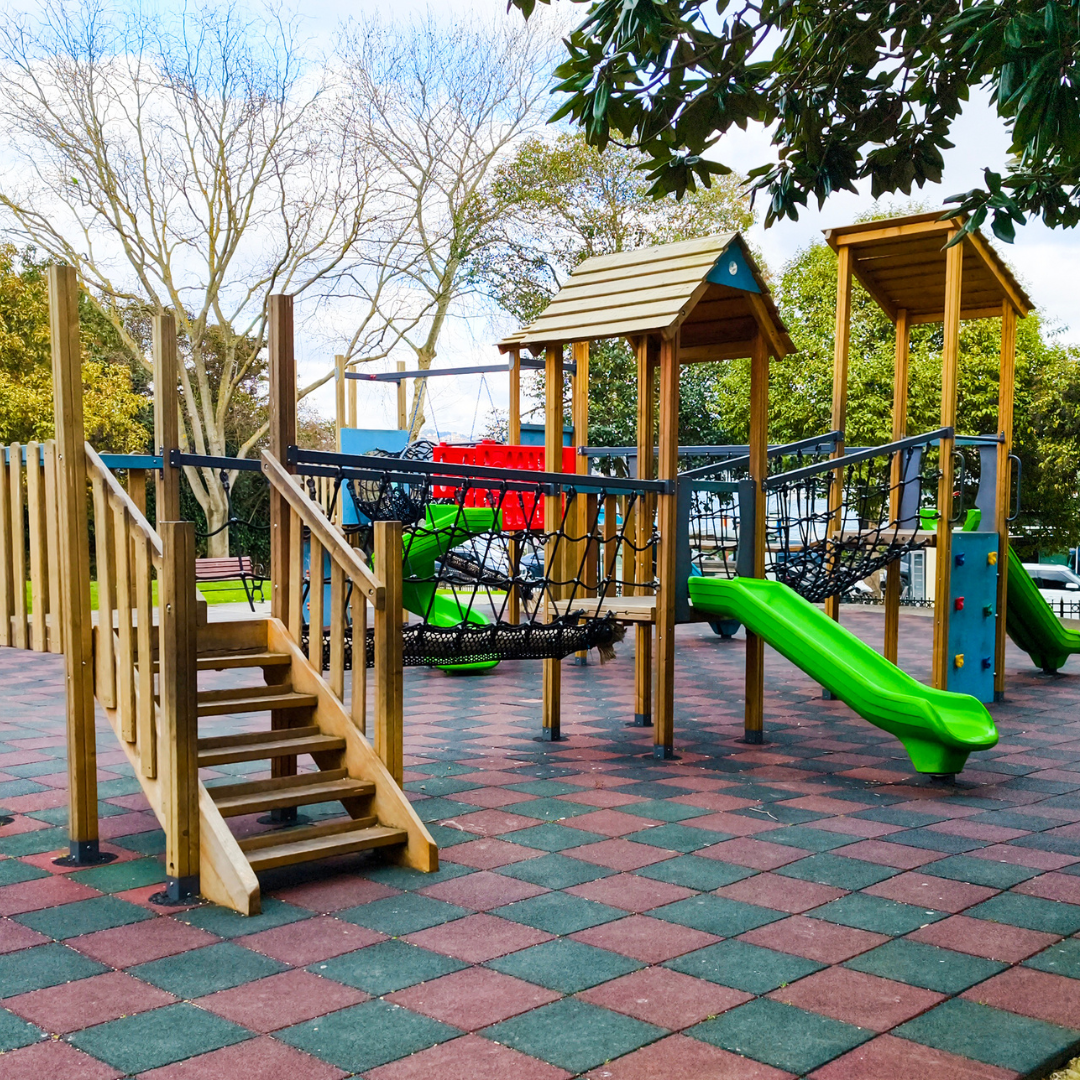
Parks have always been places for play, connection, and community.
But today, they hold an even greater opportunity:
They can become spaces for healing.
Across communities, childhood trauma—often described through Adverse Childhood Experiences (ACEs)—is shaping how young people engage with the world. And increasingly, those impacts are showing up in parks, recreation programs, and community spaces.
The Hidden Reality in Parks and Recreation
Trauma doesn’t stay at home or in school—it shows up in everyday environments:
- On the playground
- In summer camps
- During sports practices
- In community centers
Staff may notice:
- Sudden behavioral changes
- Withdrawal or disengagement
- Emotional outbursts
- Difficulty forming relationships
These aren’t discipline issues—they’re signals.
Why Parks Are Uniquely Positioned to Help
Parks and recreation professionals are often:
- Trusted adults outside of school and home
- Consistent figures in a child’s life
- Leaders in informal, relationship-based settings
That makes parks one of the most powerful—yet underutilized—spaces for building resilience.
What Trauma-Informed Parks Look Like
Becoming trauma-informed doesn’t require a complete overhaul. It starts with intentional, practical changes:
- Consistent routines that create predictability and safety
- Warm, reliable interactions (greetings, check-ins)
- Staff trained to recognize trauma signals
- Support systems for staff and volunteers
- Clear, compassionate communication strategies
- Safe spaces for de-escalation and reflection
- Leadership commitment to ongoing training and culture change
The Ripple Effect on Communities
When parks adopt trauma-informed practices, the impact extends far beyond individual programs:
- Increased youth engagement
- Improved behavior and participation
- Stronger relationships between staff and families
- Reduced staff burnout and turnover
- Greater community trust
Supporting the People Who Support Kids
One critical truth: staff carry emotional weight, too.
Trauma-informed parks also focus on:
- Staff check-ins and peer support
- Training on stress and burnout
- Leadership that models empathy and openness
When staff feel supported, they are better equipped to support others.
From Awareness to Action
Communities don’t need to wait for large-scale funding or policy shifts.
Start here:
- Train staff in trauma awareness
- Normalize conversations about stress and behavior
- Build small, consistent routines
- Engage parents and caregivers
- Create partnerships with local experts
The Opportunity Ahead
Parks are more than physical spaces—they are community anchors.
By embracing trauma-informed practices, they can:
- Break cycles of adversity
- Build resilience in young people
- Strengthen entire communities
Final Thought
You don’t have to choose between fun and safety.
With the right approach, parks can deliver both—creating environments where children and families don’t just play…
They heal, connect, and thrive.
Key Takeaways (Bullet Points)
- Childhood trauma (ACEs) directly impacts behavior in park settings
- Parks are uniquely positioned as trusted community spaces
- Trauma-informed practices improve engagement and safety
- Small changes (routines, check-ins) have large impacts
- Staff support is essential to program success
- Community-wide involvement strengthens outcomes
- Trauma-informed recreation builds long-term resilience
- Healing-centered environments benefit entire communities
25 Meeting Planner FAQs (with Answers)
1. What is the focus of this keynote?
Trauma-informed practices in parks, recreation, and community spaces.
2. Who should attend?
Park district leaders, recreation staff, community organizations, educators.
3. Why is this topic important?
Childhood trauma impacts behavior, engagement, and community wellbeing.
4. What will attendees learn?
- How to recognize trauma signals
- Practical tools for staff and volunteers
- Strategies to build safe, supportive environments
- Ways to improve community engagement
5. Is the session practical?
Yes—highly actionable.
6. Can it be customized?
Yes—for parks, recreation, municipalities, and nonprofits.
7. What formats are available?
Keynotes, workshops, staff trainings.
8. How long is the session?
45–90 minutes.
9. Is it interactive?
Yes, if requested.
10. Does it address staff burnout?
Yes.
11. Is it relevant for leadership?
Yes.
12. Does it include trauma-informed strategies?
Yes.
13. Is it suitable for conferences?
Yes—especially parks and recreation events.
14. Can it align with event themes?
Yes—community health, youth development, leadership.
15. Are virtual sessions available?
Yes.
16. Is it research-based?
Yes—grounded in ACEs and public health research.
17. Does it include real-world examples?
Yes.
18. Can it improve program participation?
Yes.
19. Does it support workforce retention?
Yes.
20. What outcomes can attendees expect?
Stronger programs, better engagement, improved staff wellbeing.
21. Does it address community partnerships?
Yes.
22. What sectors benefit?
Parks, recreation, schools, nonprofits, municipalities.
23. Does it address youth behavior challenges?
Yes.
24. How far in advance should we book?
3–6 months recommended.
25. How do we book Dr. Pine?
Contact to discuss your event and audience needs.