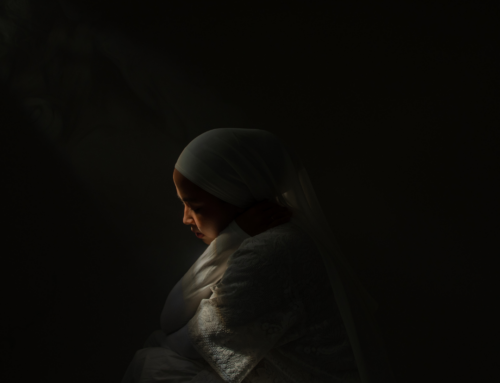
Graduate advisors, career development professionals, and faculty mentors have all encountered a student who seems to have every ingredient for success yet struggles to move forward.
They are intelligent, motivated, and highly capable. Yet they freeze when receiving feedback, procrastinate on critical applications, avoid networking opportunities, or constantly doubt their own abilities.
What if the explanation has less to do with talent and more to do with childhood adversity?
The Hidden Influence of Adverse Childhood Experiences (ACEs)
Adverse Childhood Experiences (ACEs) include experiences such as:
- Physical, emotional, or sexual abuse
- Neglect
- Household violence
- Parental substance misuse
- Mental illness within the household
- Family instability or separation
- Chronic poverty and adversity
Research from the landmark ACEs Study found that childhood trauma is remarkably common. These experiences can significantly influence adult health, relationships, confidence, emotional regulation, and workplace performance.
Graduate students are not immune.
How Childhood Trauma Shows Up in Graduate Education
Many behaviors often labeled as “lack of motivation” may actually reflect trauma responses.
Graduate students affected by ACEs may:
- Struggle to accept constructive criticism
- Avoid networking opportunities
- Experience imposter syndrome at higher levels
- Fear authority figures or evaluation processes
- Delay important career decisions
- Have difficulty asking for help
- Become overwhelmed by perfectionism
- Withdraw during periods of stress
These behaviors are often survival adaptations rather than character flaws.
Why Career Advisors Need Trauma Awareness
Career advisors are not therapists, nor should they be expected to become clinicians.
However, trauma awareness helps professionals better understand student behavior and create more supportive environments.
For example:
- The student who repeatedly cancels appointments may be overwhelmed rather than uninterested.
- The postdoctoral researcher who avoids networking may be managing deep fears of rejection.
- The trainee who dismisses compliments may have never experienced consistent affirmation growing up.
- The student who reacts strongly to feedback may be experiencing it through the lens of earlier adversity.
Understanding changes interpretation.
The Power of One Trusted Adult
One of the most important findings from resilience research is that a single supportive adult relationship can significantly improve outcomes for individuals who have experienced childhood adversity.
For many graduate students, an advisor, faculty member, career counselor, or mentor may become that trusted person.
You do not need clinical training to make a difference.
You need:
- Awareness
- Consistency
- Curiosity
- Compassion
- Trauma-informed communication skills
Practical Steps for Higher Education Professionals
Institutions can support students by:
- Incorporating trauma-informed practices into advising
- Training faculty and staff on ACEs awareness
- Creating psychologically safe learning environments
- Normalizing help-seeking behaviors
- Building mentoring programs
- Strengthening student support systems
- Promoting resilience-building opportunities
The Future of Graduate Student Success
As higher education increasingly focuses on student success, retention, and career readiness, trauma-informed approaches deserve a place in the conversation.
Graduate students bring more than academic credentials into our offices. They bring life histories.
Understanding those histories does not lower expectations.
It helps us create conditions where talented students can meet them.
The students we struggle to reach may not need more ambition, motivation, or discipline.
They may need someone who understands the invisible barriers they have been carrying all along.
25 Frequently Asked Questions Meeting Planners Ask Before Booking Dr. Pamela J. Pine
1. Who is Dr. Pamela J. Pine?
Dr. Pamela J. Pine is an internationally recognized public health expert, professor, bestselling author, founder of Stop the Silence®, and leading authority on childhood trauma, ACEs, prevention, resilience, and trauma-informed systems.
2. What topics does Dr. Pine speak on?
She presents on childhood trauma, ACEs, trauma-informed leadership, workforce resilience, prevention science, cancer and ACEs, public health, organizational transformation, and survivor healing.
3. What is Dr. Pine’s most requested keynote?
“What We ALL Need to Know About Childhood Trauma – and WHY!”
4. Who benefits most from her presentations?
Healthcare professionals, educators, HR leaders, government agencies, nonprofits, associations, public health professionals, employers, and community leaders.
5. What makes her presentations unique?
She combines public health science, real-world experience, compelling storytelling, and practical solutions audiences can implement immediately.
6. Can presentations be customized?
Yes. Every presentation can be tailored to the specific audience, industry, conference goals, and learning objectives.
7. Does she provide virtual presentations?
Yes. She offers virtual, hybrid, and in-person presentations globally.
8. How long are her presentations?
Formats range from 30-minute keynotes to full-day workshops and multi-session conference programs.
9. What are audience takeaways?
Attendees gain actionable strategies, trauma-informed tools, prevention frameworks, and resilience-building approaches.
10. Does she speak internationally?
Yes. Dr. Pine has worked in more than 20 countries and presents to international audiences.
11. What is an ACE?
ACE stands for Adverse Childhood Experience, including abuse, neglect, household dysfunction, and other childhood adversities.
12. Why are ACEs important for professionals?
ACEs influence health, learning, leadership, workforce performance, relationships, and organizational outcomes.
13. What is the connection between ACEs and cancer?
Research has shown significant associations between childhood adversity and increased cancer risk later in life through biological, behavioral, and social pathways.
14. Does Dr. Pine discuss prevention?
Absolutely. Prevention is a central focus of her work.
15. Can she address workforce burnout?
Yes. She specializes in workplace resilience, trauma-informed leadership, burnout prevention, and organizational transformation.
16. Are her presentations evidence-based?
Yes. All content is grounded in peer-reviewed research and public health evidence.
17. What industries has she worked with?
Healthcare, education, government, nonprofits, public safety, agriculture, transportation, business, and community organizations.
18. Does she provide workshops?
Yes. Interactive workshops are available in addition to keynote presentations.
19. What is trauma-informed leadership?
A leadership approach that recognizes how adversity affects behavior, communication, engagement, and performance.
20. Can sessions include Q&A?
Yes. Q&A sessions can be incorporated into any format.
21. How does trauma awareness improve workplaces?
It improves communication, retention, engagement, resilience, productivity, and organizational culture.
22. Does she discuss survivor healing?
Yes. Her presentations include evidence-informed approaches to healing, resilience, empowerment, and recovery.
23. What outcomes do organizations report after her presentations?
Greater awareness, stronger leadership practices, improved communication, enhanced resilience, and increased commitment to prevention.
24. Is her content appropriate for non-clinical audiences?
Yes. Presentations are accessible, practical, and relevant for both professional and community audiences.
25. How can meeting planners book Dr. Pine?
Meeting planners can contact Dr. Pine through Stop the Silence® to discuss event objectives, audience needs, scheduling, and presentation options.