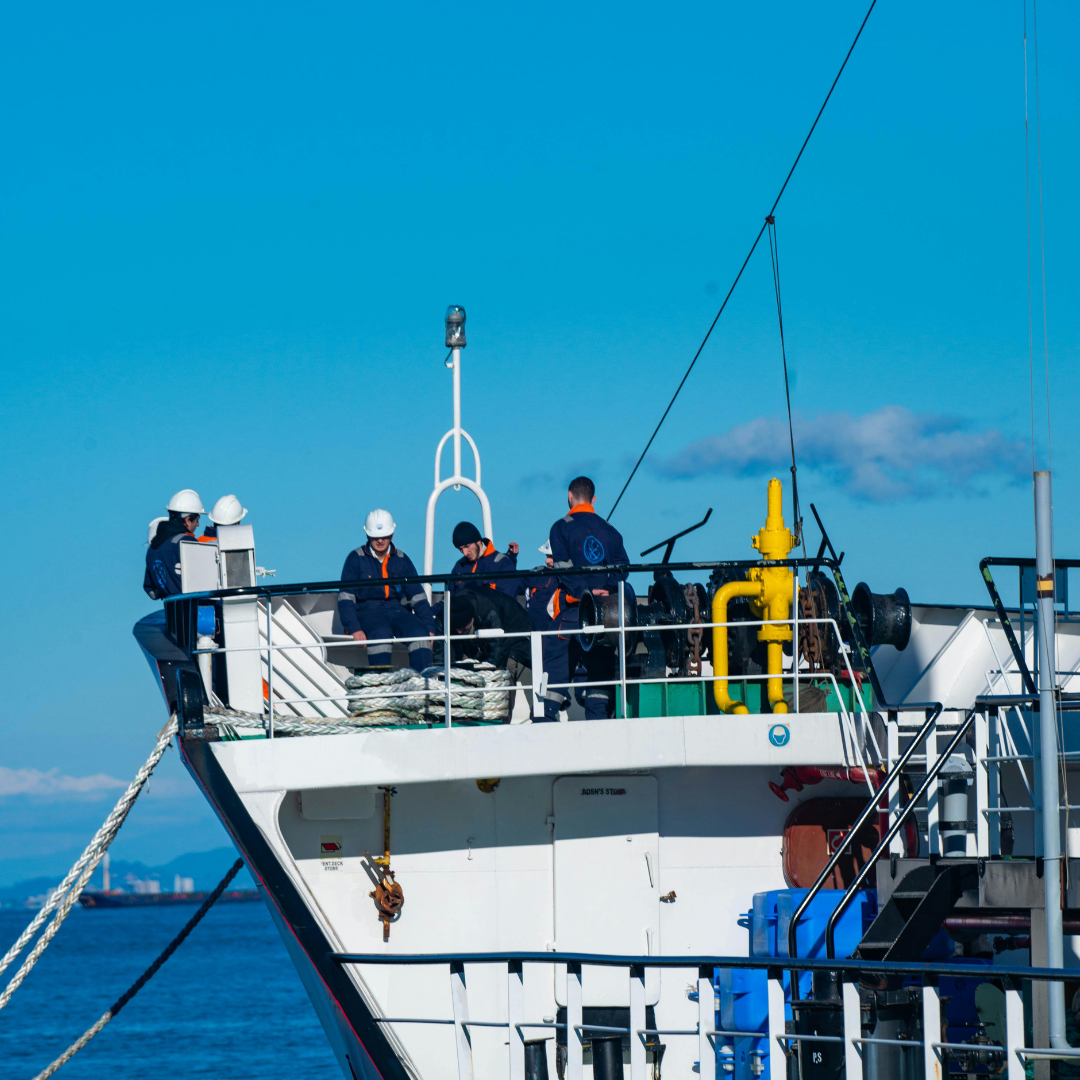
The maritime industry is under immense pressure to evolve. From decarbonization goals and fuel transitions to emerging technologies and changing regulations, shipping and port operations are navigating one of the most significant transformations in modern history.
But behind every emissions target, retrofit initiative, and sustainability strategy is a human workforce being asked to adapt in real time.
Captains, engineers, crews, logistics teams, and port managers are carrying the operational, emotional, and organizational weight of constant change. While the industry often focuses on technology and compliance, a critical truth is becoming impossible to ignore: sustainable maritime operations depend on resilient people.
The Human Side of Maritime Transformation
The push toward sustainability is reshaping every part of maritime operations. New environmental standards, automation systems, fuel technologies, and operational expectations require continuous adaptation.
At the same time, maritime professionals face:
- Long hours and operational fatigue
- Isolation and time away from family
- Rapid technological change and retraining demands
- High-pressure safety responsibilities
- Workforce shortages and staffing strain
- Uncertainty surrounding regulations and industry transitions
For many teams, stress accumulates quietly until it begins affecting morale, communication, safety, and retention.
Why Resilience Matters in Maritime Leadership
Resilience is not simply about endurance. In high-stakes industries like maritime operations, resilience means creating cultures where people can adapt, communicate openly, recover from stress, and remain engaged during periods of uncertainty.
Resilient maritime teams are more likely to:
- Communicate effectively under pressure
- Adapt more quickly to operational changes
- Identify risks and speak up about concerns
- Collaborate across departments and crews
- Maintain stronger safety cultures
- Sustain performance during periods of transition
Operational excellence and workforce wellbeing are deeply connected.
Psychological Safety Drives Innovation
The most innovative maritime organizations understand that new systems and sustainability initiatives only succeed when people feel psychologically safe enough to engage fully.
When crews and leadership teams feel supported:
- Employees are more willing to share ideas and concerns
- Safety reporting improves
- Change resistance decreases
- Training and technology adoption become more effective
- Team cohesion and morale strengthen
Innovation does not thrive in environments dominated by fear, exhaustion, or silence.
Small Leadership Shifts Create Major Impact
Building resilience does not require massive organizational overhauls. Often, the most meaningful changes are practical, consistent, and human-centered.
Effective resilience-building strategies include:
- Regular crew and team check-ins
- Open discussion of operational stressors and challenges
- Leadership that models transparency and emotional intelligence
- Trauma-informed communication practices
- Peer support and mentorship systems
- Clear communication during periods of organizational change
These practices strengthen trust while reducing isolation and burnout.
Sustainability Depends on Workforce Sustainability
The maritime industry cannot achieve long-term sustainability goals without sustaining the people responsible for implementing them.
Organizations that invest in workforce wellbeing often experience:
- Stronger retention and workforce stability
- Improved operational adaptability
- Better safety outcomes
- Increased employee engagement
- Greater innovation and collaboration
- More successful long-term transitions
Sustainability is not only environmental—it is organizational and human.
The Future of Maritime Leadership
As the industry continues its transition toward cleaner technologies and evolving global standards, the most successful organizations will be those that prioritize both innovation and human resilience.
The future belongs to maritime leaders who understand that:
- Technology alone cannot solve workforce fatigue
- Operational success depends on communication and trust
- Psychological safety strengthens safety culture
- People perform best when they feel valued and supported
Maritime sustainability does not begin with systems or equipment alone. It begins with people who feel ready, connected, and capable of navigating the future together.
Key Takeaways for Maritime Leaders and Organizations
- Workforce wellbeing directly impacts operational performance and sustainability
- Burnout and chronic stress can undermine safety, communication, and innovation
- Psychological safety is essential for successful organizational change
- Resilient teams adapt more effectively to evolving regulations and technology
- Leadership communication plays a critical role in workforce resilience
- Trauma-informed leadership supports stronger collaboration and retention
- Sustainable operations require sustainable workforce practices
- Human resilience is foundational to maritime transformation
25 Frequently Asked Questions Meeting Planners Ask About Booking Dr. Pamela J. Pine
1. What is your maritime keynote presentation about?
My presentations focus on workforce resilience, trauma-informed leadership, burnout prevention, and sustainable organizational culture in maritime and transportation industries.
2. Why is resilience important in maritime operations?
Maritime professionals operate in high-pressure environments involving safety risks, long hours, constant adaptation, and workforce stress.
3. Who benefits from your presentations?
Shipping leaders, port authorities, vessel crews, engineers, logistics professionals, sustainability teams, HR leaders, and executive leadership.
4. Is your content evidence-based?
Yes. My work integrates public health research, resilience science, trauma-informed leadership principles, and workforce wellbeing strategies.
5. Can presentations be customized for maritime audiences?
Absolutely. Sessions are tailored to shipping, logistics, ports, sustainability conferences, and transportation leadership teams.
6. What workforce issues do you address?
Burnout, fatigue, workforce retention, communication, leadership resilience, operational stress, and organizational culture.
7. How does burnout affect maritime operations?
Burnout can reduce communication quality, safety awareness, adaptability, engagement, and operational performance.
8. What is trauma-informed leadership?
It is a leadership approach that recognizes how stress and adversity affect communication, behavior, and team performance.
9. Why is psychological safety important at sea and in ports?
Psychological safety encourages open communication, risk reporting, innovation, and stronger teamwork.
10. Do you address safety culture?
Yes. Workforce wellbeing and psychological safety are closely connected to operational safety.
11. What practical tools do attendees receive?
Attendees leave with actionable communication, resilience, and leadership strategies they can apply immediately.
12. Do you offer workshops in addition to keynotes?
Yes. Interactive workshops and breakout sessions are available.
13. Can resilience improve workforce retention?
Yes. Organizations prioritizing wellbeing often experience stronger retention and engagement.
14. Are virtual presentations available?
Yes. Virtual and hybrid formats are available worldwide.
15. What are common signs of burnout in maritime professionals?
Fatigue, irritability, withdrawal, reduced communication, disengagement, and decreased adaptability.
16. Can resilience really be taught?
Yes. Resilience involves practical habits, leadership practices, communication skills, and organizational culture.
17. Why are maritime organizations focusing more on wellbeing now?
Because workforce fatigue, staffing shortages, and operational stress are affecting safety and long-term sustainability.
18. How does resilience support sustainability initiatives?
Resilient teams adapt more effectively to technological change and evolving operational demands.
19. Is your presentation appropriate for executive leadership?
Absolutely. Leadership culture is central to sustainable workforce performance.
20. Do you discuss organizational change management?
Yes. Resilience and psychological safety are essential during periods of rapid change.
21. How does leadership communication impact workforce resilience?
Clear, transparent communication strengthens trust, engagement, and adaptability.
22. Can your presentations support ESG and sustainability goals?
Yes. Workforce sustainability is an important component of long-term ESG success.
23. What is the biggest takeaway for attendees?
That sustainable operations depend on sustainable people, not just sustainable systems.
24. How do resilient teams improve innovation?
Teams that feel safe and supported are more likely to share ideas, solve problems, and adapt effectively.
25. Why should maritime organizations book you?
Because I provide practical, research-informed strategies that help organizations strengthen resilience, improve workforce culture, and sustain operational excellence during industry transformation.