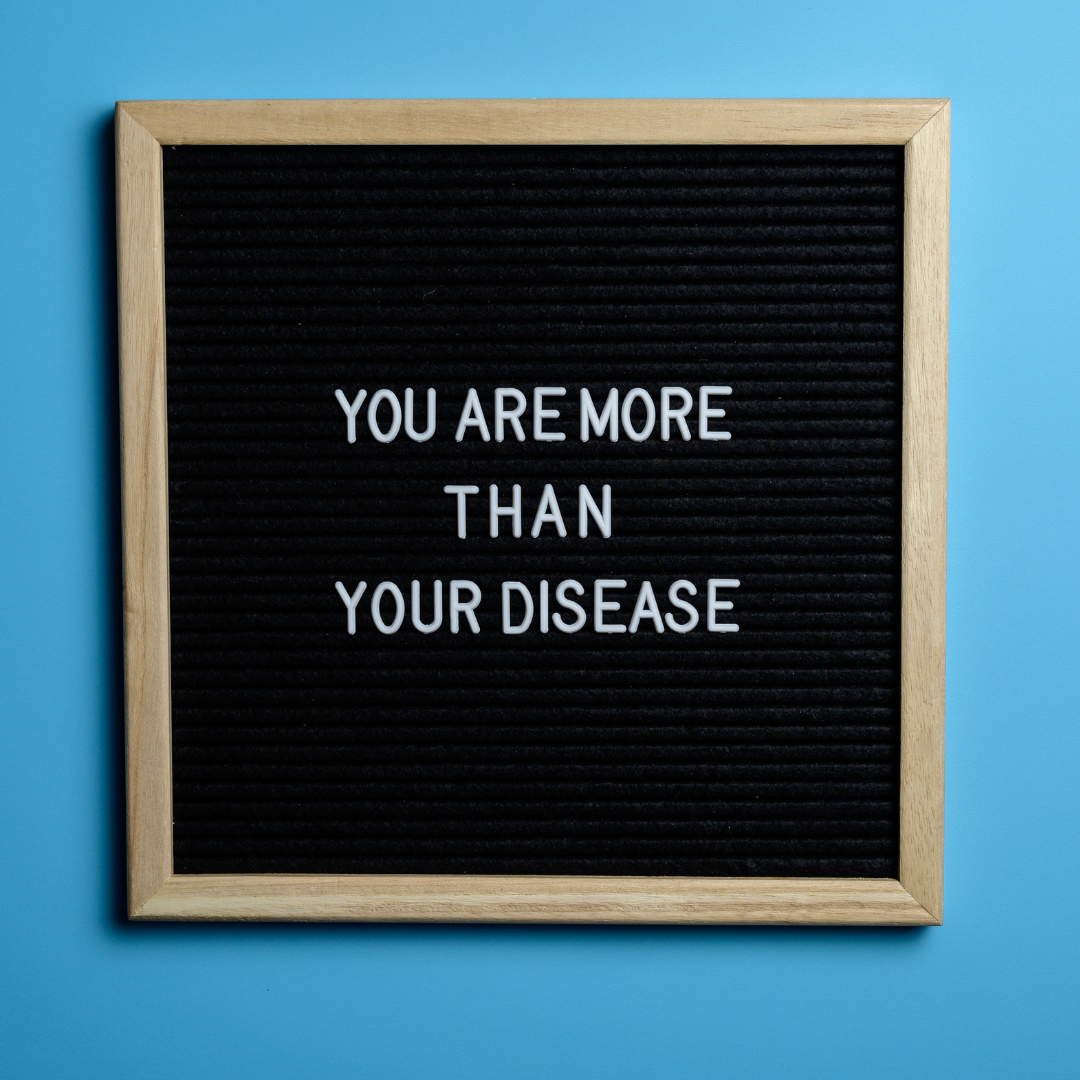
Administrative professionals are often the invisible force behind every successful organization. They manage schedules, support leadership teams, solve crises before anyone notices them, and keep workplaces functioning under intense pressure. Yet despite their essential role, the emotional and psychological toll of this work is rarely acknowledged.
Today’s workplace demands more than efficiency and organization. Administrative professionals are navigating constant interruptions, emotionally charged environments, staffing shortages, shifting priorities, and the expectation to always remain calm and composed. Over time, these pressures can lead to burnout, compassion fatigue, anxiety, and chronic stress.
The conversation around workplace resilience is changing—and it’s time administrative professionals are included.
The Hidden Emotional Labor of Administrative Work
Administrative professionals are frequently the first point of contact during workplace conflict, emergencies, or organizational change. They often absorb stress from executives, coworkers, clients, and customers while continuing to perform at a high level.
Many also carry personal experiences of adversity or trauma that can be intensified by workplace demands. Without support systems in place, stress accumulates quietly and can impact:
- Focus and productivity
- Workplace morale
- Communication and teamwork
- Employee retention
- Physical and emotional health
- Confidence and professional growth
Organizations that ignore these realities risk losing some of their most valuable employees.
Why Trauma-Informed Workplaces Matter
A trauma-informed workplace recognizes that people may be carrying invisible burdens and responds with empathy, communication, and practical support instead of judgment.
This approach does not lower standards or expectations. Instead, it strengthens workplace culture by helping people feel psychologically safe, respected, and valued.
Trauma-informed practices can include:
- Regular check-ins between leaders and staff
- Clear communication and realistic expectations
- Encouraging healthy boundaries and time off
- Providing access to mental health and wellness resources
- Training leaders to recognize signs of burnout and stress
- Building workplace cultures rooted in trust and respect
- Creating environments where asking for help is normalized
Signs an Administrative Professional May Be Experiencing Burnout
Burnout often develops slowly and silently. Common warning signs include:
- Emotional exhaustion
- Difficulty concentrating
- Increased irritability or withdrawal
- Feeling undervalued or invisible
- Physical fatigue or headaches
- Loss of motivation or creativity
- Trouble disconnecting from work
Recognizing these signs early can prevent long-term emotional and professional consequences.
Building Resilience in the Workplace
Resilience is not about “pushing through” exhaustion. True resilience comes from having systems, habits, and support that help people recover, adapt, and continue growing through challenges.
Practical resilience strategies include:
- Starting meetings with quick emotional check-ins
- Encouraging peer support and mentorship
- Taking short breaks throughout the workday
- Practicing clear and respectful communication
- Setting boundaries around after-hours work
- Creating opportunities for recognition and appreciation
- Prioritizing wellness as part of organizational culture
When administrative professionals feel supported, organizations become stronger, healthier, and more productive.
Leadership Has a Critical Role
Leaders set the emotional tone for the workplace. When leaders model empathy, healthy boundaries, and open communication, employees feel safer speaking honestly about stress and challenges.
Trauma-aware leadership helps organizations:
- Reduce turnover
- Improve morale and engagement
- Strengthen collaboration
- Increase retention and loyalty
- Build healthier workplace cultures
- Improve overall organizational performance
The future of work depends on organizations that recognize employees not just for what they produce—but for what they carry.
Final Thoughts
Administrative professionals are often the steady center during uncertainty and change. They deserve workplaces that support their wellbeing as intentionally as they support everyone else.
When organizations embrace trauma-informed leadership and resilience-building practices, they create cultures where people can thrive—not just survive.
The strongest workplaces are not the ones that ignore adversity. They are the ones willing to address it with honesty, compassion, and action.
25 Frequently Asked Questions Meeting Planners Ask About Booking Dr. Pamela J. Pine
1. What topics does Dr. Pamela J. Pine speak about?
Dr. Pine speaks on childhood trauma, ACEs (Adverse Childhood Experiences), trauma-informed leadership, resilience, workplace wellness, burnout prevention, public health, mental health awareness, and organizational transformation.
2. Who benefits most from Dr. Pine’s presentations?
Healthcare professionals, educators, HR leaders, nonprofits, government agencies, law enforcement, community organizations, corporate leaders, and associations benefit greatly from her presentations.
3. What makes Dr. Pine’s presentations unique?
Her presentations combine scientific research, real-world experience, storytelling, practical strategies, and actionable tools audiences can immediately apply.
4. Are Dr. Pine’s presentations evidence-based?
Yes. Her work is grounded in research on ACEs, trauma-informed care, resilience science, organizational psychology, and public health best practices.
5. Can sessions be customized for our audience?
Absolutely. Every keynote, workshop, or training can be tailored to your industry, conference theme, audience demographics, and organizational goals.
6. Does Dr. Pine offer keynote presentations?
Yes. She delivers keynote speeches for conferences, leadership summits, association meetings, healthcare events, educational institutions, and corporate gatherings.
7. What are Dr. Pine’s most requested speaking topics?
Popular topics include:
- What We ALL Need to Know About Childhood Trauma—and WHY!
- Healing Childhood Trauma: From ACEs to Empowerment
- Trauma-Informed Leadership
- Workplace Transformation Through Trauma Awareness
- The Link Between ACEs and Long-Term Health Outcomes
- Building Resilient Teams and Communities
8. Can Dr. Pine provide workshops or breakout sessions?
Yes. She offers interactive workshops, leadership trainings, breakout sessions, and full-day seminars.
9. Does she speak internationally?
Yes. Dr. Pine has worked with organizations and communities around the world.
10. Are virtual presentations available?
Yes. Virtual keynotes, webinars, and hybrid presentations are available.
11. How long are Dr. Pine’s presentations?
Sessions can range from 30-minute keynotes to multi-hour trainings or multi-day events.
12. Does Dr. Pine provide actionable takeaways?
Yes. Audiences leave with practical tools, strategies, and resources they can apply immediately.
13. Can Dr. Pine address workplace burnout and resilience?
Absolutely. Workplace resilience, psychological safety, and burnout prevention are central themes in many presentations.
14. What industries does Dr. Pine work with?
Healthcare, education, public health, government, nonprofits, hospitality, tourism, finance, construction, parks and recreation, public safety, and many others.
15. Is Dr. Pine’s content appropriate for leadership audiences?
Yes. Her presentations are especially valuable for executives, supervisors, managers, HR teams, and organizational leaders.
16. Does Dr. Pine discuss trauma without overwhelming audiences?
Yes. Her approach is educational, compassionate, practical, and empowering rather than graphic or retraumatizing.
17. Can presentations include audience engagement?
Yes. Sessions can include Q&A, discussion, reflection exercises, and interactive activities.
18. Does Dr. Pine provide continuing education-compatible content?
Many presentations can align with continuing education requirements depending on the organization or credentialing body.
19. What outcomes can organizations expect?
Organizations often report improved awareness, stronger communication, reduced stigma, increased empathy, and greater focus on employee wellbeing.
20. How far in advance should events be booked?
Booking several months in advance is recommended, especially for conferences and large events.
21. Does Dr. Pine offer leadership-specific trainings?
Yes. Trauma-informed leadership and resilient leadership are among her most requested training topics.
22. Can Dr. Pine speak to both professional and community audiences?
Yes. Her presentations are adaptable for professional conferences, public events, schools, nonprofits, and community groups.
23. What is the primary message of Dr. Pine’s work?
Healing, resilience, prevention, and trauma awareness can transform individuals, workplaces, schools, and communities.
24. Does Dr. Pine provide resources after presentations?
Yes. Depending on the event, supplemental materials, resources, and follow-up support may be available.
25. How can meeting planners inquire about availability?
Meeting planners can contact Dr. Pine directly through her professional website, speaker profile, or organizational contact channels to discuss availability, customization, and event goals.
SEO Keywords and Search Phrases
- childhood trauma speaker
- ACEs keynote speaker
- trauma-informed leadership speaker
- workplace resilience expert
- trauma-informed workplace training
- adverse childhood experiences presentation
- burnout prevention speaker
- resilience keynote speaker
- trauma-informed care expert
- psychological safety speaker
- workplace wellness keynote
- public health speaker
- leadership and resilience training
- trauma awareness workshop
- organizational resilience consultant