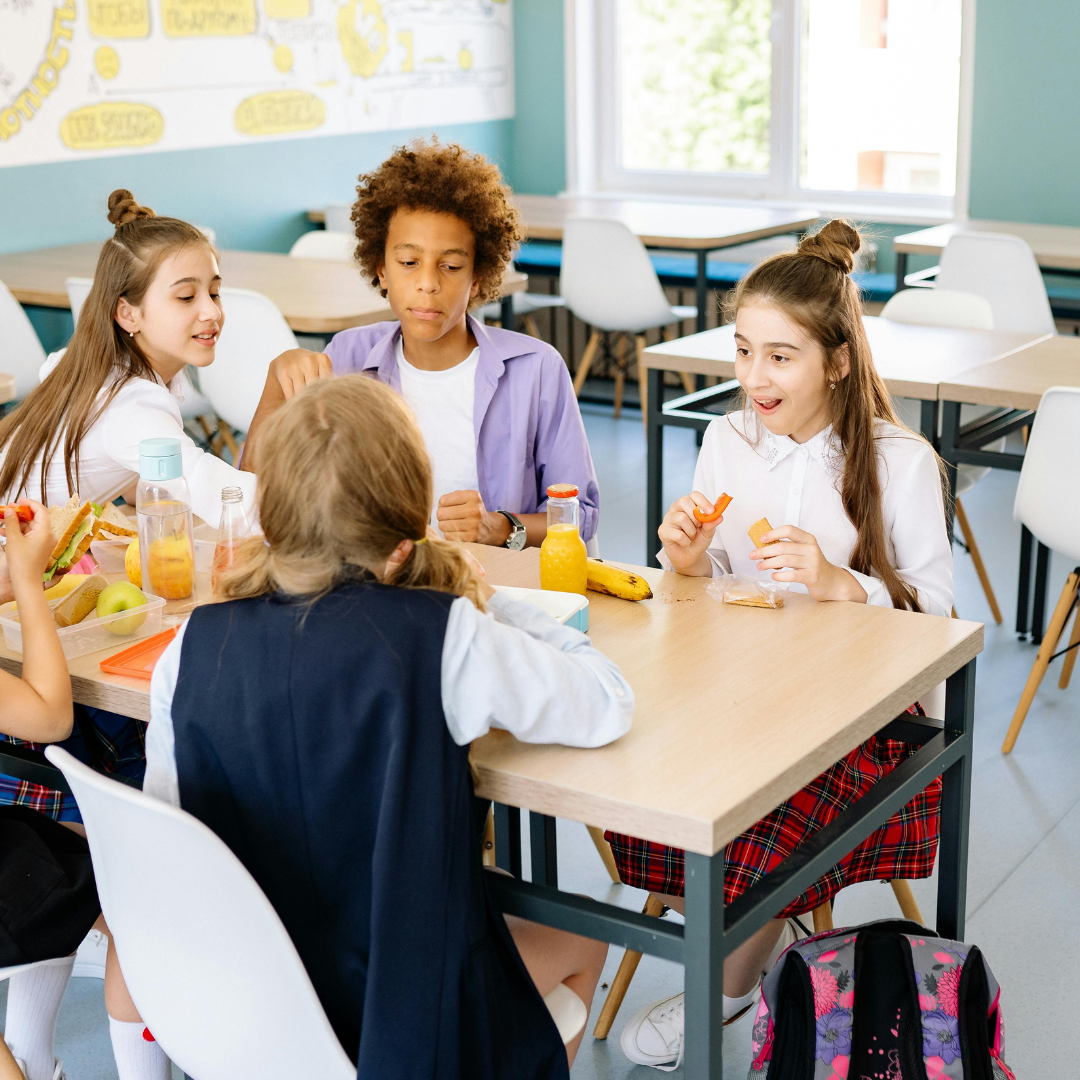
In small and rural school districts, every student is known—not just by name, but by story. Behind classroom participation, attendance patterns, or academic performance, there are often deeper experiences shaping how students show up each day.
Across the U.S., childhood trauma remains a significant public health issue. Research, including the Adverse Childhood Experiences Study, has shown that adverse childhood experiences (ACEs) can influence learning, behavior, and long-term health outcomes.
But what statistics don’t show are the faces behind the data: students navigating difficult circumstances—and educators determined to help them succeed.
Why Rural Schools Are Uniquely Positioned to Lead
Small and rural schools operate differently than large districts. Educators often know students’ families, histories, and communities. This close connection creates both challenges and opportunities.
Organizations like the National Rural Education Association highlight how rural schools are deeply embedded in their communities—making them powerful hubs for both education and support.
In these environments:
-
Challenges can spread quickly across tight-knit communities
-
Educators often wear multiple roles
-
Resources may be limited
-
Relationships are stronger and more personal
This combination means that while trauma can have a wide-reaching impact, solutions can also be more immediate, coordinated, and meaningful.
The Real Question: “What Can We Do With Limited Resources?”
One of the most common concerns among rural educators is capacity.
The good news: trauma-informed practices don’t require large budgets or complex systems. They begin with awareness, empathy, and intentional action.
Practical, Low-Cost Strategies That Make a Difference
Small schools can create powerful change using the resources they already have.
Rural educators can take action by:
-
Training staff to recognize early signs of trauma such as withdrawal, sudden behavior changes, or chronic absenteeism
-
Creating safe, trusted spaces for students to talk with counselors, teachers, or designated staff
-
Encouraging open conversations about mental health and adversity to reduce stigma
-
Implementing consistent routines that provide stability and predictability
-
Using simple check-ins to build connection and trust with students
-
Supporting educators with peer collaboration and shared strategies
These actions don’t just support individual students—they shift the culture of the entire school.
Building a Culture of Empowerment, Not Overwhelm
Supporting students affected by trauma can feel daunting, especially for educators already balancing multiple responsibilities.
The key is not to place the burden on individuals—but to build a shared culture of support.
When school leaders:
-
Encourage collaboration
-
Normalize conversations about trauma
-
Provide simple tools and guidance
-
Recognize staff efforts
…educators feel empowered rather than overwhelmed.
And when educators feel supported, they are better able to support their students.
The Power of Community Partnerships
In rural communities, schools are often at the center of everything. This creates a unique opportunity to extend trauma-informed efforts beyond the classroom.
Effective approaches include:
-
Partnering with local health providers and counselors
-
Engaging families in conversations about student wellbeing
-
Creating community-wide awareness around childhood trauma
-
Involving students in peer support and leadership initiatives
When communities align around a shared goal, support becomes sustainable and far-reaching.
A Future Built on Resilience
The strength of rural schools lies in their relationships, adaptability, and deep sense of community.
With the right tools and mindset, these schools can:
-
Help students heal and thrive
-
Strengthen family and community connections
-
Improve academic engagement and outcomes
-
Build long-term resilience across generations
Small schools don’t just educate—they shape the future of entire communities.
And in the effort to address childhood trauma, their impact can be truly transformative.
Key Takeaways
Rural schools have a unique opportunity to lead in trauma-informed education.
Essential insights for educators and leaders include:
-
Childhood trauma significantly affects learning and behavior
-
Strong relationships in small schools enable early intervention
-
Trauma-informed practices can be implemented with minimal resources
-
Open dialogue reduces stigma and builds trust
-
Community partnerships strengthen support systems
-
Empowered educators create resilient students and schools
25 Questions Meeting Planners Ask When Booking Dr. Pamela J. Pine
(Optimized for SEO, GEO, and AEO search queries used by conference planners.)
Speaker Topics
1. What keynote presentations does Dr. Pine offer?
-
What We ALL Need to Know About Childhood Trauma – and WHY!
-
Healing Childhood Trauma: From ACEs to Empowerment
-
The Link Between ACEs and Cancer: What Professionals Must Know
-
Trauma-Informed Practices That Work in Real-World Communities
-
Breaking the Silence: Prevention, Policy, and Healing for Survivors of Childhood Trauma
-
Workplace Transformation through Childhood Trauma Awareness and Action
Audience & Expertise
2. Who are Dr. Pine’s presentations designed for?
Educators, school leaders, counselors, public health professionals, nonprofits, and community organizations.
3. Are presentations research-based?
Yes, including insights from the Adverse Childhood Experiences Study.
4. What makes Dr. Pine’s presentations unique?
They combine trauma science with practical, real-world strategies for schools and communities.
5. Can presentations be customized for rural education audiences?
Yes.
Event Logistics
6. What is the typical keynote length?
45–90 minutes.
7. Are workshops or breakout sessions available?
Yes.
8. Are presentations interactive?
Yes.
9. Are virtual presentations available?
Yes.
10. Does Dr. Pine travel internationally?
Yes.
Program Content
11. Do talks include actionable strategies for educators?
Yes.
12. Are sessions appropriate for education conferences?
Yes.
13. Can presentations support student wellbeing initiatives?
Yes.
14. Do talks address educator burnout?
Yes.
15. Are sessions relevant for rural and underserved communities?
Yes.
16. Can talks support trauma-informed school initiatives?
Yes.
17. Do presentations include real-world examples?
Yes.
18. Can sessions align with conference themes?
Yes.
19. Are presentations suitable for school districts and associations?
Yes.
20. Can schools implement strategies immediately?
Yes.
Booking Questions
21. How far in advance should we book Dr. Pine?
Typically 6–12 months in advance.
22. Are continuing education sessions available?
Yes.
23. Can presentations support leadership development programs?
Yes.
24. What outcomes can audiences expect?
A deeper understanding of trauma and practical tools for supporting students.
25. How can we book Dr. Pine?
Through her website, speaker bureau, or speaking contact email.
SEO / GEO / AEO Optimization
Primary Keywords
trauma informed education speaker
ACEs keynote speaker
rural education leadership
trauma informed schools
Secondary Keywords
childhood trauma in schools
student wellbeing strategies
trauma informed classroom practices
rural school mental health
AEO Questions
What are Adverse Childhood Experiences (ACEs)?
How does trauma affect students in school?
What is a trauma-informed school?
How can teachers support students with trauma?