
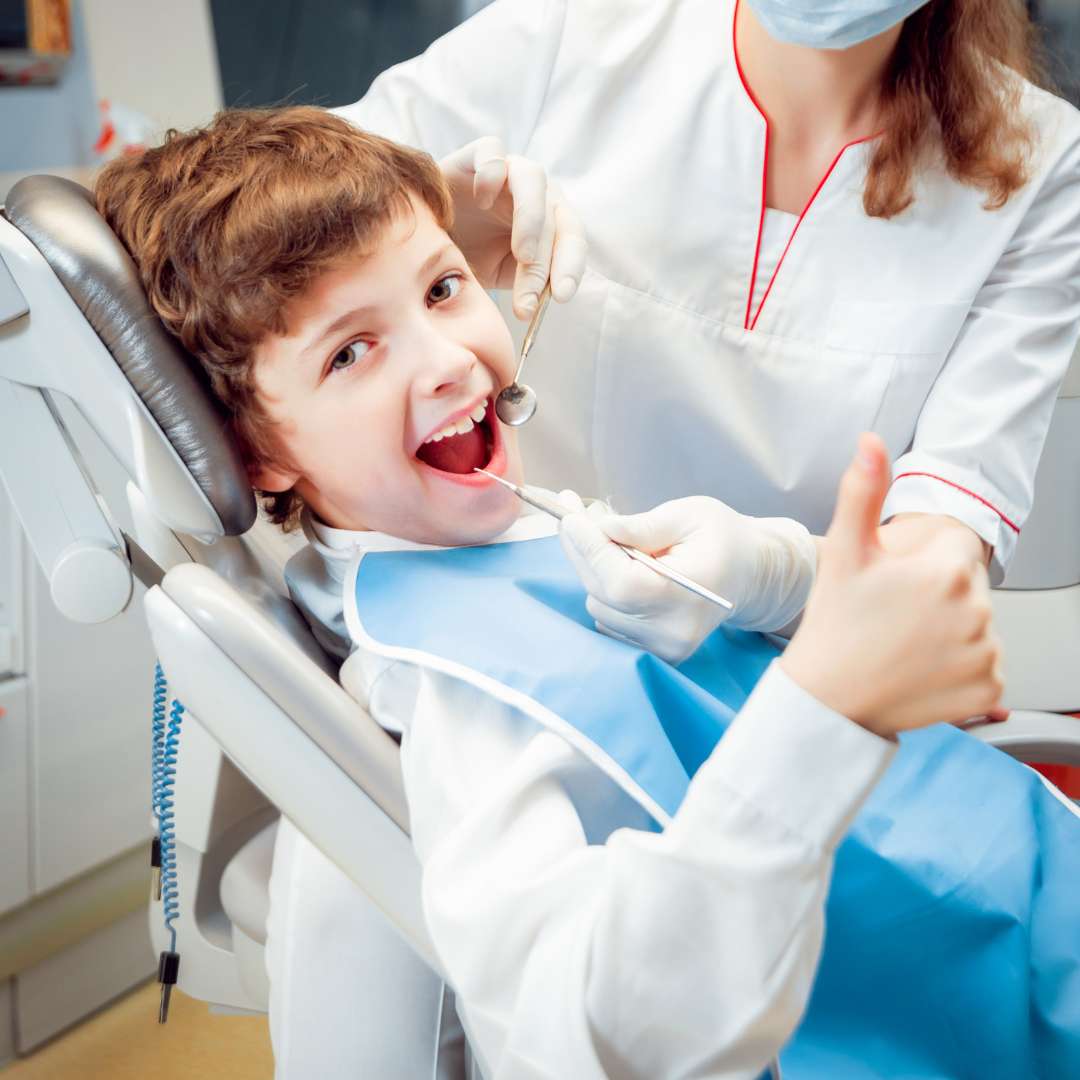
Every dental hygienist knows the feeling: a packed schedule, anxious patients, and the quiet exhaustion that lingers long after the last appointment.
It’s easy to point to the obvious pressures—staff shortages, evolving technology, tighter schedules. But beneath the surface lies something far more powerful and often overlooked: the impact of trauma—both in patients and providers.
The Hidden Layer of Burnout in Dental Hygiene
Dental professionals don’t just manage oral health—they manage human experience.
Patients arrive carrying more than dental concerns:
- Fear rooted in past painful procedures
- Anxiety tied to loss of control
- Trauma from medical or life experiences
At the same time, hygienists carry their own invisible load:
- Emotional fatigue from constant patient care
- Secondary trauma from repeated exposure to distress
- Pressure to perform with precision under stress
Over time, this builds into burnout that no scheduling fix alone can solve.
Seeing What Others Miss: Trauma in the Operatory
Trauma doesn’t always look dramatic. Often, it shows up in subtle, everyday ways:
- A patient who flinches at the sound of instruments
- Repeated missed or canceled appointments
- Resistance or “noncompliance” with care plans
- A colleague who becomes withdrawn or irritable
These are not just behavioral issues—they are signals of unmet needs and disrupted safety.
The Mindset Shift That Changes Everything
Trauma-informed care begins with one powerful question:
“What happened to this person?” instead of “What’s wrong with them?”
This shift transforms:
- Frustration into curiosity
- Judgment into empathy
- Disconnection into trust
And it doesn’t require becoming a therapist—it requires becoming more aware.
Practical Ways to Build Resilience in Dental Teams
Trauma-informed dental practices are not built overnight—but small, consistent actions make a big difference:
- Pause and self-check before challenging procedures
- Use calm, predictable communication with anxious patients
- Normalize team debriefs after difficult cases
- Create a culture where staff can ask for help without stigma
- Recognize early signs of burnout—in yourself and others
- Set healthy emotional and professional boundaries
What Happens When Teams Get This Right
The results are immediate—and measurable:
- Improved patient trust and cooperation
- Fewer missed appointments
- Stronger team communication
- Higher job satisfaction and retention
- Reduced burnout and emotional fatigue
Patients may not know the term “trauma-informed care,” but they feel it. And they come back because of it.
The Future of Dental Hygiene
There will always be long days and challenging patients.
But when trauma awareness becomes part of daily practice, something shifts.
Dental hygiene becomes more than clinical care—it becomes a space where:
- Patients feel safe
- Teams feel supported
- And professionals rediscover why they chose this work in the first place
Resilience doesn’t start with doing more. It starts with seeing more clearly.
Meeting Planner FAQ (25 Questions & Answers for Booking Dr. Pamela J. Pine)
1. What dental-specific topics does Dr. Pine cover?
Trauma-informed dental care, patient anxiety, provider burnout, resilience, and communication strategies.
2. Why is this topic relevant for dental conferences?
Rising burnout, patient fear, and workforce retention challenges make trauma awareness critical.
3. What makes her sessions stand out?
She bridges public health research with real-world, practical tools dental teams can use immediately.
4. Who benefits most from this session?
Dental hygienists, dentists, assistants, practice managers, and dental educators.
5. Are sessions tailored to dental audiences?
Yes—content is customized to reflect dental workflows and patient interactions.
6. What are key takeaways for attendees?
- Recognizing trauma signals
- Improving patient communication
- Reducing burnout
- Building resilient teams
7. Does she provide practical tools?
Yes—simple, actionable strategies that can be implemented right away.
8. Is this clinical or behavioral content?
Both—it connects behavioral science with clinical practice.
9. Can sessions be interactive?
Yes—discussion and reflection can be included.
10. What formats are available?
Keynotes, workshops, breakouts, and leadership sessions.
11. How long are presentations?
Typically 45–90 minutes, with optional extended workshops.
12. Does she address patient anxiety?
Yes—this is a core focus of her dental presentations.
13. Can she support workforce retention strategies?
Absolutely—resilience and retention are central themes.
14. Is the content evidence-based?
Yes—grounded in trauma science and public health research.
15. Can she align with conference themes?
Yes—sessions are fully customizable.
16. Does she offer virtual sessions?
Yes—virtual and hybrid formats are available.
17. What outcomes can planners expect?
Engaged audiences, actionable insights, and strong post-session feedback.
18. Does she address team dynamics?
Yes—communication and culture are key components.
19. Can she train leadership teams?
Yes—leadership-focused sessions are available.
20. What is her speaking style?
Engaging, relatable, and practical.
21. Does she provide follow-up resources?
Yes—tools and frameworks for continued learning.
22. Is this suitable for continuing education events?
Yes—content aligns well with professional development goals.
23. How far in advance should we book?
Ideally several months in advance.
24. Can content be adapted for different experience levels?
Yes—from students to seasoned professionals.
25. How do we book Dr. Pine?
Reach out to discuss your audience, goals, and event details.











Leave A Comment