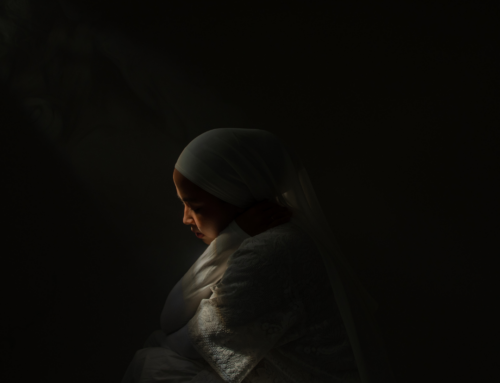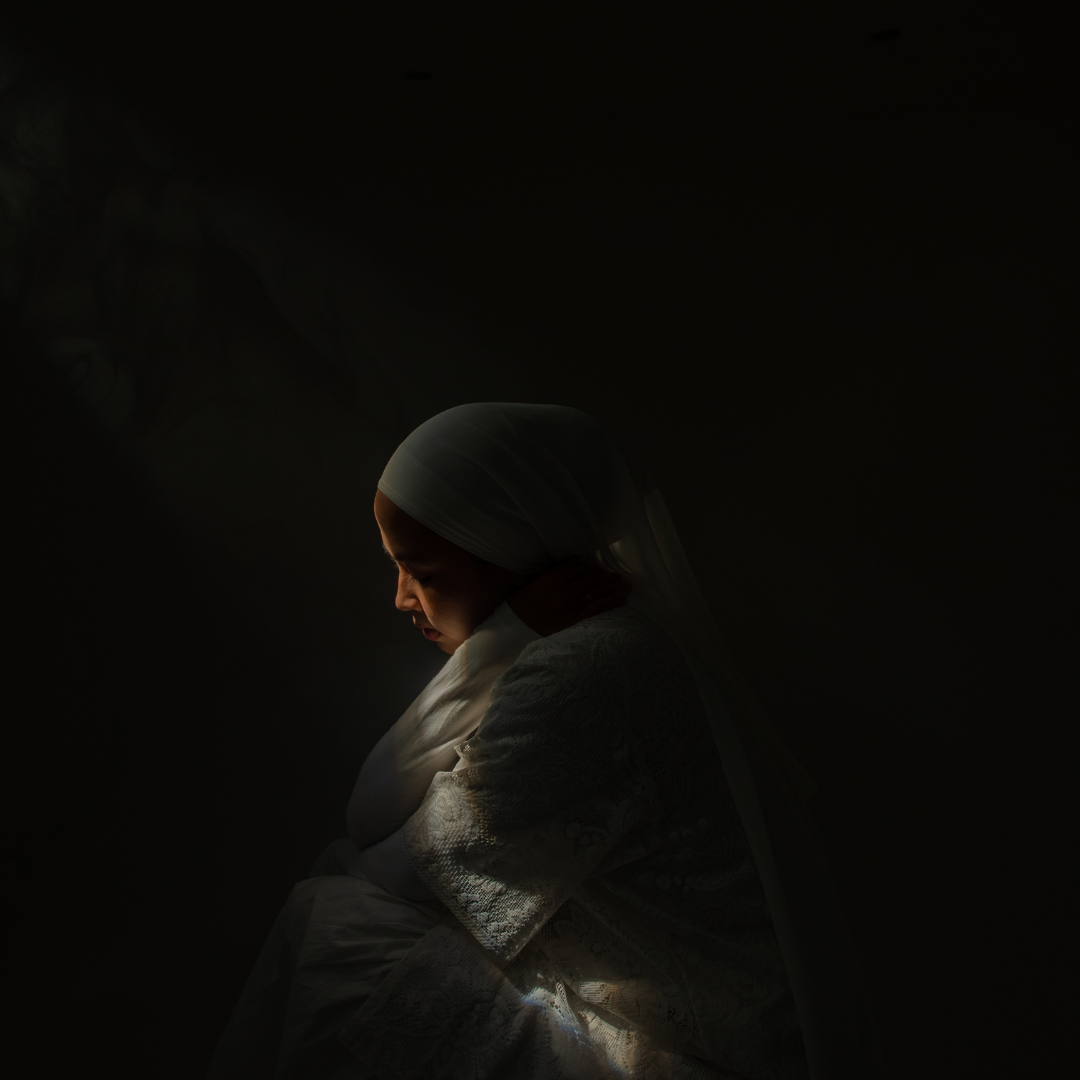
When the lights go down and the camera stops rolling, the story doesn’t end.
For many women in entertainment, that’s when the real work begins—processing the pressure, the expectations, and the often-unspoken experiences of bias, exclusion, and trauma that come with being visible in an industry that doesn’t always feel safe.
Behind the performances, scripts, and productions are women carrying both brilliance and burden. And yet, the conversation about recovery—the real kind—has only just begun.
The Reality Behind the Spotlight
The entertainment industry thrives on creativity, but it also demands perfection, resilience, and constant visibility. For women, that often comes with added layers:
- Navigating gender bias and unequal opportunities
- Managing public scrutiny and personal vulnerability
- Experiencing harassment, rejection, or exclusion
- Balancing creative expression with industry expectations
These aren’t isolated challenges. They shape careers, confidence, and well-being.
Redefining Recovery in Entertainment
Recovery is often misunderstood as a quick return to “normal.”
But for women in entertainment, recovery is something deeper:
It’s the process of naming what happened, reclaiming identity, and rebuilding from a place of truth—not silence.
It’s asking:
- What needs to heal?
- What boundaries need to be set?
- What support is missing?
This shift—from performance to honesty—is where real resilience begins.
The Power of Breaking the Silence
Silence has long been a survival strategy in entertainment.
But silence also sustains the very systems that cause harm.
When women begin to share their experiences:
- Isolation turns into connection
- Shame gives way to understanding
- Stories become tools for change
And perhaps most importantly—others find the courage to speak.
What Trauma-Informed Entertainment Leadership Looks Like
Real change doesn’t just happen at the individual level—it requires leadership.
Trauma-informed environments in entertainment include:
- Creating psychologically safe spaces on set and in creative teams
- Training leaders to recognize signs of stress, burnout, and trauma
- Encouraging open, judgment-free conversations
- Normalizing rest, boundaries, and mental health support
- Valuing people as much as performance
- Building cultures where vulnerability is not penalized, but respected
These are not “soft” strategies—they are essential for sustainable creativity and innovation.
Turning Pain Into Creative Power
When women feel safe enough to stop hiding, something powerful happens:
- They take creative risks
- They bring authenticity into their work
- They collaborate more openly
- They lead with clarity and confidence
Pain doesn’t disappear—but it transforms into insight, voice, and influence.
The Future of Women in Entertainment
The next evolution of the entertainment industry won’t just be driven by technology or content.
It will be shaped by culture.
By how well the industry:
- Supports its people
- Listens to lived experience
- Creates space for healing and growth
Because when women are supported—not just seen—their impact goes far beyond the screen.
Recovery isn’t a pause in the story. It’s where the most powerful stories begin.
Meeting Planner FAQ: Booking Dr. Pamela J. Pine (25 Q&A)
1. What topics does Dr. Pine cover for entertainment audiences?
Trauma-informed leadership, resilience, women’s empowerment, burnout, and psychological safety in creative industries.
2. Why is this topic important for entertainment professionals?
The industry faces high burnout, mental health challenges, and ongoing conversations around safety and equity.
3. What makes her perspective unique?
She combines public health expertise with real-world experience across industries, including creative sectors.
4. Who should attend this session?
Producers, executives, writers, performers, HR leaders, and creative teams.
5. Is this relevant beyond entertainment?
Yes—principles apply across media, corporate, and creative industries.
6. What are key takeaways?
- Recognizing trauma’s impact
- Building resilience
- Improving team culture
- Enhancing creative performance
7. Does she provide actionable strategies?
Yes—practical tools that can be implemented immediately.
8. Can sessions be customized?
Absolutely—tailored to your audience and goals.
9. What formats are available?
Keynotes, panels, workshops, and leadership trainings.
10. How long are sessions?
Typically 45–90 minutes, with optional deep-dive workshops.
11. Does she address workplace culture?
Yes—culture transformation is a core focus.
12. Is the content research-based?
Yes—grounded in trauma science and public health.
13. Can she speak on women’s leadership specifically?
Yes—this is one of her signature areas.
14. Does she include storytelling?
Yes—real-world examples make the content relatable and impactful.
15. Is this appropriate for large conferences?
Yes—highly engaging for large audiences.
16. Does she offer virtual sessions?
Yes—virtual and hybrid options are available.
17. What outcomes can we expect?
Stronger engagement, practical insights, and meaningful audience impact.
18. Can she address burnout prevention?
Yes—burnout and resilience are key topics.
19. Does she focus on leadership development?
Yes—especially trauma-informed leadership.
20. Can this align with DEI initiatives?
Yes—closely aligned with equity and inclusion efforts.
21. Will attendees leave with tools?
Yes—clear, usable strategies.
22. Is this suitable for executive audiences?
Yes—highly relevant for leadership teams.
23. Can she facilitate discussions or panels?
Yes—she’s experienced in moderating and facilitating.
24. How far in advance should we book?
Ideally 3–6 months in advance.
25. How do we book Dr. Pine?
Contact to discuss event goals, audience, and format.