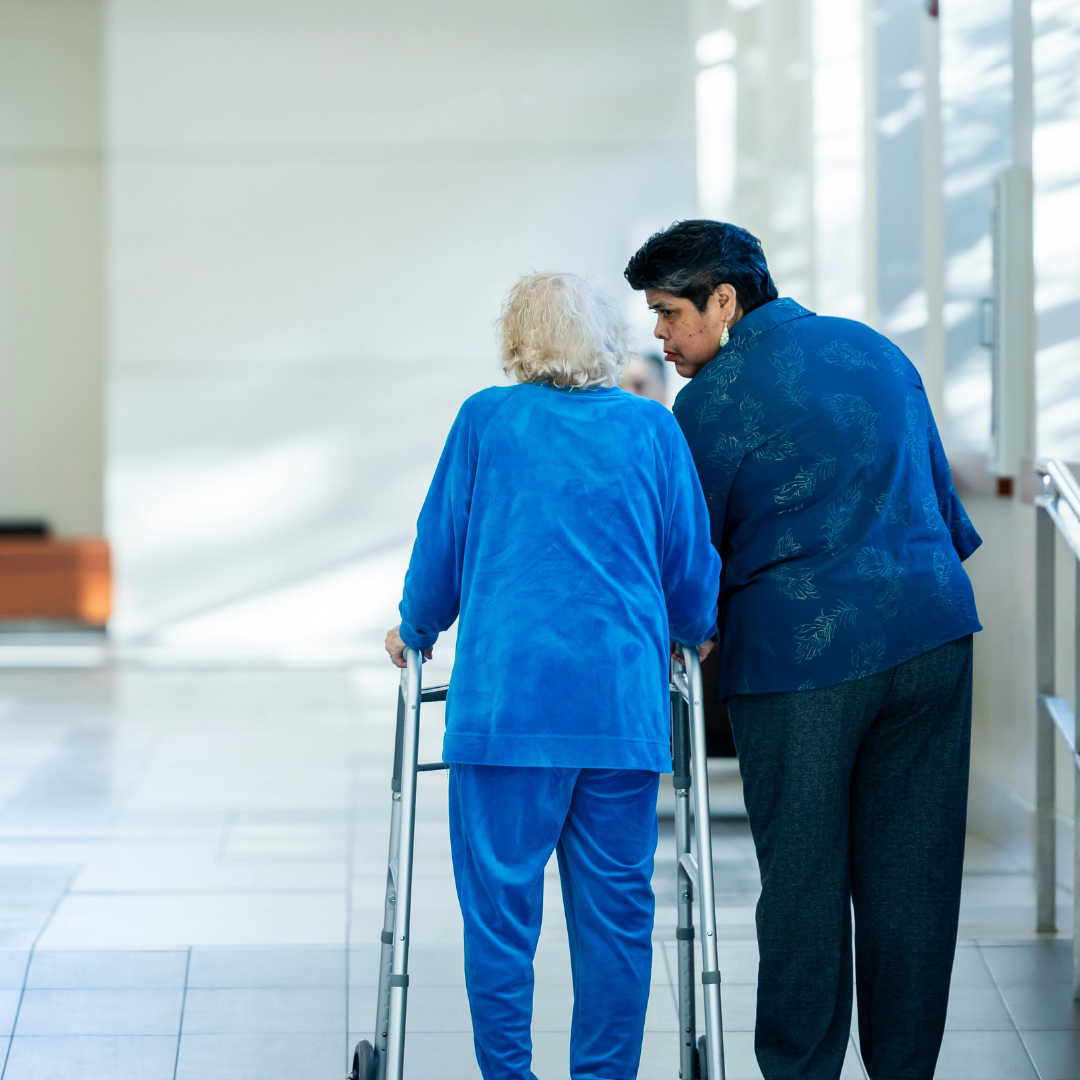
In geriatric healthcare, compassion is the currency.
Every day, nurses, aides, physicians, and support staff show up for patients navigating aging, illness, and end-of-life transitions. They build relationships that go far beyond clinical care—offering dignity, comfort, and human connection.
But behind that compassion lies a quieter reality:
Caregivers are carrying more than their workload. They’re carrying emotional weight.
The Hidden Cost of Caring
Geriatric care is uniquely demanding:
- Frequent exposure to loss and grief
- Emotional conversations with families
- Long-term relationships with patients
- High expectations for both clinical and emotional care
Over time, this creates a cumulative burden—one that doesn’t show up on charts but impacts performance, morale, and retention.
When Burnout Becomes the Norm
Burnout in geriatric healthcare doesn’t happen overnight.
It shows up as:
- Emotional exhaustion
- Reduced empathy
- Increased errors or disengagement
- Staff turnover
And when caregivers struggle, patient care inevitably suffers.
Why Traditional Approaches Fall Short
Most organizations focus on:
- Clinical outcomes
- Efficiency metrics
- Compliance and protocols
All important—but incomplete.
What’s often missing is a focus on the emotional sustainability of the workforce.
The Case for Trauma-Informed Leadership
Trauma-informed care isn’t just for patients.
It’s a leadership approach that recognizes:
- Caregivers experience stress and secondary trauma
- Emotional responses are normal—not weaknesses
- Support systems are essential for long-term performance
This isn’t about turning clinicians into therapists.
It’s about giving them tools to stay resilient in emotionally demanding work.
What Resilient Geriatric Care Teams Do Differently
High-performing teams embed simple, consistent practices:
- Regular peer check-ins to normalize conversations about stress
- Post-shift or post-loss debriefs to process difficult moments
- Leadership visibility and approachability
- Recognition of emotional labor—not just clinical output
- Clear pathways for support (mental health, peer networks, etc.)
- Training to recognize signs of burnout and fatigue
- Protected time for rest and reset when possible
These aren’t large-scale overhauls—they’re small, repeatable habits.
The Power of Small Moments
Resilience is built in everyday actions:
- A supervisor asking, “How are you holding up?”
- A team pausing after a patient loss
- A colleague stepping in to help during a tough shift
These moments create a culture where people feel:
- Seen
- Supported
- Safe to speak up
Better Care Starts with Supported Caregivers
When caregivers feel supported:
- Patient satisfaction improves
- Communication strengthens
- Errors decrease
- Teams collaborate more effectively
The link is direct: Healthy teams deliver better care.
Retention, Morale, and the Bottom Line
Healthcare organizations are facing staffing shortages and retention challenges.
Investing in caregiver well-being leads to:
- Lower turnover
- Higher engagement
- Stronger team cohesion
And ultimately, more sustainable systems of care.
From Compassion Fatigue to Sustainable Compassion
Compassion doesn’t have to run out.
With the right systems in place, it becomes renewable.
Trauma-informed practices help caregivers:
- Process stress
- Set boundaries
- Stay connected to purpose
Final Thought
If we want to elevate geriatric healthcare, we need to rethink where care begins.
It doesn’t start with protocols.
It starts with people.
Because when we care for the caregiver,
we protect the quality, dignity, and humanity of care itself.
Meeting Planner FAQ (25 Q&A for Booking Dr. Pamela J. Pine)
1. What is the focus of this keynote?
Caregiver resilience, burnout prevention, and trauma-informed leadership in geriatric healthcare.
2. Who is the ideal audience?
Nurses, aides, physicians, administrators, and senior care leaders.
3. Why is this topic critical now?
Burnout and workforce shortages are at crisis levels in healthcare.
4. What makes this session different?
It focuses on practical, human-centered solutions—not just theory.
5. What will attendees learn?
- How to recognize burnout and secondary trauma
- Strategies to support caregivers
- Tools for building resilient teams
- Leadership approaches that improve retention
6. Is the session actionable?
Yes—immediate tools and strategies are provided.
7. Can it be customized?
Yes—for hospitals, long-term care, and senior living organizations.
8. What formats are available?
Keynotes, workshops, leadership trainings.
9. How long is the session?
45–90 minutes.
10. Is it interactive?
Yes—can include discussion and real-world examples.
11. Does it address staff retention?
Yes—core focus.
12. Will it help reduce burnout?
Yes—through practical interventions.
13. Is it relevant for leadership?
Highly relevant—especially for managers and executives.
14. Does it apply to frontline staff?
Yes—designed with caregivers in mind.
15. Does it improve patient outcomes?
Yes—indirectly through stronger, healthier teams.
16. Can it align with conference themes?
Yes—healthcare, leadership, workforce, patient care.
17. Are virtual sessions available?
Yes.
18. Is it evidence-informed?
Yes—based on public health and trauma research.
19. Does it include real-world examples?
Yes—practical and relatable.
20. Can it support culture change?
Yes—ideal for long-term transformation.
21. What industries benefit?
Hospitals, long-term care, hospice, home health.
22. Are tools provided?
Yes—frameworks and actionable steps.
23. How far in advance should we book?
3–6 months recommended.
24. What outcomes can we expect?
Improved morale, retention, and team performance.
25. How do we book Dr. Pine?
Reach out to align on audience and event goals.