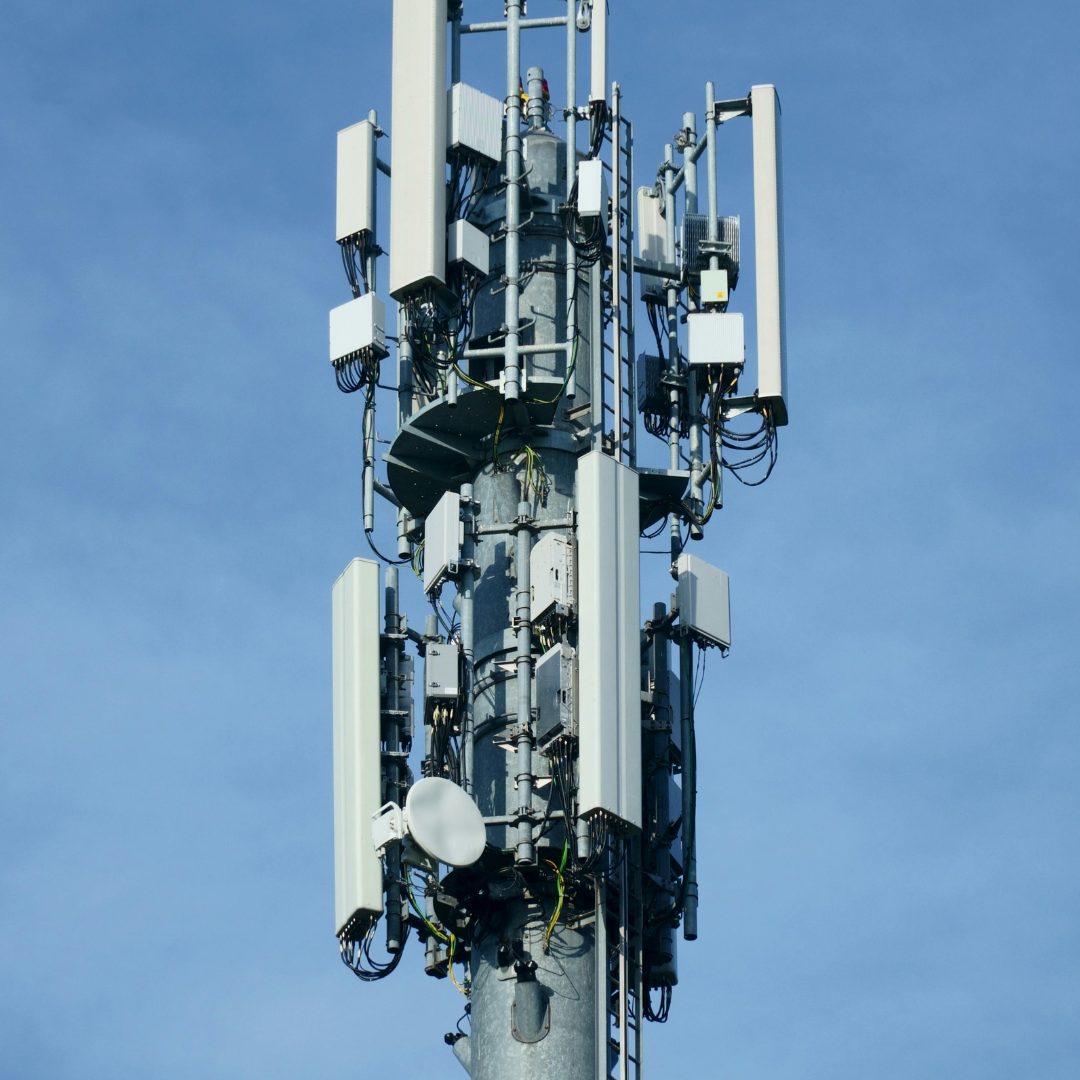
In today’s world, public sector telecommunications teams are expected to keep communities connected no matter what happens—natural disasters, cyber threats, infrastructure failures, staffing shortages, or rising public expectations. Behind every network upgrade, emergency dispatch system, and communication rollout are people carrying enormous responsibility.
Yet the hidden challenge in telecommunications is not only technical complexity. It is the emotional and psychological toll that constant pressure places on leaders, engineers, field crews, and support teams.
The future of telecom resilience depends as much on human wellbeing as it does on bandwidth and infrastructure.
The Invisible Pressure Facing Telecom Teams
Telecommunications professionals often work in environments where:
- Downtime is unacceptable
- Emergencies require immediate response
- Public scrutiny is constant
- Technology changes rapidly
- Staffing shortages stretch teams thin
- Critical systems must remain operational around the clock
Over time, these conditions can lead to chronic stress, emotional exhaustion, and burnout.
Many leaders focus heavily on operational continuity while unintentionally overlooking the human cost of sustained pressure.
Why Resilience Is a Strategic Priority
Resilience is not about ignoring stress or simply “working harder.”
True resilience involves building systems, leadership habits, and workplace cultures that help people recover, adapt, and remain engaged during ongoing challenges.
Resilient telecom teams are more likely to:
- Communicate effectively under pressure
- Solve problems collaboratively
- Adapt to rapid operational changes
- Maintain stronger morale
- Reduce costly turnover
- Build greater public trust
Organizations that support their people often perform better during crises because teams remain focused, connected, and responsive.
The Role of Trauma-Informed Leadership
Trauma-informed leadership recognizes that stress, adversity, and burnout influence performance, communication, and decision-making.
In telecommunications environments, this approach may include:
- Routine team check-ins
- Open conversations about stress and workload
- Clear communication during emergencies
- Peer support systems
- Leadership training on burnout recognition
- Encouraging healthy boundaries and recovery time
- Creating psychologically safe workplaces
These practices are not “soft skills.” They are operational strengths that improve stability, retention, and performance.
Psychological Safety Improves Team Performance
When employees feel psychologically safe, they are more likely to:
- Report potential problems early
- Ask for help before issues escalate
- Share ideas and solutions
- Support coworkers during difficult periods
- Communicate openly during emergencies
In high-pressure telecom environments, silence can become a risk factor. Teams that feel heard and supported are better equipped to handle fast-moving situations.
Warning Signs Leaders Should Watch For
Telecom leaders should pay attention to signs that employees may be struggling, including:
- Withdrawal from team communication
- Increased irritability or conflict
- Missed details or declining focus
- Fatigue and emotional exhaustion
- Reduced morale or motivation
- Higher absenteeism
- Increased turnover intentions
Recognizing these signals early allows leaders to intervene before burnout affects performance or retention.
Small Changes Can Make a Big Difference
Organizations do not need massive overhauls to begin building resilience.
Practical steps include:
- Starting meetings with brief check-ins
- Creating space for honest dialogue
- Clarifying expectations during stressful periods
- Encouraging breaks and recovery time
- Providing access to mental health resources
- Recognizing employee contributions consistently
- Training supervisors in trauma-aware communication
Small cultural shifts often create lasting improvements in morale and engagement.
The Future of Telecommunications Depends on People
Technology will continue evolving. Infrastructure will continue expanding. Public demands will continue increasing.
But none of it works without resilient people behind the systems.
The strongest telecom organizations will be the ones that invest not only in networks and equipment, but also in trust, wellbeing, leadership, and human connection.
Because staying connected is ultimately about more than technology.
It is about people supporting people—especially when the pressure is highest.
Key Takeaways
- Telecom professionals face significant stress and operational pressure
- Burnout can affect communication, morale, and performance
- Resilience helps teams adapt and recover during ongoing challenges
- Trauma-informed leadership improves retention and trust
- Psychological safety strengthens collaboration and crisis response
- Human wellbeing is essential for long-term telecommunications success
Frequently Asked Questions (FAQs)
Why is resilience important in telecommunications?
Telecommunications professionals work in high-pressure environments where emergencies, constant change, and public expectations create ongoing stress. Resilience helps teams stay effective and connected.
What is trauma-informed leadership?
Trauma-informed leadership recognizes how stress and adversity affect people and focuses on building supportive, psychologically safe workplace cultures.
How does burnout affect telecom organizations?
Burnout can reduce focus, increase turnover, lower morale, and negatively impact communication and service delivery.
What is psychological safety?
Psychological safety means employees feel safe speaking up, asking questions, and reporting concerns without fear of blame or punishment.
How can telecom leaders reduce workplace stress?
Leaders can encourage open communication, provide regular check-ins, clarify expectations, and normalize conversations about wellbeing.
What are common signs of burnout in telecom teams?
Signs include exhaustion, withdrawal, irritability, reduced motivation, absenteeism, and communication breakdowns.
Why do high-pressure industries need trauma-aware leadership?
High-pressure environments increase the risk of chronic stress and emotional fatigue. Trauma-aware leadership helps teams remain healthy and effective.
Can resilience improve operational performance?
Yes. Resilient teams often communicate better, adapt faster, and perform more effectively during crises.
How can organizations support telecom employees?
Organizations can provide mental health resources, resilience training, peer support systems, and leadership development focused on wellbeing.
Why is human wellbeing important for infrastructure reliability?
Reliable infrastructure depends on focused, engaged, and healthy teams capable of responding effectively under pressure.