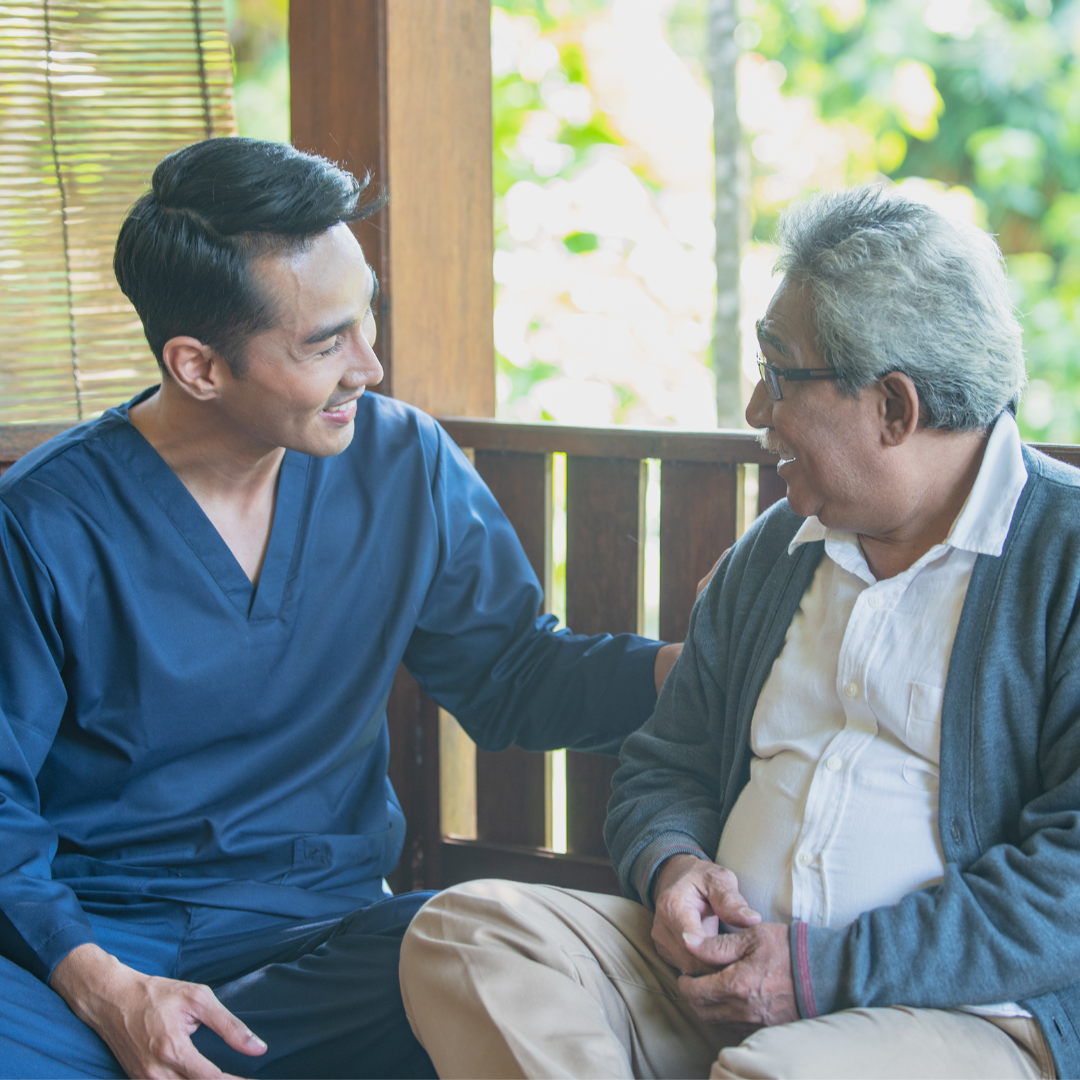
Every day, home care and hospice professionals walk into some of life’s most vulnerable moments. They support families through illness, uncertainty, grief, recovery, and transition—often forming deep emotional connections with the people they serve.
But while the healthcare system rightly focuses on patient outcomes, another truth deserves equal attention: caregiver wellbeing directly shapes the quality and sustainability of care.
Behind every compassionate visit, every difficult conversation, and every late-night call is a workforce carrying tremendous emotional responsibility. And without meaningful support, even the most dedicated teams can experience burnout, compassion fatigue, and emotional exhaustion.
The Emotional Reality of Home Care and Hospice Work
Unlike many clinical environments, home care professionals work in deeply personal spaces. They witness family dynamics, grief, chronic illness, loneliness, and end-of-life experiences firsthand.
At the same time, they are balancing:
- Heavy caseloads and staffing shortages
- Emotional attachment to patients and families
- Long hours and unpredictable schedules
- Administrative and documentation demands
- The pressure to remain compassionate under stress
- Repeated exposure to illness, decline, and loss
Over time, this emotional labor accumulates.
Burnout in home care is not simply about being tired—it is about the gradual erosion of emotional energy, connection, and resilience.
Why Resilience Matters in Caregiving
Resilience is not about ignoring difficult emotions or “toughing it out.” In caregiving professions, resilience means creating systems and cultures where people can process stress, recover emotionally, and continue doing meaningful work without sacrificing their own wellbeing.
Resilient care teams are more likely to:
- Communicate effectively during stressful situations
- Support one another through emotionally difficult cases
- Maintain compassion without emotional shutdown
- Build stronger trust with patients and families
- Stay engaged and committed to the profession
- Deliver more consistent, high-quality care
Caregiver wellbeing is patient care.
Trauma-Informed Leadership Changes Workplace Culture
The strongest home care and hospice organizations understand that emotional support cannot be treated as an afterthought.
Trauma-informed leadership means recognizing how chronic stress, grief, and emotional strain affect communication, performance, morale, and retention. It creates workplace cultures where people feel psychologically safe enough to ask for support before reaching a breaking point.
Practical trauma-informed leadership strategies include:
- Regular team check-ins and emotional debriefs
- Peer support and mentorship opportunities
- Open conversations about burnout and stress
- Clear communication and realistic expectations
- Access to mental health and wellness resources
- Leadership that models empathy and emotional honesty
These are not “soft” practices—they are operational strategies that improve retention, morale, and care quality.
Small Moments of Connection Matter
In fast-moving care environments, small moments often make the greatest difference.
Five-minute huddles before shifts. A supervisor asking, “How are you really doing?” A peer offering support after a difficult patient loss. These moments build trust, reduce isolation, and remind staff they are not carrying the emotional burden alone.
Organizations that prioritize connection often see:
- Lower staff turnover
- Stronger teamwork and morale
- Increased employee engagement
- Better communication with patients and families
- Greater workforce stability
People stay where they feel valued.
The Future of Sustainable Home Care
As the demand for home care and hospice services continues to grow, workforce sustainability is becoming one of the industry’s greatest challenges.
The organizations that thrive in the future will not simply be the ones with the latest technology or fastest growth. They will be the ones that understand a fundamental truth:
You cannot sustain compassionate care without caring for the caregivers.
When leaders invest in resilience, emotional wellbeing, and trauma-informed workplace culture, teams become stronger, more connected, and better equipped to provide the care patients and families deserve.
Because at the heart of every healing experience is a care team that feels supported enough to keep showing up—with compassion, skill, and humanity.
Key Takeaways for Home Care and Hospice Leaders
- Caregiver wellbeing directly impacts patient care quality
- Burnout and compassion fatigue affect communication, retention, and morale
- Home care professionals face significant emotional labor and stress
- Trauma-informed leadership strengthens workforce resilience
- Psychological safety supports healthier teams and better outcomes
- Small moments of connection reduce isolation and emotional exhaustion
- Resilience improves workforce sustainability and engagement
- Caring for staff is essential to sustaining compassionate care
25 Frequently Asked Questions Meeting Planners Ask About Booking Dr. Pamela J. Pine
1. What is your keynote presentation about?
My presentations focus on resilience, trauma-informed leadership, burnout prevention, and workforce wellbeing in healthcare and caregiving professions.
2. Why is resilience important in home care and hospice?
Care professionals experience ongoing emotional stress, compassion fatigue, and repeated exposure to grief and crisis situations.
3. Who benefits from your presentations?
Home care professionals, hospice teams, nurses, administrators, social workers, care coordinators, healthcare executives, and leadership teams.
4. Is your content evidence-based?
Yes. My work integrates trauma science, resilience research, public health expertise, and workforce wellbeing strategies.
5. Can presentations be customized for healthcare organizations?
Absolutely. Sessions are tailored to home care, hospice, caregiving, nursing, leadership, and healthcare conference audiences.
6. What workplace challenges do you address?
Burnout, compassion fatigue, workforce retention, communication stress, trauma-informed care, and emotional exhaustion.
7. How does burnout affect patient care?
Burnout can reduce communication quality, emotional presence, collaboration, and patient trust.
8. What is trauma-informed leadership?
It is a leadership approach that recognizes how stress and adversity affect workplace culture, communication, and employee wellbeing.
9. Why is psychological safety important for care teams?
Psychological safety allows staff to communicate openly, ask for help, and support one another effectively.
10. What practical tools do attendees receive?
Attendees receive actionable strategies for resilience, communication, emotional regulation, and team support.
11. Do you offer workshops as well as keynote presentations?
Yes. Interactive workshops and breakout sessions are available.
12. Can resilience improve staff retention?
Yes. Organizations prioritizing wellbeing often experience stronger retention and employee engagement.
13. What are signs of burnout in caregivers?
Fatigue, emotional withdrawal, irritability, reduced empathy, disengagement, and chronic stress.
14. Are virtual presentations available?
Yes. Virtual and hybrid presentation formats are available.
15. How can leaders better support caregiving staff?
Through regular check-ins, realistic expectations, peer support systems, and trauma-informed leadership practices.
16. Why are caregiving professions experiencing high burnout rates?
Heavy emotional labor, staffing shortages, administrative demands, and chronic stress all contribute.
17. Is your presentation relevant for leadership audiences?
Absolutely. Leadership culture is essential to workforce resilience and retention.
18. Can trauma-informed practices improve team culture?
Yes. They strengthen communication, trust, empathy, and collaboration.
19. Do you discuss compassion fatigue?
Yes. Compassion fatigue is a major focus in caregiving and healthcare resilience work.
20. How does resilience strengthen patient-centered care?
Supported teams provide more compassionate, attentive, and consistent care experiences.
21. What makes your approach unique?
I connect emotional wellbeing directly to workforce sustainability, patient experience, and organizational performance.
22. Can your presentations support workforce development goals?
Yes. My work aligns closely with retention, engagement, leadership development, and wellbeing initiatives.
23. What is the biggest takeaway for attendees?
That sustainable care requires sustainable caregivers.
24. How do resilient teams improve organizational outcomes?
They strengthen communication, morale, adaptability, retention, and patient trust.
25. Why should organizations book you?
Because I provide practical, research-informed strategies that help organizations strengthen resilience, improve workforce culture, and sustain compassionate care.