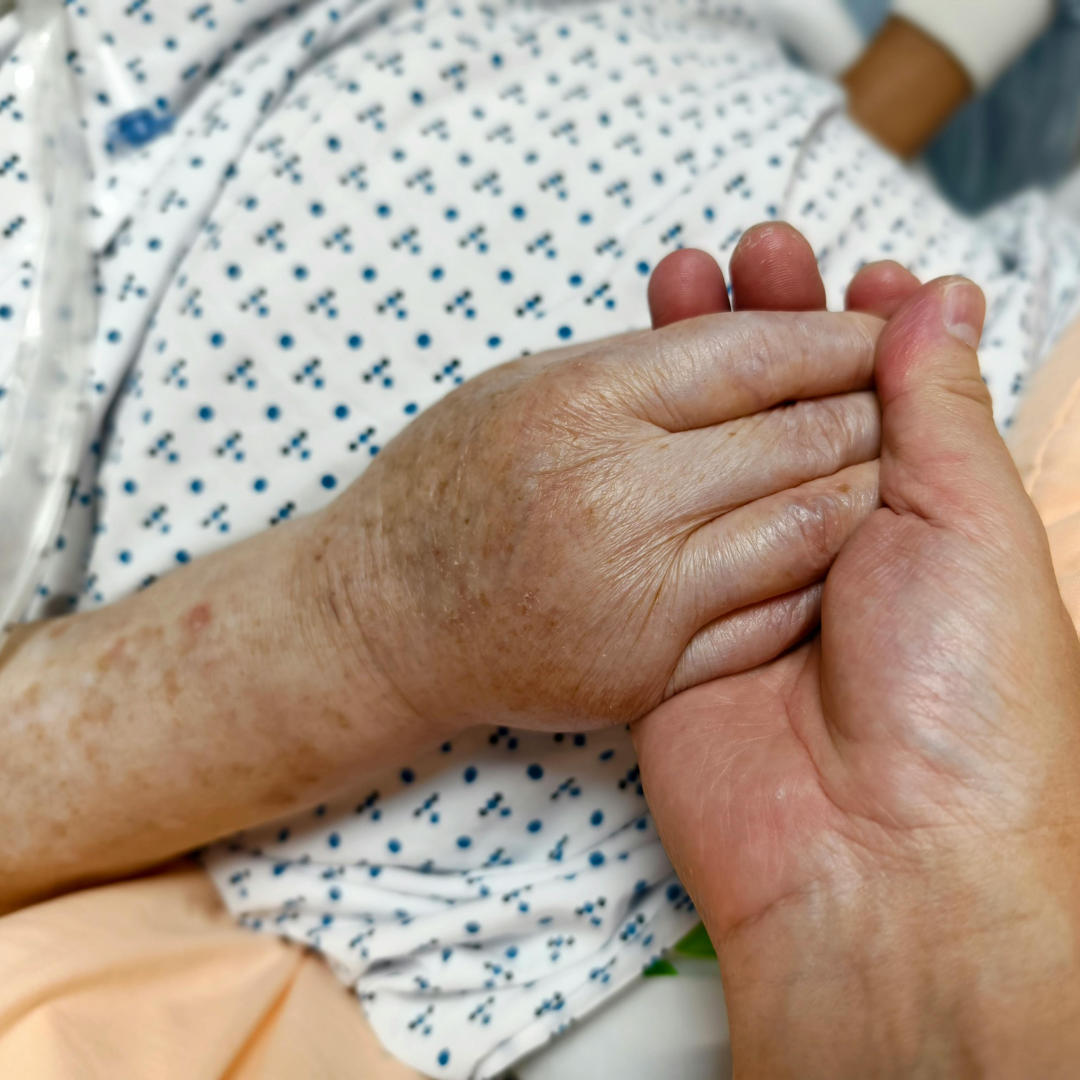
Childhood trauma doesn’t stay in the past.
It shows up every day in healthcare settings—often unrecognized, often misunderstood.
In clinics and hospitals, it can look like:
- Chronic illness without clear cause
- Missed appointments
- Patient disengagement
- Staff burnout
The truth is simple but powerful:
Trauma is a public health issue—and healthcare systems are on the front lines.
The Widespread Impact of Trauma
Research on Adverse Childhood Experiences (ACEs) shows that early adversity is linked to:
- Long-term physical health conditions
- Mental health challenges
- Behavioral and social outcomes
- Increased healthcare utilization
These effects ripple through families, communities, and healthcare systems.
Why Trauma-Informed Care Matters
Traditional healthcare models often ask:
“What’s wrong with this patient?”
Trauma-informed care shifts the question to:
“What happened—and how can we support healing?”
This shift transforms:
- Patient relationships
- Clinical outcomes
- Staff engagement
The Hidden Toll on Healthcare Teams
It’s not just patients who are affected.
Healthcare professionals experience:
- Secondary trauma
- Emotional exhaustion
- Burnout from continuous high-stress environments
Without support, this leads to:
- Workforce turnover
- Reduced quality of care
- Organizational strain
What Trauma-Informed Healthcare Looks Like
Trauma-informed care is not a single program.
It’s a cultural shift that includes:
- Recognizing trauma signs in patients and staff
- Creating safe, respectful care environments
- Building trust through communication
- Protecting patient dignity and privacy
- Supporting staff well-being consistently
Practical Steps That Make a Difference
Healthcare organizations don’t need to start from scratch.
Small, consistent actions drive meaningful change:
- Integrate open-ended, patient-centered questions
- Build regular staff check-ins and debriefs
- Introduce trauma screening with sensitivity
- Provide training for all levels of staff
- Normalize conversations about stress and burnout
- Establish peer support systems
The Results: Better Outcomes for Everyone
Organizations that adopt trauma-informed practices see:
- Improved patient adherence
- Stronger provider-patient trust
- Reduced staff burnout
- Higher retention rates
- More effective care delivery
A Collaborative Path Forward
No single provider or clinic can solve this alone.
But healthcare networks can lead by:
- Sharing best practices
- Supporting peer learning
- Embedding trauma awareness into daily operations
Why This Matters Now
Communities everywhere are navigating:
- Public health challenges
- Economic stress
- Lingering effects of crisis and disruption
Trauma-informed care provides a framework for healing at scale.
Final Thought
Breaking the cycle of trauma doesn’t require perfection.
It starts with:
- Awareness
- Conversation
- Action
Because every moment of understanding—every patient who feels seen, every staff member who feels supported—moves us closer to healthier communities.
Meeting Planner FAQ (25 Q&A for Booking Dr. Pamela J. Pine)
1. What is the focus of this keynote?
Trauma-informed care and its impact on healthcare systems and communities.
2. Who should attend?
Healthcare leaders, clinicians, administrators, public health professionals.
3. Why is this topic important?
Trauma affects patient outcomes, staff well-being, and system performance.
4. What will attendees learn?
- How trauma impacts health and behavior
- Practical trauma-informed strategies
- Ways to reduce burnout
- Tools to improve patient engagement
5. Is the session practical?
Yes—highly actionable.
6. Can it be customized?
Yes—for healthcare systems, clinics, and networks.
7. What formats are available?
Keynotes, workshops, leadership sessions.
8. How long is the session?
45–90 minutes.
9. Is it interactive?
Yes, if requested.
10. Does it address burnout?
Yes—core focus.
11. Is it relevant for clinicians?
Highly relevant.
12. Does it include trauma-informed practices?
Yes.
13. Is it suitable for healthcare conferences?
Yes.
14. Can it align with conference themes?
Yes—patient care, workforce development, public health.
15. Are virtual sessions available?
Yes.
16. Is it research-based?
Yes—public health and clinical evidence.
17. Does it include real-world examples?
Yes.
18. Can it improve patient outcomes?
Yes.
19. Does it support leadership development?
Yes.
20. What outcomes can attendees expect?
Improved care quality, stronger teams, better engagement.
21. Does it address community health?
Yes.
22. What sectors benefit?
Hospitals, clinics, public health agencies, nonprofits.
23. Does it address staff trauma?
Yes.
24. How far in advance should we book?
3–6 months recommended.
25. How do we book Dr. Pine?
Contact to discuss your event and audience needs.