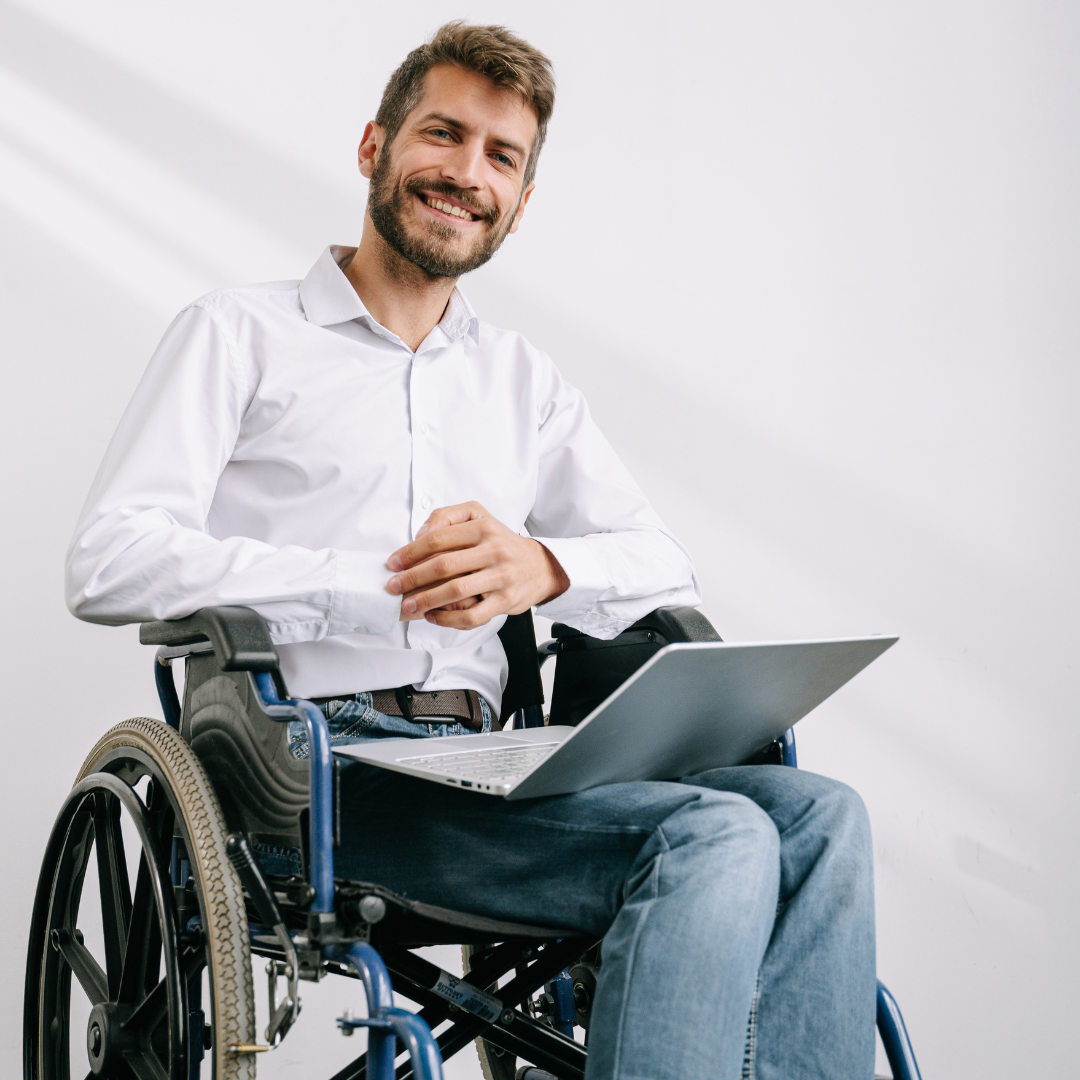
Advocacy is often described as empowerment.
But for many people with disabilities and their families, it can feel overwhelming—especially when layered with lived experiences of exclusion, discrimination, and trauma.
Because advocacy isn’t just about policy.
It’s about people navigating systems that weren’t designed for them.
The Reality Behind Advocacy Work
For disability communities, advocacy often involves:
- Navigating complex systems
- Facing repeated barriers
- Managing emotional exhaustion
- Carrying personal and collective trauma
These challenges can make even the most committed advocates feel:
- Silenced
- Isolated
- Burned out
Why Trauma-Informed Advocacy Matters
Trauma-informed advocacy acknowledges a critical truth:
Past experiences shape how people engage, speak up, and persist.
Instead of asking:
“Why isn’t this person more involved?”
We ask:
“What has this person experienced—and how can we support them?”
This shift changes everything.
Understanding Trauma in Disability Communities
Trauma may stem from:
- Systemic exclusion
- Discrimination and bias
- Medical or institutional experiences
- Social isolation
Over time, trauma can:
- Reduce confidence
- Limit participation
- Impact communication and trust
The Power of a Trauma-Informed Approach
When advocacy spaces become trauma-informed, they:
- Create safer environments for participation
- Encourage authentic voices
- Build trust among advocates and organizations
- Support long-term engagement
What Trauma-Informed Advocacy Looks Like
It doesn’t require perfection or major overhauls.
It starts with:
- Listening without judgment
- Normalizing different ways of showing up
- Creating accessible and inclusive environments
- Building time for reflection and connection
- Recognizing emotional labor
- Providing peer and community support
Small Actions, Big Impact
Real change often begins with small steps:
- A parent requesting an accommodation
- A self-advocate sharing their story
- A team checking in after a difficult meeting
- An organization adapting its approach to inclusion
These moments build confidence—and momentum.
Building Resilient Advocacy Communities
Resilient advocacy is not about being loud or perfect.
It’s about:
- Consistency
- Connection
- Courage
When individuals feel supported:
- Participation increases
- Leadership grows
- Communities strengthen
The Role of Organizations and Leaders
Leaders can transform advocacy spaces by:
- Modeling empathy and openness
- Creating psychologically safe environments
- Providing training on trauma awareness
- Supporting advocates beyond the moment of engagement
Why This Matters Now
Inclusion efforts are evolving.
But without addressing trauma, progress can stall.
Trauma-informed advocacy ensures that:
everyone has the opportunity to participate—not just those who feel safe enough to speak up.
Final Thought
Advocacy is not a single moment.
It’s a journey.
And when we acknowledge the realities people carry, we create space for something powerful:
Communities that don’t just include—but truly support and uplift.
That’s how lasting change happens.
Meeting Planner FAQ (25 Q&A for Booking Dr. Pamela J. Pine)
1. What is the focus of this keynote?
Trauma-informed advocacy and resilience in disability communities.
2. Who should attend?
Advocates, nonprofit leaders, disability professionals, policymakers, educators.
3. Why is this topic important?
Trauma impacts participation, engagement, and long-term advocacy success.
4. What will attendees learn?
- How trauma affects advocacy
- Strategies to support inclusive participation
- Tools to build resilient advocacy communities
- Ways to reduce burnout among advocates
5. Is the session practical?
Yes—highly actionable.
6. Can it be customized?
Yes—for conferences, organizations, and community groups.
7. What formats are available?
Keynotes, workshops, panels.
8. How long is the session?
45–90 minutes.
9. Is it interactive?
Yes, if requested.
10. Does it address burnout?
Yes—core focus.
11. Is it relevant for families?
Yes.
12. Does it include trauma-informed practices?
Yes.
13. Is it suitable for advocacy conferences?
Yes.
14. Can it align with conference themes?
Yes—inclusion, equity, leadership, community impact.
15. Are virtual sessions available?
Yes.
16. Is it research-based?
Yes—public health and lived experience.
17. Does it include real-world examples?
Yes.
18. Can it improve engagement?
Yes.
19. Does it support leadership development?
Yes.
20. What outcomes can attendees expect?
Stronger advocacy, increased participation, better collaboration.
21. Does it address systemic barriers?
Yes.
22. What sectors benefit?
Nonprofits, education, healthcare, government.
23. Does it address emotional labor?
Yes.
24. How far in advance should we book?
3–6 months recommended.
25. How do we book Dr. Pine?
Contact to discuss your event and audience.