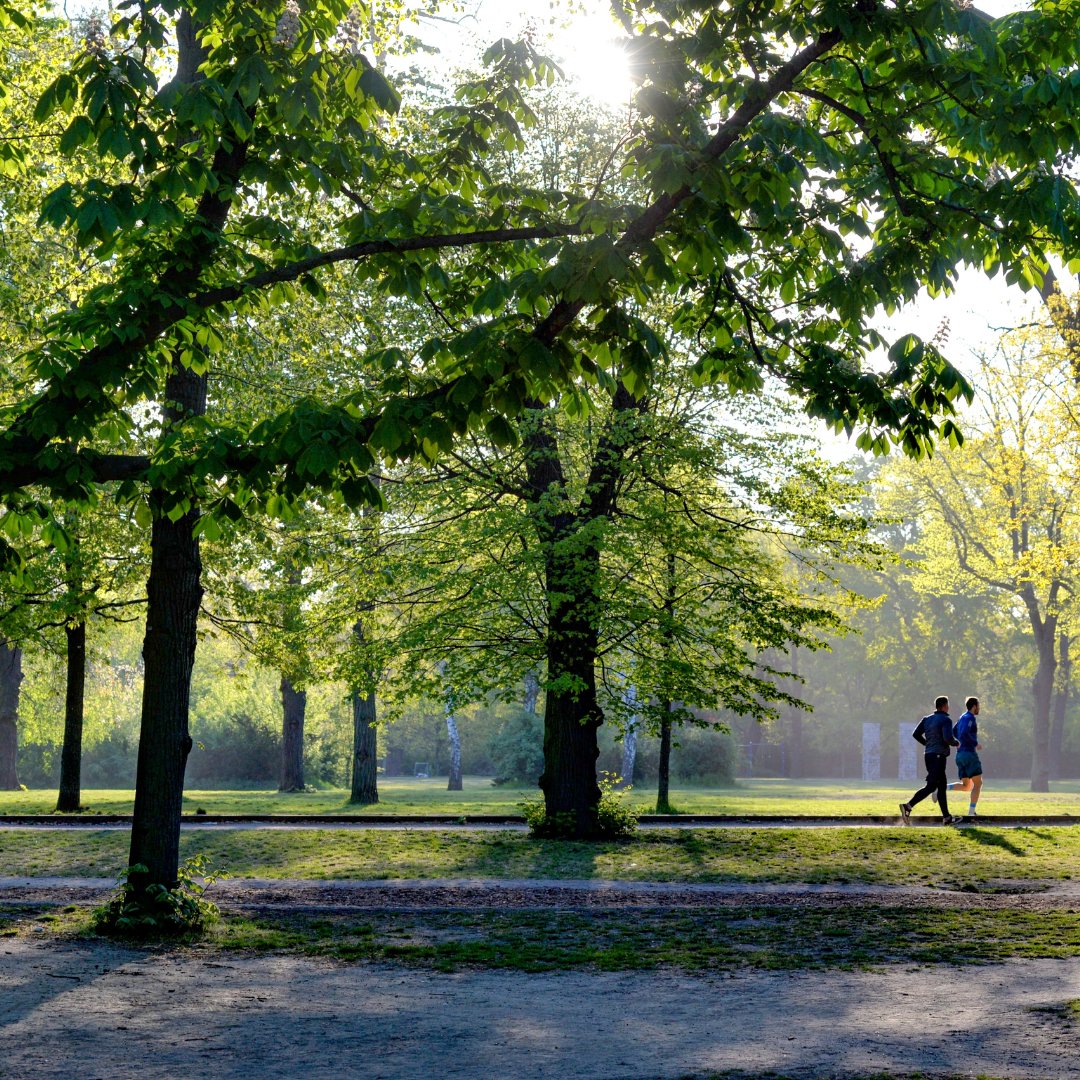
Parks have always been places where communities gather, children play, families reconnect, and people seek peace in the middle of busy lives. But for many individuals, stepping into a public park is not always simple. Invisible experiences—trauma, exclusion, fear, grief, or past adversity—can shape whether someone feels safe enough to fully participate in community spaces.
That reality is reshaping how we think about parks and recreation.
Today, the future of parks is not just about amenities, programming, or infrastructure. It’s about creating spaces where people feel emotionally safe, welcomed, and connected.
Parks Are More Than Green Spaces
Public parks serve as:
- Community gathering spaces
- Wellness and recreation hubs
- Emergency response locations
- Youth development centers
- Places for healing and restoration
During times of crisis—natural disasters, public health emergencies, community violence, or social isolation—parks often become lifelines.
Yet trauma and chronic stress affect how people interact with these spaces.
Some individuals may:
- Avoid crowded areas
- Feel unsafe in unfamiliar environments
- Struggle with trust or social connection
- Experience anxiety in public settings
- Feel excluded because of past experiences or systemic inequities
If parks are truly for everyone, these realities must be part of the conversation.
What Is a Trauma-Informed Park?
A trauma-informed park is not defined by one program or policy.
It is an approach that recognizes how adversity and stress affect people’s experiences and interactions with public spaces.
Trauma-informed parks prioritize:
- Emotional and physical safety
- Inclusion and accessibility
- Community voice and participation
- Trust-building
- Staff awareness and empathy
- Opportunities for connection and healing
The goal is not to “fix” people.
The goal is to create environments where people feel respected, supported, and welcomed.
Why Trauma Awareness Matters in Parks and Recreation
Parks professionals often encounter community members dealing with:
- Social isolation
- Childhood adversity
- Homelessness
- Mental health challenges
- Community violence
- Economic stress
- Grief and loss
Without trauma awareness, behaviors may be misunderstood as:
- Defiance
- Disengagement
- Disrespect
- Lack of interest
But many reactions are rooted in experiences that remain unseen.
Trauma-informed leadership encourages staff to ask:
- “What might this person be carrying?”
- “How can we reduce barriers to participation?”
- “What makes this environment feel welcoming or unwelcoming?”
These questions help shift park culture from reactive to supportive.
Small Changes Can Make Parks More Welcoming
Trauma-informed parks do not require massive budgets or complete redesigns.
Often, the most meaningful changes are simple and intentional.
Practical Strategies Include:
- Clear and welcoming signage
- Consistent staff greetings
- Staff training on trauma awareness and de-escalation
- Quiet or sensory-friendly spaces
- Community listening sessions
- Inclusive programming
- Partnerships with local wellness organizations
- Opportunities for peer connection and mentorship
Even small gestures can help build trust and belonging.
Community Voice Must Be Central
One of the most important parts of trauma-informed practice is listening to people who may not traditionally feel included.
That means asking:
- Who is missing from our programs?
- Who feels unwelcome here?
- What barriers exist that we may not see?
Communities thrive when residents feel their voices matter.
When parks invite participation from underrepresented groups, survivors, youth, elders, and marginalized communities, they become stronger, safer, and more connected spaces.
Parks as Spaces for Healing and Resilience
Research consistently shows that access to green space supports:
- Stress reduction
- Improved mental health
- Physical well-being
- Social connection
- Emotional resilience
But healing does not happen automatically.
Healing happens when people feel safe enough to engage.
Programs that combine:
- Art
- Nature
- Movement
- Storytelling
- Peer support
- Cultural connection
can help communities rebuild trust and resilience together.
Supporting Parks Staff Matters Too
Parks and recreation professionals are often supporting communities during difficult moments while carrying stress themselves.
Burnout in parks and recreation is increasingly common due to:
- Staffing shortages
- Community demands
- Crisis response responsibilities
- Emotional labor
- Budget pressures
Trauma-informed organizations support staff through:
- Regular team check-ins
- Wellness resources
- Psychological safety
- Peer support systems
- Leadership development
- Open conversations about stress and burnout
Healthy teams create healthier communities.
The Future of Parks Is Human-Centered
The next generation of parks and recreation leadership must go beyond infrastructure and programming alone.
It must focus on:
- Emotional safety
- Equity and belonging
- Community resilience
- Trauma awareness
- Human connection
Because parks are not simply landscapes.
They are places where communities process grief, celebrate joy, rebuild trust, and rediscover belonging.
When we design parks with healing in mind, we create more than recreation spaces.
We create living invitations for every person to feel seen, valued, and welcome.
SEO Keywords
- trauma-informed parks
- parks and recreation leadership
- healing public spaces
- trauma-informed communities
- psychological safety in parks
- inclusive park design
- community resilience
- parks and mental health
- trauma-aware recreation programs
- public space accessibility
Suggested Meta Title
Healing Parks: Why Trauma-Informed Public Spaces Matter for Communities
Suggested Meta Description
Discover how trauma-informed parks and recreation strategies create safer, more inclusive public spaces that promote healing, resilience, and community connection.