
Industrial decarbonization conversations often focus on metrics: carbon reduction targets, renewable thermal systems, emissions reporting, and sustainability benchmarks.
But there is another impact story happening beneath the data.
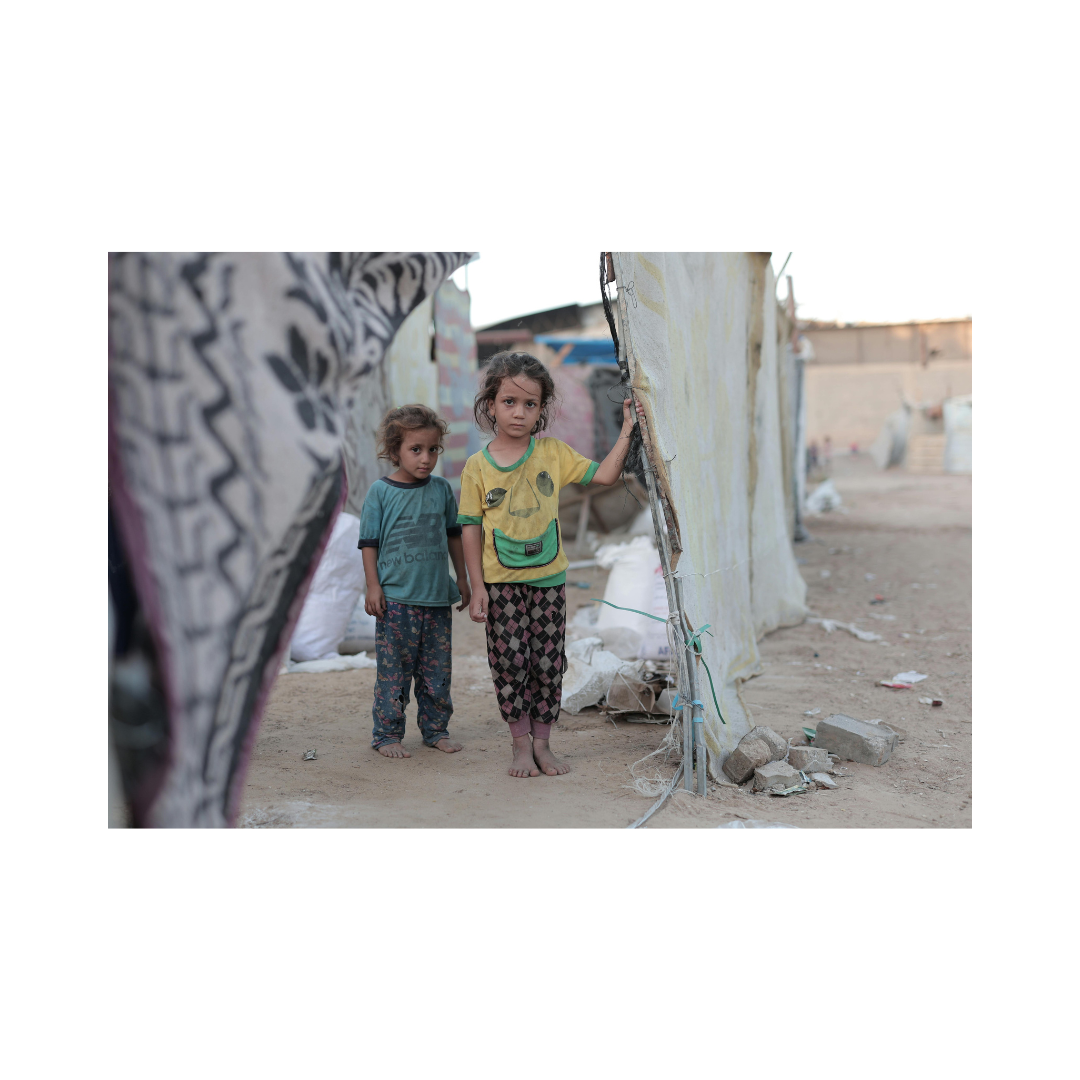
It is happening in neighborhoods located near industrial facilities. In homes where children struggle with asthma. In families carrying the financial and emotional strain of chronic illness. In communities where environmental stress compounds existing adversity.
And increasingly, public health science suggests these conditions may contribute to the lifelong burden of Adverse Childhood Experiences (ACEs).
What Are ACEs — and Why Do They Matter?
Adverse Childhood Experiences (ACEs) are potentially traumatic events experienced before age 18, including:
- Abuse
- Neglect
- Household violence
- Parental substance misuse
- Community violence
- Chronic instability and toxic stress
The landmark CDC-Kaiser Permanente ACE Study transformed public health by demonstrating that childhood adversity affects lifelong physical health, mental health, educational outcomes, and even economic stability.
Research consistently shows that chronic stress during childhood alters:
- Brain development
- Stress-response systems
- Immune function
- Emotional regulation
- Long-term disease vulnerability
The Missing Conversation in Industrial Sustainability
Communities near industrial operations often experience disproportionate environmental burdens, including exposure to:
- Particulate matter
- Nitrogen oxides
- Combustion byproducts
- Heat-related environmental stressors
- Air quality degradation
These environmental stressors can contribute to:
- Respiratory illness
- Sleep disruption
- School absenteeism
- Financial stress for families
- Chronic anxiety and instability
When those conditions persist over time, they create environments where toxic stress becomes normalized.
Six Critical Realities Industrial Leaders Need to Understand
1. Environmental Stress Is Also Human Stress
Pollution exposure affects more than lungs. It affects nervous systems, emotional wellbeing, and family stability.
2. Childhood Health and Community Resilience Are Connected
Children who experience chronic illness often face educational and emotional challenges that persist into adulthood.
3. Environmental Burdens Are Not Distributed Equally
Low-income communities and communities of color disproportionately experience environmental exposure risks.
4. Industrial Sustainability Is Also a Public Health Strategy
Reducing emissions may improve not only environmental outcomes, but long-term human outcomes.
5. Trauma Prevention Is Broader Than Clinical Care
Preventing toxic stress includes improving the physical and environmental conditions where children live.
6. ESG and Sustainability Conversations Must Include Human Impact
Environmental, Social, and Governance (ESG) strategies become more meaningful when organizations consider childhood wellbeing and community resilience.
Why This Matters for Corporate Leadership
Forward-thinking organizations increasingly recognize that sustainability is not only about compliance or public image.
It is about:
- Workforce wellbeing
- Community trust
- Public health outcomes
- Long-term economic resilience
- Ethical leadership
Industrial and institutional leaders who understand the relationship between environmental conditions and human development are better positioned to build sustainable partnerships with the communities they serve.
Trauma-Informed Sustainability: A New Leadership Framework
Trauma-informed leadership is often discussed in healthcare, education, and workplace culture.
But it also belongs in environmental decision-making.
A trauma-informed sustainability framework asks:
- How do environmental decisions affect children?
- Which communities carry the heaviest burdens?
- What stressors are being reduced — or intensified?
- How can organizations build healthier environments across generations?
These are not abstract questions. They are public health questions with measurable human consequences.
The Child Missing From the Boardroom
Behind every emissions reduction target is a child whose future may be shaped by the decisions leaders make today.
Cleaner air may mean:
- Better sleep
- Fewer emergency room visits
- Reduced family stress
- Improved school attendance
- Lower chronic stress exposure
- Greater long-term resilience
The science of ACEs reminds us that early life conditions shape everything that follows.
The children living near industrial operations may never attend sustainability conferences or sit in corporate boardrooms.
But they are profoundly affected by what happens there.
And they deserve to be part of the conversation.
25 Frequently Asked Questions Meeting Planners Ask About Booking Dr. Pamela J. Pine
1. What topics does Dr. Pamela Pine speak about?
Dr. Pine speaks on childhood trauma, ACEs, trauma-informed leadership, community resilience, environmental stress, workforce wellbeing, public health, and organizational transformation.
2. What industries book Dr. Pine most often?
Healthcare, energy, sustainability, education, law enforcement, government, nonprofits, EMS, public health, environmental leadership, and corporate organizations.
3. Can Dr. Pine speak to sustainability and ESG audiences?
Yes. She connects environmental conditions, community resilience, public health, and ACE science in highly relevant ways for ESG and sustainability leaders.
4. What makes her presentations unique?
Her work bridges neuroscience, public health, organizational leadership, childhood trauma prevention, and systems thinking.
5. Are her presentations evidence-based?
Yes. Presentations are grounded in decades of peer-reviewed ACE and public health research.
6. Does she customize presentations for specific industries?
Absolutely. Presentations are tailored to the goals, language, and operational realities of each audience.
7. What are her most requested keynote topics?
Popular presentations include:
- What We ALL Need to Know About Childhood Trauma – and WHY!
- Healing Childhood Trauma: From ACEs to Empowerment
- Trauma-Informed Practices That Work in Real-World Communities
- Workplace Transformation Through Childhood Trauma Awareness and Action
- The Link Between ACEs and Cancer
- Breaking the Silence: Prevention, Policy, and Healing
8. Does Dr. Pine offer virtual presentations?
Yes. She delivers in-person, virtual, and hybrid sessions worldwide.
9. Are her presentations appropriate for executive audiences?
Yes. Her talks are strategic, evidence-based, and highly relevant for leadership teams.
10. Can she address workforce resilience and burnout?
Yes. Workforce resilience is a core component of many presentations.
11. Does she discuss trauma-informed leadership?
Yes. She helps leaders understand how adversity affects performance, communication, trust, and culture.
12. Is her content suitable for non-clinical professionals?
Absolutely. Her presentations are designed to be accessible and actionable across industries.
13. Can presentations focus on community engagement and trust?
Yes. Institutional trust and authentic community engagement are major themes in her work.
14. Does she speak on environmental justice and public health?
Yes. She connects environmental exposure, chronic stress, and long-term health outcomes.
15. What audience sizes can she accommodate?
From executive retreats to large conferences and national conventions.
16. Does Dr. Pine discuss ACEs and chronic disease?
Yes. She frequently addresses the connection between childhood adversity and long-term health outcomes.
17. Are presentations emotionally heavy?
The content is thoughtful and evidence-based, but balanced with hope, resilience, and actionable solutions.
18. Can she lead workshops and trainings?
Yes. Workshops, leadership trainings, and breakout sessions are available.
19. Does she provide practical implementation strategies?
Yes. Audiences receive actionable tools and frameworks.
20. What outcomes do organizations seek after her presentations?
Improved awareness, stronger leadership, healthier workplace culture, better communication, and more resilient communities.
21. Can her talks support DEI and ESG initiatives?
Yes. Her work naturally aligns with equity, wellbeing, community health, and sustainability goals.
22. Does she discuss organizational culture transformation?
Yes. Trauma-informed culture transformation is one of her signature areas.
23. Can she address policy and prevention strategies?
Absolutely. Prevention and systems-level change are central to her work.
24. How far in advance should organizations book Dr. Pine?
Advance booking is recommended for conferences and leadership events.
25. Where can meeting planners learn more?
Meeting planners can visit Stop the Silence® at IVAT for additional information.
SEO Meta Description
Discover how industrial emissions, environmental stress, and adverse childhood experiences (ACEs) intersect to shape community health, resilience, and long-term human outcomes. Learn why trauma-informed sustainability and ESG leadership matter.
Suggested SEO Title
How Industrial Emissions and ACEs Affect Community Health and Childhood Trauma
GEO and AEO Optimized Questions
- What are ACEs and how do they affect community health?
- How does pollution affect childhood trauma and toxic stress?
- What is trauma-informed sustainability?
- How do industrial emissions impact children’s health?
- What is the connection between environmental justice and ACEs?
- How can ESG leaders improve community wellbeing?
- Why should sustainability leaders understand ACEs?
- What role does public health play in industrial decarbonization?











Leave A Comment