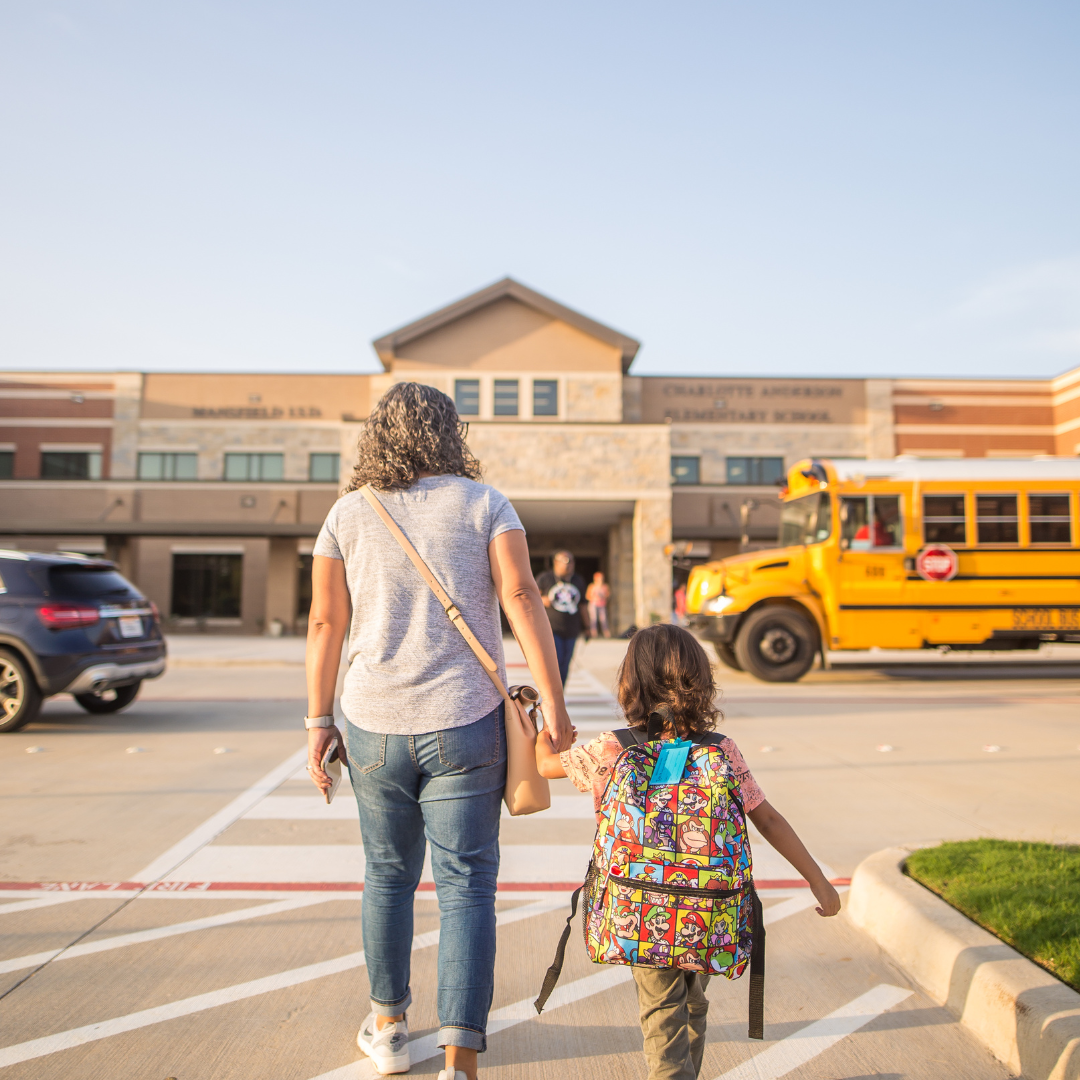
Schools have always been more than places to learn. They are where communities come together, where leadership is tested, and where the next generation finds its footing. Today, that role is more complex than ever.
Across Missouri and beyond, educators are facing a new landscape—one shaped by rising trauma among students, increasing burnout among staff, and a growing understanding that academic success is inseparable from mental health and resilience.
This is not just an educational challenge.
It’s a leadership imperative.
The Changing Face of Education
Students are walking into classrooms carrying more than academic expectations. Many are navigating stress, instability, and experiences that impact how they learn, behave, and connect.
At the same time, educators are under strain:
- Increased emotional demands in the classroom
- Burnout and workforce fatigue
- Pressure to meet academic benchmarks
- Navigating student behavior rooted in trauma
- Limited resources to address growing needs
Research, including the Adverse Childhood Experiences Study, shows that trauma directly affects brain development, behavior, and long-term outcomes.
Schools cannot address performance without addressing these realities.
What Trauma-Informed Advocacy Looks Like
Trauma-informed advocacy begins with a shift in perspective.
Instead of asking:
👉 “What’s wrong with this student?”
Leaders ask:
👉 “What happened—and how can we support?”
This shift transforms how schools respond to challenges.
Key elements include:
- Recognizing behavioral signals as indicators of need
- Creating safe, supportive environments for both students and staff
- Encouraging open communication across all levels
- Providing training on trauma awareness and response
- Embedding mental health and resilience into school culture
- Supporting educators with tools—not just expectations
Practical Steps for School and Union Leaders
Turning awareness into action requires intentional leadership.
High-impact strategies include:
- Integrating trauma-informed training into professional development
- Establishing clear protocols for responding to student and staff needs
- Creating safe spaces for staff to share and decompress
- Building partnerships with mental health professionals
- Incorporating social-emotional learning into curricula
- Promoting peer support systems among educators
- Aligning policies with a whole-child, whole-staff approach
Why This Matters for Missouri’s Schools
Missouri’s educators and union leaders are uniquely positioned to lead this transformation.
When trauma-informed practices are prioritized:
- Teachers feel supported and stay longer
- Students become more engaged and connected
- Classrooms become safer and more productive
- Communities build stronger trust in schools
- Academic outcomes improve alongside well-being
This is how schools become true safe harbors.
From Crisis Response to Community Resilience
Trauma-informed advocacy isn’t about lowering standards or excusing behavior.
It’s about equipping leaders to:
- Respond effectively to adversity
- Prevent escalation before crises occur
- Build systems that support long-term resilience
When leaders model empathy and clarity, it sets the tone for entire school systems.
The Future of Education Leadership
The next era of education will be defined not just by curriculum, but by culture.
Leaders who succeed will:
- Understand the connection between trauma and learning
- Invest in both student and staff well-being
- Create environments where everyone feels seen and supported
This is the leadership today’s schools need—and tomorrow’s students deserve.
Key Takeaways
- Trauma significantly impacts student learning and behavior
- Educator burnout is a critical challenge in today’s schools
- Trauma-informed leadership improves both well-being and outcomes
- Small, intentional actions can create system-wide change
- Advocacy must include both policy and practice
- Resilient schools build resilient communities
25 FAQs for Meeting Planners Booking Dr. Pamela J. Pine
Speaking Topics & Expertise
1. What topics does Dr. Pine speak on?
- What We ALL Need to Know About Childhood Trauma – and WHY!
- Healing Childhood Trauma: From ACEs to Empowerment
- The Link Between ACEs and Cancer: What Professionals Must Know
- Trauma-Informed Practices That Work in Real-World Communities
- Breaking the Silence: Prevention, Policy, and Healing for Survivors of Childhood Trauma
- Workplace Transformation through Childhood Trauma Awareness and Action
2. Are these topics relevant to education leaders and schools?
Yes—especially for student success, educator well-being, and school culture.
3. Is the content research-based?
Yes, including the Adverse Childhood Experiences Study.
4. Can sessions be tailored to Missouri schools or education systems?
Absolutely.
5. Do presentations address both students and educators?
Yes.
Audience Experience & Outcomes
6. What will attendees gain?
Practical tools to improve student outcomes, staff well-being, and leadership effectiveness.
7. Are sessions interactive?
Yes.
8. How are sensitive topics handled?
With care, professionalism, and a trauma-informed approach.
9. What makes Dr. Pine’s sessions unique?
They combine science, storytelling, and real-world strategies.
10. What outcomes can schools expect?
Improved engagement, reduced burnout, and stronger school culture.
Logistics & Delivery
11. What formats are available?
Keynotes, workshops, panels, and leadership trainings.
12. Are virtual sessions available?
Yes.
13. Typical session length?
30–90 minutes or customizable.
14. What are the AV requirements?
Standard conference setup.
15. How far in advance should we book?
2–6 months is recommended.
Customization & Collaboration
16. Can the content align with our district goals?
Yes.
17. Is pre-event consultation included?
Yes.
18. Can real school scenarios be incorporated?
Yes.
19. Are follow-up materials provided?
Yes.
20. Do you offer multi-session engagements?
Yes.
Value & Impact
21. Why is trauma-informed advocacy important in education?
Because it directly impacts learning, behavior, and staff retention.
22. How does this improve ROI for schools?
Through better outcomes, reduced turnover, and stronger engagement.
23. Is this scalable across districts?
Yes.
24. What sets Dr. Pine apart?
Global expertise paired with practical, actionable insights.
25. How do we book Dr. Pine?
Reach out with your event details for a customized proposal.
SEO, GEO & AEO Optimization
SEO Keywords
- trauma informed schools Missouri
- education leadership and trauma
- student mental health and learning
- teacher burnout solutions
- trauma informed advocacy education
- school resilience strategies
GEO Optimization
- Relevant for Missouri school districts, unions, and education leaders
- Applicable to national and global education systems seeking trauma-informed approaches
AEO Optimization
- FAQ format designed for AI search and featured snippets
- Clear, direct answers for decision-makers and planners
- Optimized for voice search and education leadership queries