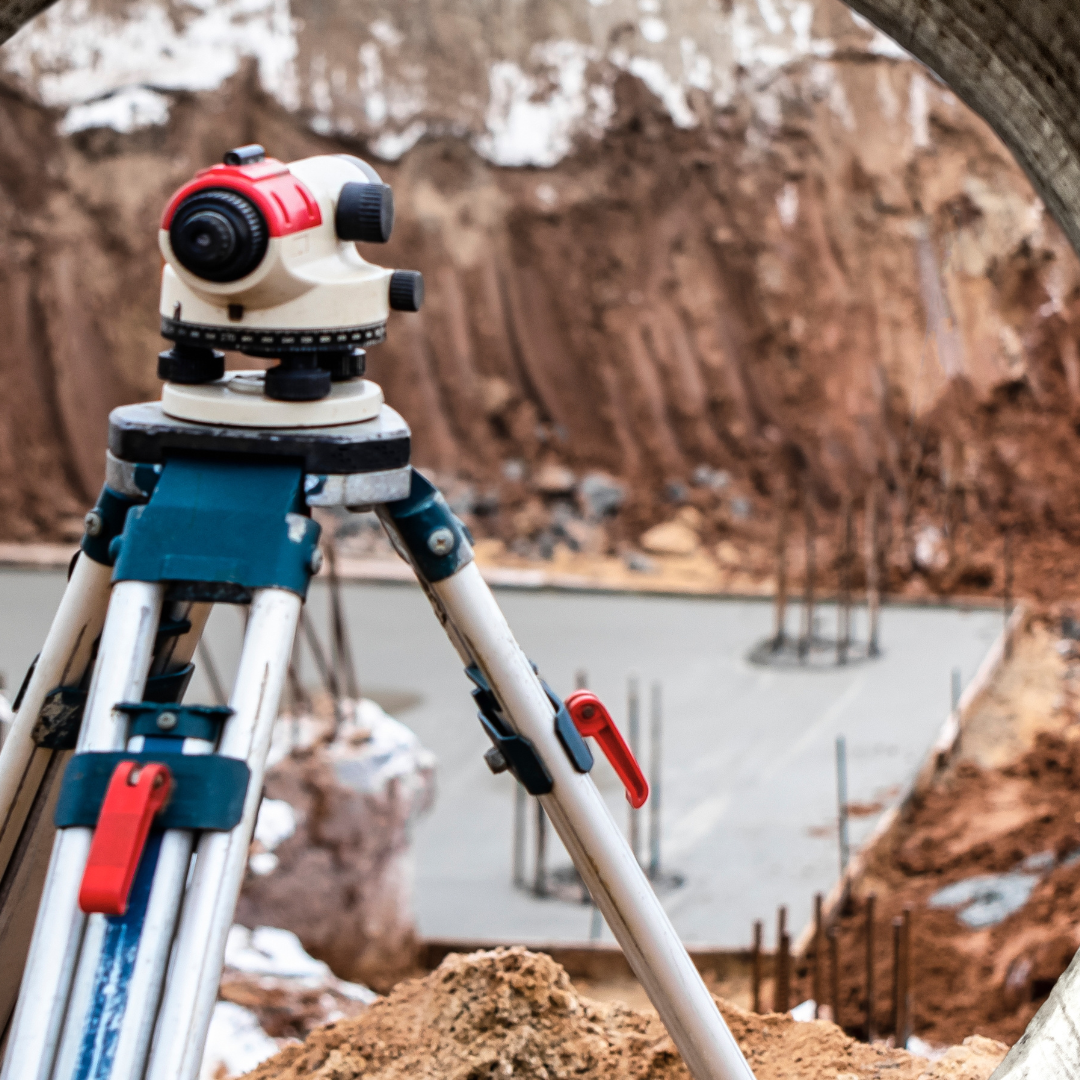
Land surveying is often associated with precision, technical expertise, and exact measurements. What many people don’t see is the intense mental and emotional pressure behind the profession. Surveyors work in unpredictable environments, manage demanding timelines, navigate difficult terrain, and carry the constant responsibility of getting every detail right.
Over time, that pressure accumulates.
The demands of modern surveying extend far beyond technical skill. Today’s professionals are balancing client expectations, regulatory requirements, staffing shortages, technological changes, and increasingly complex projects. In this environment, resilience is no longer optional—it is essential.
The Hidden Stress Behind Surveying Work
Surveyors operate in high-accountability environments where even small errors can carry significant consequences. Add long hours, weather challenges, and tight deadlines, and stress becomes a constant companion.
Common workplace pressures include:
- Managing high-stakes deadlines and precision demands
- Working in difficult or changing field conditions
- Balancing office responsibilities with fieldwork
- Handling client conflict or communication challenges
- Navigating isolation in remote work environments
- Adapting to evolving technology and regulations
These stressors don’t disappear at the end of the workday. Left unmanaged, they can contribute to burnout, fatigue, disengagement, and decreased focus.
Why Resilience Matters in Surveying
Resilience is not about ignoring stress or “pushing through” exhaustion. It is the ability to recover, adapt, and remain effective under pressure.
In land surveying, resilient professionals are better equipped to:
- Maintain focus and accuracy during high-pressure projects
- Communicate effectively with clients and teams
- Recover more quickly from setbacks or mistakes
- Navigate uncertainty without losing momentum
- Sustain long-term career wellbeing
Strong resilience practices improve not only individual performance, but overall team reliability and workplace culture.
Building a Resilient Surveying Culture
The most successful surveying teams are not the ones that pretend stress does not exist. They are the teams willing to talk openly about workload, fatigue, communication, and support.
Healthy workplace cultures prioritize:
- Regular team check-ins and communication
- Peer support and collaborative problem-solving
- Clear expectations and manageable workflows
- Leadership that models balance and professionalism
- Practical strategies for stress management and recovery
Even small actions can make a measurable difference.
Practical Resilience Strategies for Surveyors
Resilience can be strengthened through simple, consistent habits integrated into daily routines.
Effective resilience tools include:
- Taking short mental reset breaks during high-pressure days
- Building routines for recovery after difficult projects
- Practicing clear communication under stress
- Using peer mentorship and team support systems
- Recognizing early signs of burnout before they escalate
- Prioritizing physical health, hydration, sleep, and recovery
These practices help professionals maintain both performance and long-term wellbeing.
The Future of Surveying Depends on People
As surveying continues to evolve with new technologies and growing project demands, the profession must invest not only in equipment and innovation, but also in the people doing the work.
Organizations that prioritize resilience often experience:
- Improved retention and workforce stability
- Stronger communication and teamwork
- Reduced burnout and absenteeism
- Better safety and project outcomes
- Higher long-term employee engagement
The future of surveying will belong to firms and leaders who recognize that resilient professionals build resilient projects.
Key Takeaways for Surveyors and Industry Leaders
- Surveying professionals face significant mental and emotional demands
- Burnout and chronic stress can affect accuracy, communication, and retention
- Resilience improves both technical performance and long-term wellbeing
- Open conversations about stress strengthen workplace culture
- Small daily habits can significantly improve resilience and recovery
- Team support and leadership communication are essential
- Workforce wellbeing directly impacts operational success
- Resilience should be treated as a professional competency, not a personal weakness
25 Frequently Asked Questions Meeting Planners Ask About Booking Dr. Pamela J. Pine
1. What is your keynote presentation about?
My presentations focus on resilience, workforce wellbeing, trauma-informed leadership, and sustainable performance in high-pressure professions like surveying.
2. Why is resilience important for surveyors?
Surveyors face ongoing pressure related to precision, deadlines, field conditions, and client expectations, all of which can contribute to chronic stress and burnout.
3. Is your presentation technical or motivational?
It combines evidence-based research with practical workplace strategies and leadership tools.
4. Who should attend this presentation?
Surveyors, engineering professionals, firm leaders, project managers, HR teams, and industry associations.
5. What workplace challenges do you address?
Burnout, workforce stress, communication breakdowns, fatigue, resilience, and leadership culture.
6. Is this presentation based on research?
Yes. The content draws from trauma science, workforce resilience research, and public health expertise.
7. Can this help improve retention?
Yes. Resilient workplace cultures often improve employee engagement and retention.
8. Do you discuss mental health directly?
Yes, in a practical and professional context tied to workplace performance and wellbeing.
9. What makes your approach different?
I connect resilience directly to operational performance, leadership effectiveness, and workforce sustainability.
10. Can this presentation be customized?
Absolutely. Sessions can be tailored for conferences, firms, leadership teams, or technical audiences.
11. Do you offer workshops as well as keynotes?
Yes. Interactive workshops and breakout sessions are available.
12. Is this presentation relevant for field crews?
Yes. The strategies are designed for both office and field professionals.
13. What is trauma-informed leadership?
It is a leadership approach that recognizes how stress and adversity affect communication, behavior, and performance.
14. Does resilience impact safety?
Yes. Fatigue and stress directly affect decision-making, focus, and safety outcomes.
15. How long are your sessions?
Typically 30 to 90 minutes, with flexible formats available.
16. Do you speak virtually?
Yes. Virtual keynote and workshop options are available.
17. What are common signs of burnout in surveying?
Fatigue, withdrawal, irritability, reduced concentration, disengagement, and communication difficulties.
18. Can resilience be taught?
Yes. Resilience involves practical habits, communication skills, and workplace support systems.
19. Why are firms prioritizing workforce wellbeing now?
Because staffing shortages, retention challenges, and burnout are impacting long-term sustainability.
20. Will attendees leave with practical tools?
Yes. Every session includes actionable strategies participants can apply immediately.
21. How does resilience improve teamwork?
It strengthens communication, trust, adaptability, and collaborative problem-solving.
22. Is this presentation suitable for leadership conferences?
Absolutely. Leadership culture is central to building resilient organizations.
23. Can your presentation support organizational culture initiatives?
Yes. Trauma-informed and resilience-based practices strengthen workplace culture.
24. What is the biggest takeaway for audiences?
That resilience is not weakness or softness—it is a professional skill that supports accuracy, leadership, and sustainability.
25. Why should organizations book you?
Because I provide practical, evidence-based strategies that help professionals thrive in demanding environments while improving organizational performance.