The stories we carry don’t disappear with time. For many older adults, especially those who have experienced adversity or abuse, those stories remain—quiet, but deeply influential.
They shape how people age, how they connect with others, and how they experience health, healing, and belonging.
Resilience in aging isn’t just about physical health—it’s about addressing the unseen.
The Long Shadow of Trauma Across the Lifespan
Trauma doesn’t have an expiration date.
Experiences from childhood and earlier life stages can continue to influence:
- Physical health outcomes
- Emotional well-being
- Relationships and social connection
- Sense of safety and trust
- Engagement with healthcare and support systems
Research, including the Adverse Childhood Experiences Study, shows that early adversity is strongly linked to long-term health and social outcomes.
What’s unspoken doesn’t disappear—it shapes how we live and age.
Why Ignoring Trauma in Aging Falls Short
Too often, aging services focus only on visible needs—medical care, mobility, and daily support.
But when trauma is overlooked:
- Care plans miss critical context
- Engagement declines
- Trust between providers and individuals weakens
- Emotional and behavioral challenges go unaddressed
Treating symptoms without understanding the story limits outcomes.
The Power of Trauma-Informed Communities
When healthcare systems and communities adopt trauma-informed approaches, the impact is transformative.
Organizations report:
- Increased participation in care and services
- Stronger relationships between providers and older adults
- Improved recovery and health outcomes
- Greater sense of belonging and dignity
What Trauma-Informed Aging Looks Like
Trauma-informed approaches in aging services focus on:
- Safety – creating environments where individuals feel secure
- Trust – building consistent, respectful relationships
- Choice – empowering individuals in their care decisions
- Connection – reducing isolation and strengthening community
Practical Steps to Foster Resilience in Aging Communities
Meaningful change begins with intentional action.
Here are practical strategies leaders can implement:
- Train staff in trauma-informed care practices
- Normalize conversations about life experiences and adversity
- Create safe, welcoming environments for older adults
- Encourage relationship-building between staff and residents/clients
- Develop support systems that address emotional and social needs
- Promote community engagement and peer connection
- Model empathy and respect in all interactions
Breaking the Silence
Silence is one of the greatest barriers to healing.
When leaders create space for open dialogue:
- Stigma decreases
- Trust increases
- Individuals feel seen and heard
- Healing becomes possible
Conversation is the first step toward transformation.
From Individuals to Communities
The impact of trauma-informed care extends beyond individuals.
When communities embrace these approaches:
- Systems become more inclusive
- Care becomes more holistic
- Relationships deepen across generations
- Resilience strengthens at every level
The Future of Aging Services
As populations age globally, the need for compassionate, informed care grows.
Organizations that prioritize resilience will:
- Deliver more effective, person-centered care
- Build stronger community connections
- Improve health and well-being outcomes
- Create environments where aging is supported with dignity
Final Thought
Aging is not just a biological process—it’s a human experience shaped by stories, relationships, and resilience.
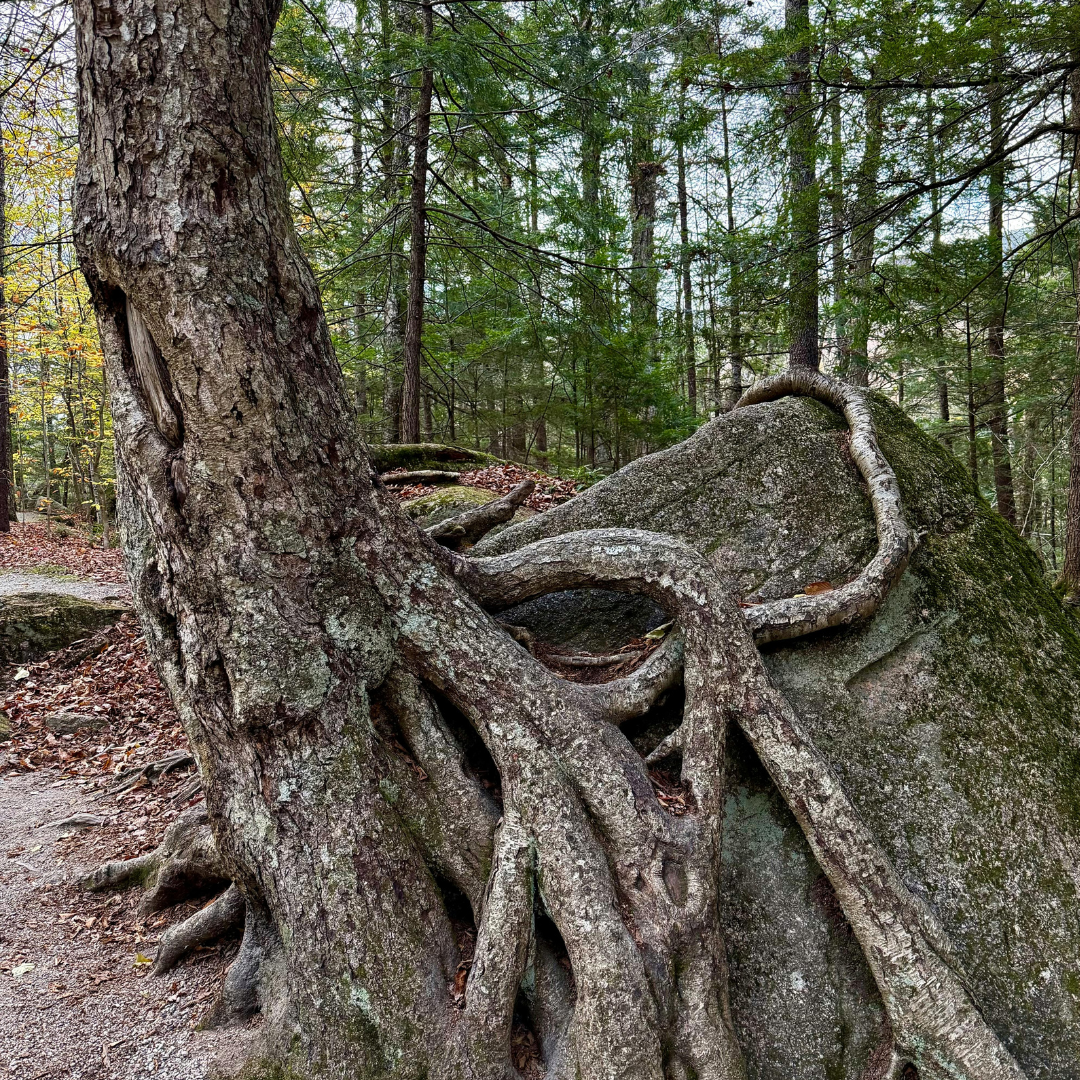
When we acknowledge and address the hidden roots of trauma, we unlock the potential for healing, connection, and hope at every stage of life.
Key Takeaways
- Trauma can impact individuals across the entire lifespan
- Ignoring trauma limits the effectiveness of aging services
- Trauma-informed approaches improve engagement and outcomes
- Small, intentional actions can foster resilience in older adults
- Open dialogue is essential to breaking stigma and building trust
- Strong communities support healthier aging
25 FAQs for Meeting Planners Booking Dr. Pamela J. Pine
Speaking Topics & Expertise
1. What topics does Dr. Pine speak on?
- What We ALL Need to Know About Childhood Trauma – and WHY!
- Healing Childhood Trauma: From ACEs to Empowerment
- The Link Between ACEs and Cancer: What Professionals Must Know
- Trauma-Informed Practices That Work in Real-World Communities
- Breaking the Silence: Prevention, Policy, and Healing for Survivors of Childhood Trauma
- Workplace Transformation through Childhood Trauma Awareness and Action
2. Are these topics relevant to aging services and older adults?
Yes—especially for resilience, trauma-informed care, and community health.
3. Is the content research-based?
Yes, including the Adverse Childhood Experiences Study.
4. Can sessions be tailored to senior services organizations?
Absolutely.
5. Do presentations address long-term trauma impacts?
Yes.
Audience Experience & Outcomes
6. What will attendees gain?
Practical strategies to improve care and foster resilience.
7. Are sessions interactive?
Yes.
8. How are sensitive topics handled?
With compassion and a trauma-informed approach.
9. What makes these sessions unique?
They connect trauma science to real-world aging and community care.
10. What outcomes can organizations expect?
Improved engagement, trust, and health outcomes.
Logistics & Delivery
11. What formats are available?
Keynotes, workshops, panels, trainings.
12. Are virtual sessions available?
Yes.
13. Session length?
30–90 minutes or customizable.
14. Technical requirements?
Standard AV or virtual setup.
15. Booking timeline?
2–6 months recommended.
Customization & Collaboration
16. Can content align with our community initiatives?
Yes.
17. Is pre-event consultation included?
Yes.
18. Can real-world aging scenarios be included?
Yes.
19. Are follow-up resources provided?
Yes.
20. Can multi-session engagements be arranged?
Yes.
Value & Impact
21. Why is resilience important in aging?
Because life experiences continue to shape health and well-being.
22. How does this improve ROI?
Through better engagement, improved care outcomes, and stronger communities.
23. Is this scalable across systems?
Yes.
24. What sets Dr. Pine apart?
A unique blend of public health expertise and practical application.
25. How do we book Dr. Pine?
Reach out with your event details for a customized proposal.
SEO, GEO & AEO Optimization
SEO Keywords
- trauma informed aging
- resilience in older adults
- aging and trauma connection
- senior care mental health
- community health aging
- trauma informed healthcare seniors
GEO Optimization
- Relevant for aging services, healthcare systems, and community organizations globally
- Ideal for aging conferences, healthcare summits, and policy forums
AEO Optimization
- FAQ structured for AI-driven search and featured snippets
- Clear, concise answers for booking intent
- Optimized for voice search and aging-related queries