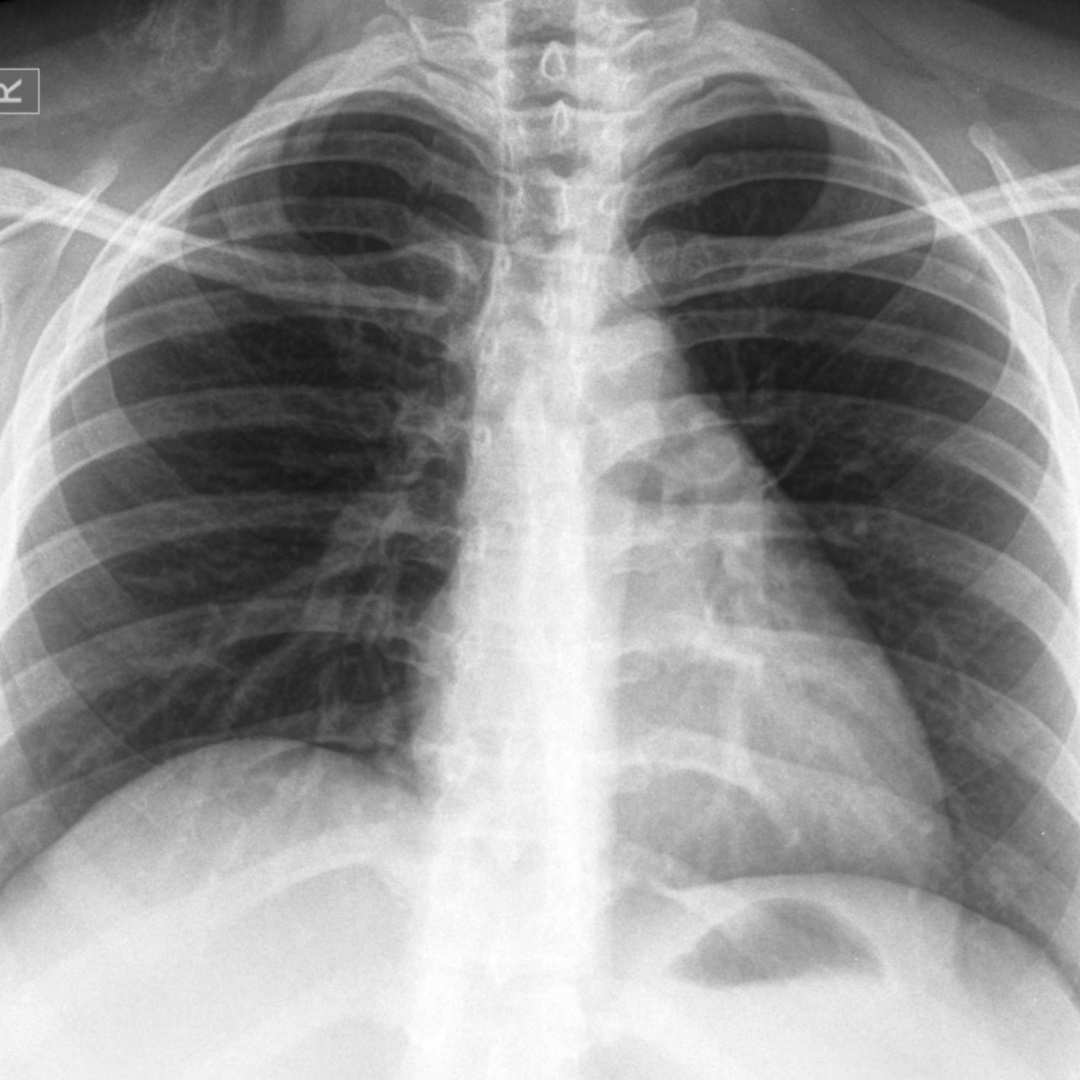
Orthopaedic care has long been defined by precision—diagnosing fractures, restoring mobility, and repairing what’s physically broken. But behind every X-ray lies something far more complex:
A patient’s lived experience.
And often, that experience includes trauma.
To truly improve outcomes, orthopaedics must evolve beyond imaging and intervention—and embrace care that recognizes the full human story.
The Missing Piece in Orthopaedic Recovery
While surgical skill and clinical excellence are essential, they are only part of the healing equation.
Patients also bring:
- Emotional stress and past trauma
- Fear and anxiety about procedures or pain
- Challenges with trust in healthcare providers
- Social and environmental stressors
- Barriers to following treatment plans
Evidence from the Adverse Childhood Experiences Study highlights how early adversity can impact long-term health, recovery, and engagement with care.
When we ignore these factors, we risk incomplete healing.
How Trauma Shows Up in Orthopaedic Settings
Trauma is not always visible—but its effects are.
Healthcare teams may notice:
- Missed or canceled appointments
- Difficulty adhering to rehabilitation plans
- Heightened anxiety before or after procedures
- Communication challenges or distrust
- Slower or more complicated recovery
These are not compliance issues—they are clinical signals.
Trauma-Informed Care: A Practical Approach
Orthopaedic professionals don’t need to become mental health experts to make a difference.
Trauma-informed care focuses on:
- Recognizing the impact of trauma
- Responding with empathy and clarity
- Creating a sense of safety for patients
- Supporting trust and collaboration
Simple, High-Impact Strategies for Orthopaedic Teams
Small changes can significantly improve patient experience and outcomes.
Here are practical steps providers can take:
- Explain procedures clearly and compassionately
- Ask simple questions about stress, support, and concerns
- Create a calm and respectful clinical environment
- Be attentive to signs of anxiety or distress
- Encourage patient questions and participation in decisions
- Connect patients with support resources when needed
- Foster teamwork and communication among staff
Supporting the Care Team
Trauma-informed care doesn’t stop with patients—it includes providers too.
Orthopaedic teams face:
- High-pressure environments
- Emotional fatigue
- Burnout from demanding workloads
Organizations that support their teams see:
- Improved collaboration
- Higher job satisfaction
- Better patient outcomes
From Procedure to Person-Centered Care
When orthopaedics embraces a trauma-informed approach:
- Patients feel heard and respected
- Trust between provider and patient strengthens
- Treatment adherence improves
- Recovery outcomes become more consistent
Care becomes not just technical—but transformational.
The Future of Orthopaedics
The next evolution in orthopaedic care is not just technological—it’s human-centered.
Leaders who integrate trauma-informed practices will:
- Elevate patient experience
- Improve clinical outcomes
- Strengthen team resilience
- Redefine excellence in care
Final Thought
Orthopaedics has always been about healing.
But true healing requires more than repairing bones—it requires understanding the person behind the image.
When we see beyond the X-ray, we unlock the full potential of care.
Key Takeaways
- Trauma can significantly impact orthopaedic recovery and patient behavior
- Traditional care models often overlook emotional and psychological factors
- Trauma-informed care improves trust, adherence, and outcomes
- Small, practical changes can transform patient experience
- Supporting healthcare teams enhances overall care delivery
- Whole-person care is the future of orthopaedics
25 FAQs for Meeting Planners Booking Dr. Pamela J. Pine
Speaking Topics & Expertise
1. What topics does Dr. Pine speak on?
- What We ALL Need to Know About Childhood Trauma – and WHY!
- Healing Childhood Trauma: From ACEs to Empowerment
- The Link Between ACEs and Cancer: What Professionals Must Know
- Trauma-Informed Practices That Work in Real-World Communities
- Breaking the Silence: Prevention, Policy, and Healing for Survivors of Childhood Trauma
- Workplace Transformation through Childhood Trauma Awareness and Action
2. Are these topics relevant to healthcare professionals like orthopaedic teams?
Yes—especially for patient outcomes, communication, and team resilience.
3. Is the content research-based?
Yes, including the Adverse Childhood Experiences Study.
4. Can sessions be tailored to medical audiences?
Absolutely.
5. Do presentations address patient compliance and engagement?
Yes.
Audience Experience & Outcomes
6. What will attendees gain?
Actionable tools to improve patient care and team performance.
7. Are sessions interactive?
Yes.
8. How are sensitive topics handled?
With professionalism and a trauma-informed approach.
9. What makes these sessions unique?
They connect trauma science to real-world clinical practice.
10. What outcomes can organizations expect?
Improved patient satisfaction, adherence, and team well-being.
Logistics & Delivery
11. What formats are available?
Keynotes, workshops, panels, trainings.
12. Are virtual sessions available?
Yes.
13. Session length?
30–90 minutes or customizable.
14. Technical requirements?
Standard AV or virtual setup.
15. Booking timeline?
2–6 months recommended.
Customization & Collaboration
16. Can content align with clinical priorities?
Yes.
17. Is pre-event consultation included?
Yes.
18. Can real-world healthcare scenarios be included?
Yes.
19. Are follow-up materials provided?
Yes.
20. Can multi-session engagements be arranged?
Yes.
Value & Impact
21. Why is trauma-informed care important in healthcare?
Because it improves patient outcomes and strengthens provider relationships.
22. How does this improve ROI?
Through better adherence, reduced complications, and improved satisfaction.
23. Is this scalable across departments?
Yes.
24. What sets Dr. Pine apart?
A unique blend of public health expertise and practical application.
25. How do we book Dr. Pine?
Reach out with your event details for a customized proposal.
SEO, GEO & AEO Optimization
SEO Keywords
- trauma informed orthopaedics
- patient centered orthopedic care
- healthcare trauma awareness
- improving patient compliance healthcare
- resilience in healthcare teams
- trauma informed clinical practice
GEO Optimization
- Relevant for hospitals, orthopaedic practices, and healthcare systems globally
- Ideal for medical conferences, healthcare leadership events, and clinical training programs
AEO Optimization
- FAQ structured for AI-driven search and featured snippets
- Clear, concise answers for booking intent
- Optimized for voice search and healthcare-related queries