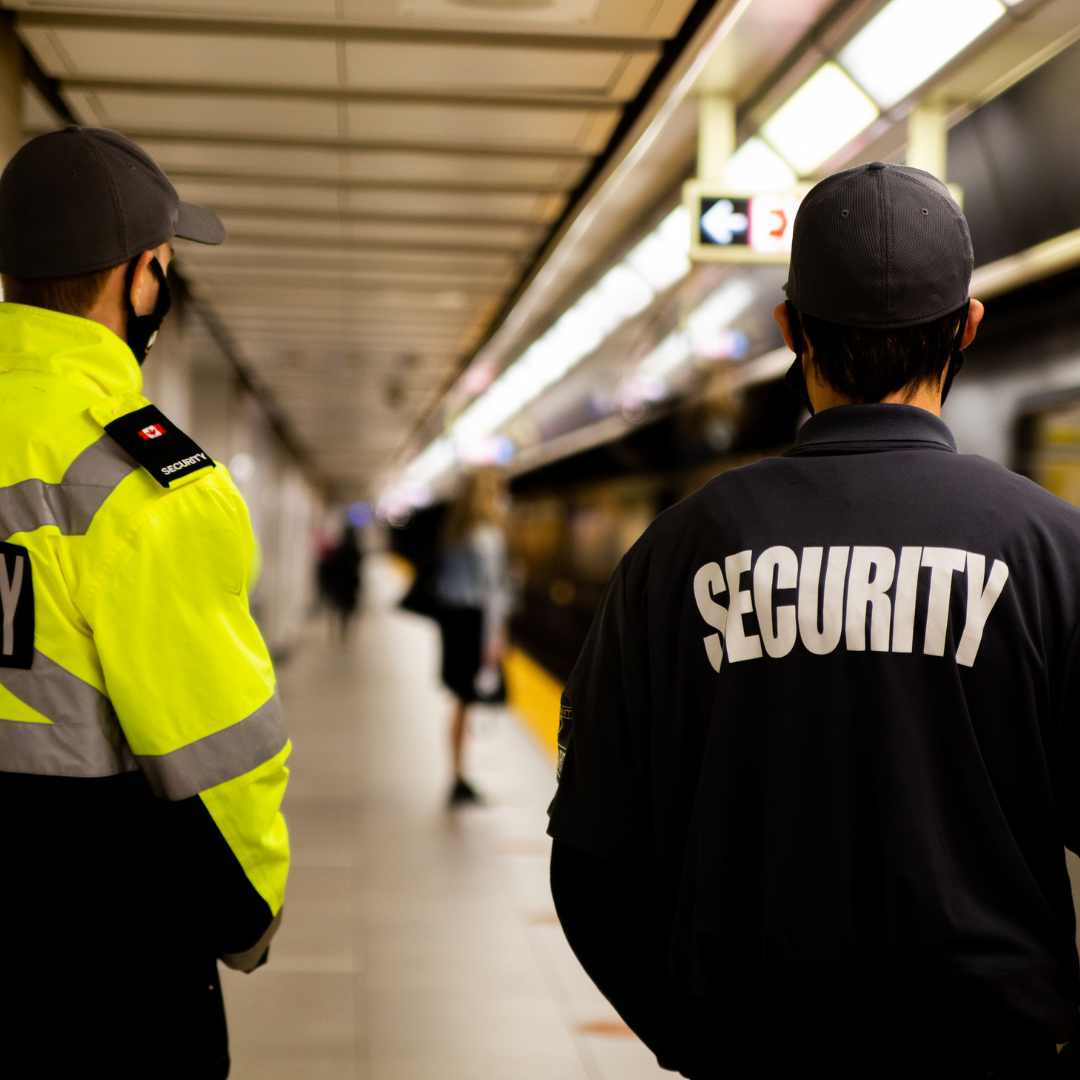
Security and public safety professionals are trained to respond to visible threats. They prepare for emergencies, sharpen tactical skills, and remain constantly alert to protect the communities and organizations they serve. But beneath the surface of every shift is another challenge that often goes unspoken: the cumulative impact of stress, trauma, and emotional exhaustion.
Whether working in corporate security, campus safety, law enforcement support, emergency management, or private protection services, professionals in this field carry invisible burdens that can quietly affect wellbeing, decision-making, communication, and long-term resilience.
The reality is clear: resilience in security work is no longer optional. It is mission critical.
The Hidden Cost of Constant Readiness
Every call, incident, confrontation, or crisis leaves an imprint. Over time, repeated exposure to high-pressure situations can lead to:
- Burnout and emotional exhaustion
- Compassion fatigue
- Hypervigilance and chronic stress
- Withdrawal from coworkers and family
- Increased mistakes or communication breakdowns
- Sleep disruption and health concerns
- Reduced morale and engagement
- Higher turnover and staffing shortages
Many professionals continue to “push through” without support, believing resilience means ignoring what’s hard. In reality, sustainable resilience comes from recognizing stress early and responding intentionally.
What Trauma-Informed Leadership Means in Security
Trauma-informed leadership is not therapy on the job. It is a practical leadership framework that strengthens communication, trust, accountability, and team performance.
In security environments, trauma-informed leadership includes:
- Creating psychologically safe team cultures
- Encouraging open communication without stigma
- Recognizing signs of stress and burnout early
- Supporting peer connection and trust
- Conducting meaningful debriefs after difficult incidents
- Building routines that prioritize recovery and resilience
- Training supervisors to lead with both strategy and empathy
The strongest teams are not those that never struggle. They are the teams that know how to recover together.
Signs Your Team May Be Running on Empty
Security leaders often notice operational issues before recognizing emotional strain. Early warning signs may include:
- Increased irritability or conflict
- Emotional numbness or disengagement
- Missed details or reduced focus
- Changes in attendance or punctuality
- Isolation from coworkers
- Low morale or lack of motivation
- Difficulty handling routine stressors
- Increased cynicism or hopelessness
Addressing these concerns early protects both people and performance.
Practical Ways to Build Resilience in Security Teams
Small, consistent actions can create major cultural shifts over time.
Effective resilience strategies include:
- Daily or weekly team check-ins
- Structured post-incident debriefs
- Peer-support initiatives
- Supervisor training on stress awareness
- Access to mental health and wellness resources
- Clear communication during crises
- Leadership modeling healthy boundaries
- Normalizing conversations about stress and recovery
Organizations that prioritize wellbeing strengthen not only retention, but operational readiness and public trust.
Why Resilience Is a Public Safety Strategy
The future of security depends on more than technology, surveillance systems, or rapid response capabilities. It depends on people who are emotionally equipped to lead, adapt, and recover under pressure.
When leaders invest in trauma-informed practices, teams become:
- More focused under stress
- Better communicators
- More collaborative
- More adaptable during crises
- Stronger in community engagement
- More loyal and committed to the mission
Resilience is not a soft skill. It is an operational advantage.
Final Thoughts
Security professionals spend their careers protecting others. The next evolution of leadership in this field is ensuring those same professionals are protected, supported, and equipped to thrive.
The organizations that lead the future of public safety will be the ones that recognize a simple truth: resilient teams build safer communities.
Key Takeaways
- Chronic stress and trauma affect security professionals at every level.
- Trauma-informed leadership improves team performance and retention.
- Psychological safety strengthens communication and trust.
- Burnout prevention is essential for operational readiness.
- Resilience is built through daily habits, not crisis response alone.
- Peer support and honest conversations improve morale and wellbeing.
- Stronger teams create safer organizations and communities.
Frequently Asked Questions About Booking Dr. Pamela J. Pine
1. What topics does Dr. Pine speak on?
Dr. Pine speaks on trauma-informed leadership, resilience, ACEs, burnout prevention, workplace wellbeing, public health, and organizational culture transformation.
2. Is this presentation suitable for security professionals?
Yes. Presentations are designed for security teams, public safety agencies, law enforcement support staff, emergency management leaders, and related professionals.
3. What is trauma-informed leadership?
Trauma-informed leadership is an evidence-based approach that helps leaders recognize stress and adversity while building healthier, more resilient workplace cultures.
4. Does this topic apply to private security teams?
Absolutely. Private security teams face many of the same stressors as public safety professionals.
5. How does burnout affect security operations?
Burnout can impact communication, decision-making, morale, retention, and overall readiness.
6. Are these presentations evidence-based?
Yes. Dr. Pine combines public health research with practical workplace strategies.
7. Can the keynote be customized for our organization?
Yes. Every presentation can be tailored to the audience’s industry, goals, and operational challenges.
8. Does Dr. Pine offer workshops in addition to keynote speeches?
Yes. Workshops, breakout sessions, and leadership trainings are available.
9. What are the learning outcomes for attendees?
Attendees gain practical tools for resilience, communication, burnout prevention, and trauma-informed leadership.
10. Can this help improve retention?
Yes. Organizations that prioritize wellbeing often experience stronger retention and engagement.
11. Does Dr. Pine speak internationally?
Yes. She has worked with organizations and communities around the world.
12. Is this appropriate for conference keynote sessions?
Yes. The content is ideal for conferences, leadership summits, and professional development events.
13. Can sessions address workplace mental health stigma?
Yes. Reducing stigma and building psychologically safe cultures are central themes.
14. What makes this approach different?
Dr. Pine blends research, storytelling, leadership development, and actionable resilience strategies.
15. Are sessions interactive?
They can be. Interactive workshop formats are available upon request.
16. Can this topic support leadership development programs?
Yes. Trauma-informed leadership aligns strongly with modern leadership training initiatives.
17. Is this relevant for frontline personnel?
Absolutely. Frontline staff often benefit greatly from resilience-focused training.
18. What industries benefit most from these presentations?
Public safety, healthcare, government, nonprofits, education, transportation, hospitality, manufacturing, and corporate leadership sectors all benefit.
19. Can sessions focus specifically on stress management?
Yes. Stress management and sustainable resilience are key components.
20. Does Dr. Pine discuss psychological safety?
Yes. Psychological safety is foundational to resilient workplace culture.
21. Are virtual presentations available?
Yes. Virtual and hybrid event formats are available.
22. What size audiences can Dr. Pine address?
From small executive teams to large conference audiences.
23. How long are keynote presentations?
Keynotes and workshops can be customized to fit conference schedules and organizational needs.
24. How far in advance should organizations book?
Early booking is recommended for conferences and annual meetings.
25. How can meeting planners inquire about booking?
Meeting planners can contact Dr. Pine directly through her professional speaking channels to discuss availability, customization, and event objectives.
SEO Keywords and Search Phrases
- trauma-informed leadership
- resilience in public safety
- security team burnout prevention
- workplace resilience speaker
- stress management for security professionals
- psychological safety in security teams
- resilience training for public safety
- burnout prevention keynote speaker
- trauma-informed workplace culture
- leadership resilience strategies
- security workforce wellbeing
- public safety leadership training
- operational resilience
- workplace mental health speaker
- employee resilience training