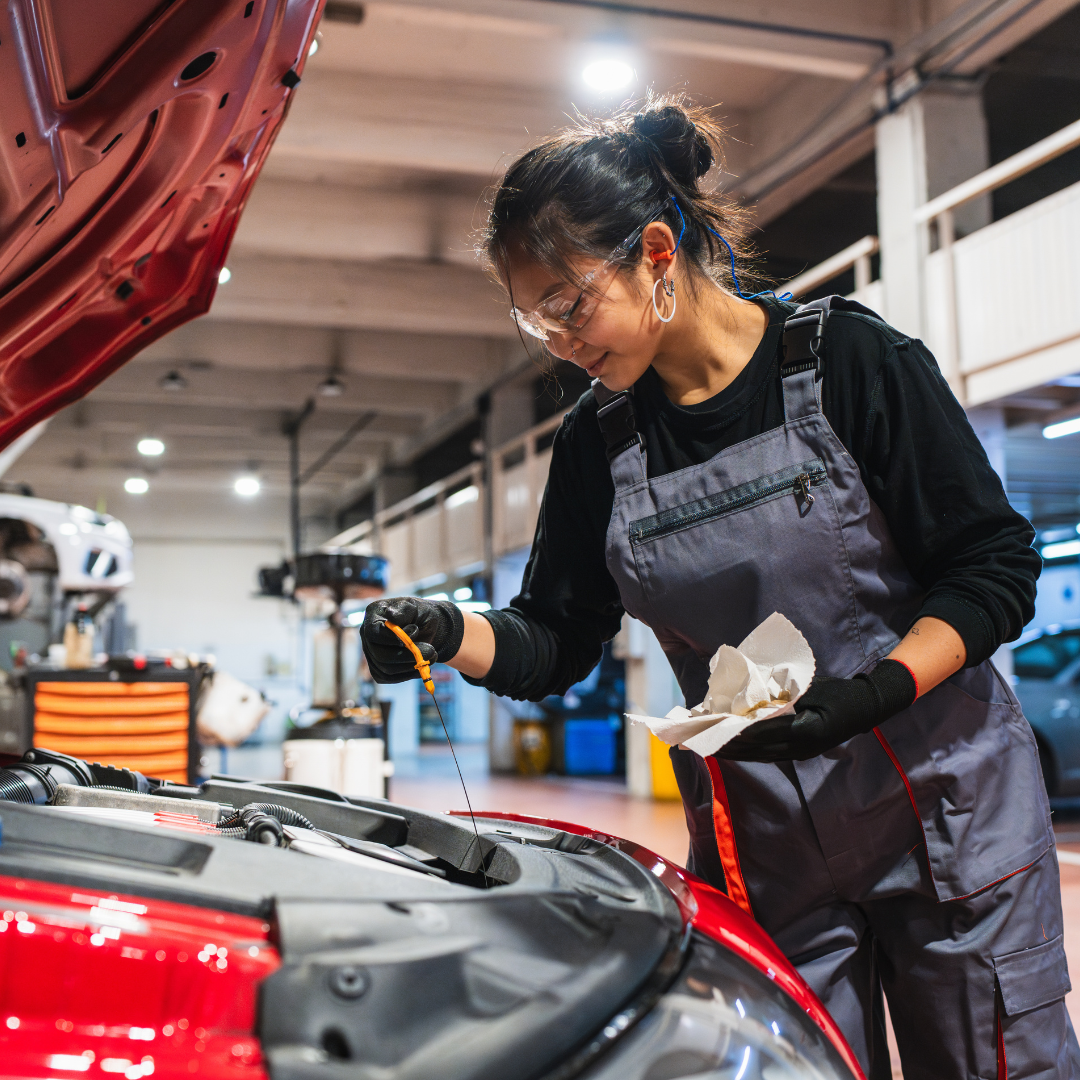
The automotive industry is evolving at record speed. Electrification, AI integration, supply chain disruption, and changing consumer expectations are transforming how the industry operates. Yet for many women in automotive, the greatest challenge isn’t technological—it’s personal and professional resilience in environments that often demand constant adaptation, high performance, and emotional endurance.
Behind every breakthrough are professionals balancing deadlines, leadership expectations, workplace dynamics, and the pressure to continuously prove themselves. Too often, these realities go unspoken. Burnout, stress, imposter syndrome, and workplace fatigue can quietly affect innovation, retention, and long-term career growth.
The good news? Resilience can be built intentionally.
Organizations that prioritize trauma-informed leadership, psychological safety, and supportive workplace cultures are seeing measurable gains in employee engagement, innovation, retention, and collaboration. Women don’t just survive in these environments—they lead transformation.
Why Resilience Matters in Automotive Leadership
Today’s automotive professionals are expected to lead through uncertainty while maintaining productivity, creativity, and operational excellence. That pressure adds up over time.
Women in automotive often face:
- High-pressure leadership expectations
- Chronic workplace stress and burnout
- Isolation in male-dominated environments
- Constant pressure to outperform
- Limited mentorship opportunities
- Emotional exhaustion from workplace bias or adversity
- Difficulty balancing leadership and personal wellbeing
When these challenges go unaddressed, organizations risk losing exceptional talent, institutional knowledge, and future innovators.
What Trauma-Informed Leadership Looks Like in Automotive
Trauma-informed leadership is not therapy in the workplace. It is a practical, evidence-informed approach that strengthens communication, trust, retention, and resilience.
It includes:
- Creating psychologically safe workplaces
- Encouraging honest conversations about stress and burnout
- Building strong mentorship and peer-support systems
- Training managers to recognize signs of overload and disengagement
- Supporting work-life boundaries and recovery
- Fostering inclusive leadership cultures
- Recognizing the human side of innovation and performance
These practices help organizations retain top talent while strengthening morale and long-term success.
Signs a Team May Be Struggling
Leaders who understand resilience recognize subtle warning signs before performance declines.
Common indicators include:
- Increased disengagement or absenteeism
- Emotional exhaustion and irritability
- Reduced creativity or collaboration
- Communication breakdowns
- Declining confidence among high performers
- Higher turnover rates
- Withdrawal from team participation
- Increased mistakes or missed deadlines
Early awareness allows leaders to intervene with support rather than waiting for crisis.
Practical Ways Automotive Organizations Can Build Resilience
Companies do not need massive overhauls to create meaningful change. Small shifts often produce powerful results.
Effective resilience-building strategies include:
- Regular team check-ins
- Leadership training on stress and trauma awareness
- Women-focused mentorship initiatives
- Peer-support opportunities
- Clear communication during change and uncertainty
- Flexible wellness and recovery practices
- Recognition programs that value people, not just productivity
- Creating cultures where asking for support is normalized
The strongest automotive organizations understand that resilient people drive resilient innovation.
The Future of Automotive Leadership
The future of automotive leadership belongs to organizations that invest in people as intentionally as they invest in technology.
Women leaders are helping redefine what sustainable leadership looks like—one rooted in collaboration, emotional intelligence, resilience, and long-term wellbeing. These qualities are no longer optional. They are competitive advantages.
When women are empowered with support, mentorship, and trauma-informed leadership environments, they become catalysts for innovation, culture change, and industry transformation.
The future of automotive will not be built by technology alone. It will be built by resilient people who are equipped to lead through challenge, adapt through change, and thrive beyond adversity.
Key Takeaways
- Resilience is essential for long-term success in automotive leadership.
- Burnout and workplace stress directly impact innovation and retention.
- Trauma-informed leadership strengthens workplace culture and performance.
- Psychological safety improves collaboration and creativity.
- Women leaders benefit from mentorship, support systems, and open dialogue.
- Small organizational changes can significantly improve team wellbeing.
- Sustainable leadership creates stronger teams and stronger companies.
Frequently Asked Questions About Booking Dr. Pamela J. Pine
1. What topics does Dr. Pamela J. Pine speak on?
Dr. Pine speaks on childhood trauma, ACEs, resilience, trauma-informed leadership, workplace wellness, burnout prevention, women’s leadership, and community transformation.
2. What industries does she serve?
Healthcare, education, automotive, public health, nonprofits, government, tourism, STEM, law enforcement, construction, libraries, parks and recreation, and more.
3. What is the focus of the keynote “What We ALL Need to Know About Childhood Trauma – and WHY!”?
The keynote explores how childhood trauma affects lifelong health, relationships, learning, leadership, and workplace outcomes—and what organizations can do about it.
4. What are ACEs?
ACEs stands for Adverse Childhood Experiences, including abuse, neglect, violence, and household dysfunction experienced during childhood.
5. Why is trauma-informed leadership important?
It improves retention, morale, communication, trust, productivity, and long-term organizational resilience.
6. Is Dr. Pine’s presentation research-based?
Yes. Her presentations combine evidence-based public health research with real-world practical strategies.
7. Are presentations customized for each audience?
Absolutely. Every keynote or workshop can be tailored to the audience’s industry, goals, and challenges.
8. Does Dr. Pine offer workshops in addition to keynote speeches?
Yes. She offers keynote presentations, breakout sessions, executive leadership training, and interactive workshops.
9. What outcomes can attendees expect?
Attendees leave with practical tools for resilience, trauma awareness, communication, leadership, and burnout prevention.
10. Can these topics help workplace retention?
Yes. Trauma-informed workplaces often see stronger engagement, reduced turnover, and improved morale.
11. Does Dr. Pine speak internationally?
Yes. She has worked with organizations and audiences across multiple countries and continents.
12. Are the sessions appropriate for leadership teams?
Yes. Leadership resilience and trauma-informed organizational culture are core themes.
13. Can presentations address burnout specifically?
Yes. Burnout prevention and sustainable leadership are key areas of expertise.
14. What makes Dr. Pine’s approach different?
She combines public health expertise, trauma prevention research, practical leadership tools, and compelling storytelling.
15. Are the sessions suitable for conferences?
Yes. Sessions are designed for conferences, annual meetings, leadership summits, and professional development events.
16. Does she provide actionable takeaways?
Yes. Audiences receive practical strategies they can implement immediately.
17. Can sessions focus on women in leadership?
Absolutely. Dr. Pine frequently addresses resilience, trauma, and leadership challenges facing women professionals.
18. How does trauma impact workplace performance?
Trauma and chronic stress can affect communication, decision-making, focus, innovation, and retention.
19. Can organizations request industry-specific examples?
Yes. Content can be tailored with examples relevant to the audience’s profession or sector.
20. Does Dr. Pine discuss the connection between ACEs and cancer?
Yes. She addresses emerging research connecting childhood adversity to long-term physical health outcomes, including cancer risk.
21. Are the presentations appropriate for continuing education events?
Yes. Many sessions align well with professional development and continuing education goals.
22. Can sessions be delivered virtually?
Yes. Virtual and hybrid presentations are available.
23. What is the ideal audience size?
Dr. Pine speaks to both small leadership groups and large conference audiences.
24. How far in advance should organizations book?
Booking early is recommended, especially for conference seasons and annual events.
25. How can meeting planners inquire about availability?
Meeting planners can contact Dr. Pine directly through her professional speaking or organizational contact channels to discuss availability, customization, and event goals.
SEO Keywords and Search Phrases
- women in automotive leadership
- resilience in the automotive industry
- trauma-informed leadership
- burnout prevention in manufacturing
- workplace resilience speaker
- ACEs and workplace performance
- women leaders in automotive
- psychological safety in manufacturing
- leadership resilience training
- workplace wellness keynote speaker
- trauma-informed workplace culture
- women in STEM leadership
- employee burnout prevention
- resilient leadership strategies
- workforce mental health