
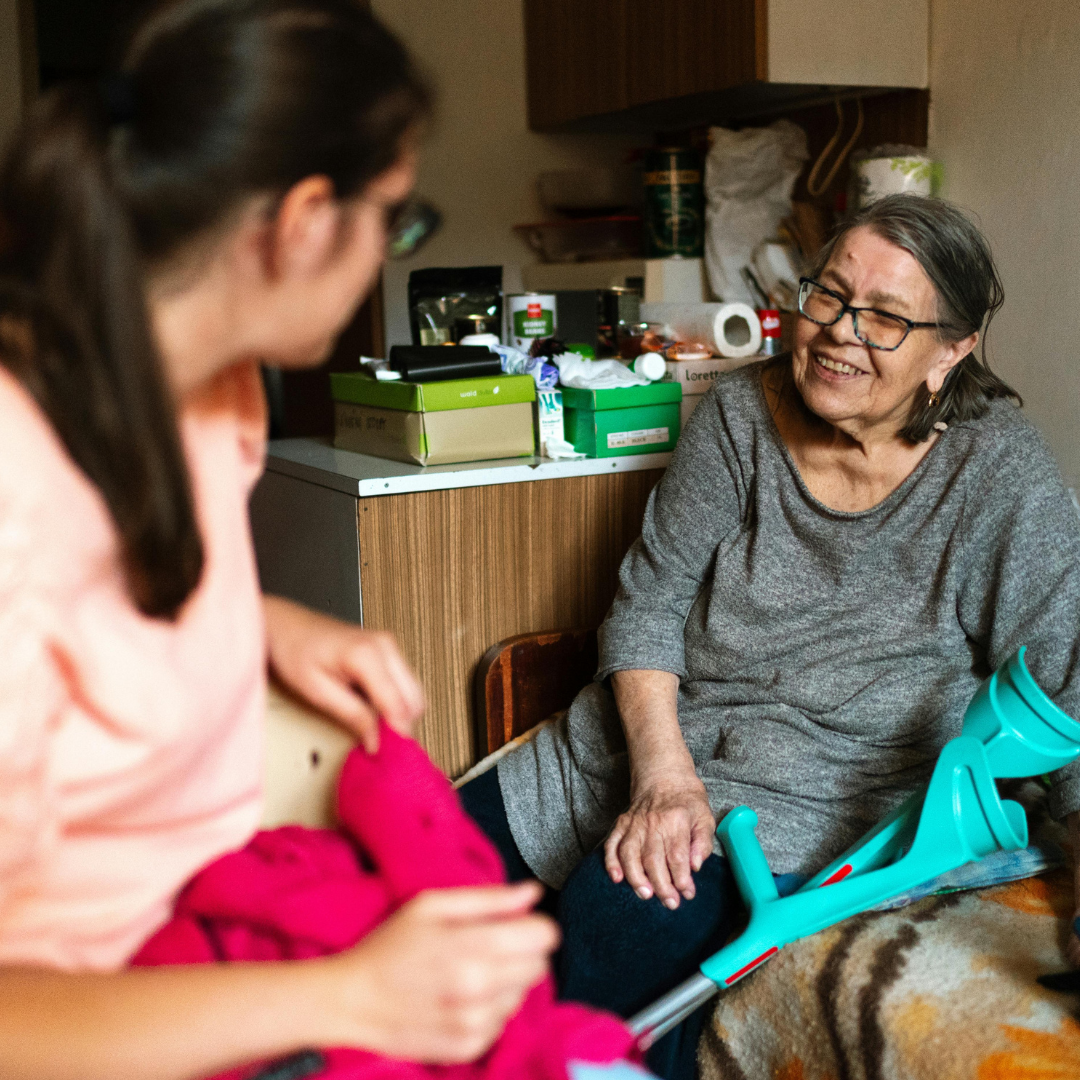
When assisted living professionals encounter residents with repeated agitation, resistance to care, emotional shutdowns, or unexplained behavioral escalations, the response is often clinical: medication reviews, revised behavioral plans, or increased supervision.
But what if the behavior is not only about aging, dementia, or cognitive decline?
What if the resident’s nervous system is responding to experiences that happened decades ago?
Research on adverse childhood experiences (ACEs) and trauma across the lifespan is transforming what healthcare professionals understand about older adults in assisted living and long-term care settings. Childhood trauma does not simply disappear with age. It can remain embedded in the body’s stress-response system for a lifetime — shaping emotional regulation, trust, physical reactions, and behavioral responses well into older adulthood.
For nurses, administrators, caregivers, and assisted living leaders, understanding this framework is no longer optional. It is essential to providing dignified, effective, trauma-informed care.
What Are ACEs?
Adverse childhood experiences (ACEs) include:
- Physical abuse
- Sexual abuse
- Emotional abuse
- Neglect
- Household violence
- Parental substance misuse
- Mental illness in the household
- Chronic poverty
- Incarceration of a family member
These experiences can create toxic stress that alters brain development, stress hormones, immune function, and long-term health outcomes.
Older adults currently living in assisted living communities grew up during eras when childhood abuse was rarely discussed, trauma was poorly understood, and mental health support was often inaccessible.
Many survived silently.
Why Trauma Shows Up in Assisted Living Settings
Trauma-informed care helps explain behaviors that otherwise appear confusing or “difficult.”
Examples include:
- A resident who becomes combative during bathing assistance
- A patient who panics when touched unexpectedly
- A resident who refuses care from male staff members
- Night terrors, screaming, wandering, or hypervigilance
- Emotional shutdown during medical procedures
- Intense reactions to loss of control or authority
These are not always solely dementia-related symptoms. In many cases, they may reflect trauma responses rooted in experiences from decades earlier.
What Trauma-Informed Assisted Living Looks Like
Trauma-informed care does not require staff to become therapists.
It requires staff to recognize patterns differently and respond with understanding rather than punishment or frustration.
Effective trauma-informed practices include:
- Explaining every step of care before physical contact
- Allowing residents as much control and choice as possible
- Avoiding surprise touch or rushed procedures
- Creating predictable routines
- Using calm, consistent communication
- Recognizing behavioral triggers
- Training staff to identify signs of unresolved trauma
- Building trust before demanding compliance
These approaches often improve resident cooperation, reduce distress, decrease behavioral incidents, and strengthen staff-resident relationships.
Why This Matters for Assisted Living Organizations
Trauma-informed care is not just compassionate care. It is operationally smart care.
Organizations that implement trauma-informed frameworks often experience:
- Lower staff burnout
- Better resident outcomes
- Reduced behavioral escalations
- Improved care plan adherence
- Stronger family trust
- Greater resident dignity
- Better workforce retention
- Reduced crisis interventions
Understanding the lifetime behind the behavior changes everything about how care is delivered.
The Missing Training Gap in Elder Care
Most assisted living professionals were never formally trained to recognize trauma presentations in older adults.
Yet the need is enormous.
Many residents:
- Survived childhood abuse
- Experienced domestic violence
- Lived through war or displacement
- Experienced institutional abuse
- Endured poverty and chronic instability
- Lost autonomy repeatedly throughout life
These experiences shape how residents respond to caregiving environments today.
The science is clear: trauma-informed elder care is rapidly becoming one of the most important competencies in modern assisted living practice.
The Future of Assisted Living Is Trauma-Informed
Healthcare professionals are increasingly recognizing that behaviors often labeled “noncompliant,” “aggressive,” or “difficult” may actually be survival responses.
That shift matters.
Because once staff understand the roots of behavior, care becomes more compassionate, more effective, and more humane.
The resident changes from a problem to manage into a person to understand.
And that understanding is where healing, dignity, and better care begin.
25 Frequently Asked Questions Meeting Planners Ask About Booking Dr. Pamela J. Pine
1. Who is Dr. Pamela J. Pine?
Dr. Pamela J. Pine is a public health expert, professor, bestselling author, and professional speaker specializing in childhood trauma, ACEs, resilience, trauma-informed leadership, and organizational transformation.
2. What topics does Dr. Pine speak on?
Popular keynote topics include:
- What We ALL Need to Know About Childhood Trauma – and WHY!
- Healing Childhood Trauma: From ACEs to Empowerment
- The Link Between ACEs and Cancer
- Trauma-Informed Practices That Work in Real-World Communities
- Breaking the Silence
- Workplace Transformation Through Childhood Trauma Awareness and Action
3. What industries does she speak to?
Healthcare, education, government, nonprofits, libraries, risk management, public health, corporate leadership, parks and recreation, HR, mental health, dentistry, elder care, AI/data science, and more.
4. Is her content evidence-based?
Yes. Her presentations are grounded in peer-reviewed research, public health science, and more than two decades of professional experience.
5. Can presentations be customized?
Absolutely. Every keynote or workshop can be tailored to the audience, industry, conference goals, and learning objectives.
6. Does Dr. Pine provide virtual presentations?
Yes. She offers virtual keynotes, webinars, hybrid presentations, and online training sessions globally.
7. How long are her presentations?
Formats range from:
- 30-minute keynotes
- 60–90 minute sessions
- Half-day workshops
- Full-day trainings
- Multi-session conference tracks
8. What makes her presentations unique?
Dr. Pine combines neuroscience, public health, trauma science, organizational leadership, and practical application into engaging, emotionally resonant presentations.
9. Are her talks appropriate for non-clinical audiences?
Yes. Her content is designed to be accessible and actionable for both clinical and non-clinical professionals.
10. Does she discuss workplace resilience?
Yes. Workplace resilience, burnout prevention, organizational trust, and trauma-informed leadership are central themes.
11. Can she address staff burnout and retention?
Yes. Her presentations often explore how trauma awareness improves retention, morale, communication, and organizational culture.
12. Does she offer CEUs or continuing education sessions?
Depending on the organization and accrediting requirements, CE-compatible educational sessions may be available.
13. What audience sizes can she accommodate?
From small executive teams to national conferences with thousands of attendees.
14. Is her content suitable for leadership conferences?
Yes. Leadership, organizational culture, employee wellbeing, and resilience are key focus areas.
15. Does she speak internationally?
Yes. Dr. Pine works with organizations and conferences globally.
16. What outcomes can attendees expect?
Attendees typically leave with:
- Greater understanding of ACEs
- Practical trauma-informed tools
- Improved communication strategies
- Leadership insights
- Prevention frameworks
- Actionable resilience strategies
17. Can she provide breakout sessions in addition to a keynote?
Yes. She frequently combines keynote presentations with workshops, panels, or breakout sessions.
18. Does her work address child sexual abuse prevention?
Yes. Prevention, survivor advocacy, and organizational response are core components of her expertise.
19. Can presentations focus on policy and systems change?
Yes. Dr. Pine regularly addresses organizational systems, policy implications, and institutional culture transformation.
20. Is her speaking style academic or conversational?
Both. She combines research credibility with an engaging, accessible, story-driven style.
21. Does she provide actionable tools?
Yes. Audiences receive practical, real-world strategies they can immediately implement.
22. Can she speak about trauma-informed healthcare?
Absolutely. Healthcare, behavioral health, elder care, dental care, and public health are major focus areas.
23. What conference themes align with her work?
Leadership, resilience, workforce wellbeing, trauma-informed care, organizational culture, mental health, prevention, safety, and community health.
24. How far in advance should organizations book?
Booking timelines vary, but early scheduling is recommended for conferences and annual meetings.
25. Where can meeting planners learn more?
Meeting planners can learn more about Dr. Pine’s work and Stop the Silence® at:
SEO Meta Description
Discover how adverse childhood experiences (ACEs) shape assisted living resident behavior, trauma-informed elder care practices, and organizational outcomes. Learn why trauma-informed healthcare training is essential for modern assisted living professionals.
Suggested SEO Title
The Lifetime Behind the Behavior: How Childhood Trauma and ACEs Shape Assisted Living Residents











Leave A Comment