

For years, the business world has framed burnout, self-sabotage, chronic stress, and leadership struggles as productivity problems. But what if the real issue started long before the first business plan, board meeting, or leadership role?
The science surrounding adverse childhood experiences (ACEs) is changing how we understand workplace performance, entrepreneurship, leadership resilience, and organizational culture. Increasingly, business leaders, HR professionals, conference organizers, and executive teams are recognizing that childhood trauma is not just a personal issue — it is a business issue.
What Are ACEs — and Why Do They Matter in Business?
Adverse childhood experiences (ACEs) include experiences such as:
- Physical, emotional, or sexual abuse
- Neglect
- Household violence
- Parental substance use
- Mental illness in the home
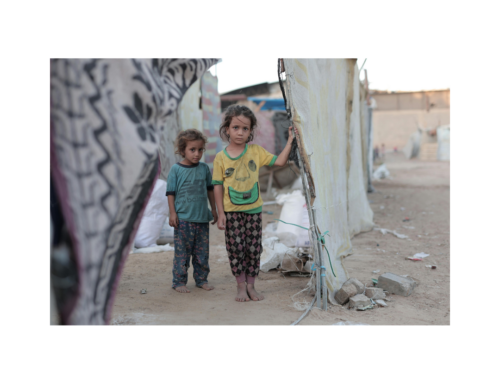
- Poverty and chronic instability
Research consistently shows that ACEs can affect:
- Stress-response systems
- Decision-making under pressure
- Trust and relationship-building
- Emotional regulation
- Workplace communication
- Leadership confidence
- Burnout vulnerability
For many professionals, the effects do not disappear in adulthood. They simply become harder to recognize.
The Hidden Business Impact of Childhood Trauma
Many high-achieving professionals are unknowingly operating from survival patterns shaped decades earlier.
This can show up as:
- Chronic overwork and inability to rest
- Fear of delegation
- Difficulty trusting teams
- Perfectionism disguised as “high standards”
- Burnout cycles
- Conflict avoidance
- Underpricing services
- Anxiety around visibility or leadership
- Difficulty retaining employees
- Emotional exhaustion in caregiving professions
The issue is not lack of intelligence, ambition, or capability. Often, it is an unrecognized nervous system response shaped by early adversity.
Why Trauma-Informed Leadership Matters
Trauma-informed leadership is not therapy in the workplace. It is a practical, evidence-informed approach to understanding human behavior, organizational resilience, and team performance.
Organizations that adopt trauma-informed practices often see:
- Improved employee retention
- Better communication
- Reduced workplace conflict
- Greater psychological safety
- Stronger team cohesion
- Increased trust and engagement
- Reduced burnout
- More sustainable leadership cultures
Understanding trauma helps leaders stop asking:
“What is wrong with this employee?”
And start asking:
“What experiences may be shaping this behavior?”
That shift changes workplace culture profoundly.
Why This Conversation Is Growing Across Industries
Professionals across sectors are increasingly seeking education on ACEs and trauma-informed systems because the impact touches nearly every field:
- Healthcare
- Education
- Human resources
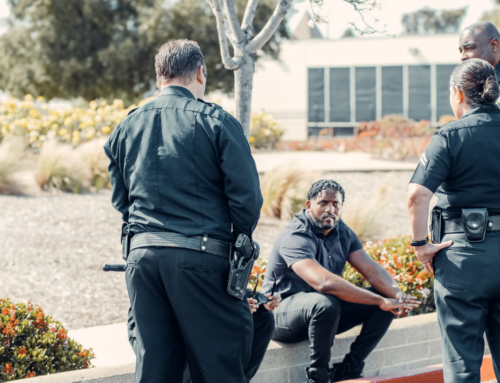
- Public safety
- Risk management
- Corporate leadership
- Customer success
- Parks and recreation
- Libraries
- Sports coaching
- AI and data science
- Community development
The organizations that adapt early are building stronger, healthier, and more resilient cultures.
What Meeting Planners and Organizations Are Looking For
Conference organizers and leadership teams increasingly want speakers who can connect public health science with real-world workplace performance, resilience, and organizational transformation.
Dr. Pamela J. Pine brings more than two decades of experience at the intersection of:
- Childhood trauma prevention
- Public health
- Organizational resilience
- Workforce wellbeing
- Leadership development
- Trauma-informed systems
- Community engagement
Her presentations combine research, practical application, compelling storytelling, and actionable strategies audiences can implement immediately.
25 Frequently Asked Questions Meeting Planners Ask About Booking Dr. Pamela J. Pine
1. What topics does Dr. Pamela Pine speak on?
Dr. Pine speaks on childhood trauma, ACEs, trauma-informed leadership, workforce resilience, organizational culture, public health, prevention, burnout, and healing-centered systems.
2. What are Dr. Pine’s most requested keynote topics?
Popular topics include:
- What We ALL Need to Know About Childhood Trauma – and WHY!
- Healing Childhood Trauma: From ACEs to Empowerment
- The Link Between ACEs and Cancer: What Professionals Must Know
- Trauma-Informed Practices That Work in Real-World Communities
- Breaking the Silence: Prevention, Policy, and Healing
- Workplace Transformation through Childhood Trauma Awareness and Action
3. Who books Dr. Pine to speak?
Associations, conferences, healthcare systems, universities, nonprofits, government agencies, schools, leadership summits, HR organizations, and corporations.
4. Is Dr. Pine’s content evidence-based?
Yes. Her presentations are grounded in decades of peer-reviewed ACE and trauma research, public health science, and real-world organizational application.
5. Can presentations be customized for our audience?
Absolutely. Sessions are tailored for industries including healthcare, education, HR, public safety, business leadership, libraries, sports, municipal risk, and more.
6. Does Dr. Pine offer keynote presentations?
Yes. She delivers keynote speeches, breakout sessions, workshops, executive briefings, and panel discussions.
7. How long are the presentations?
Sessions can range from 30-minute keynotes to full-day workshops and multi-session trainings.
8. Are presentations suitable for non-clinical audiences?
Yes. Dr. Pine translates complex trauma science into accessible, practical language for professionals across industries.
9. Does Dr. Pine speak internationally?
Yes. She is available for both domestic and international conferences and events.
10. Can sessions include actionable workplace strategies?
Yes. Audiences leave with practical tools they can implement immediately.
11. What makes Dr. Pine different from other speakers?
She combines public health expertise, trauma science, organizational insight, and compelling storytelling with practical application.
12. Does she address burnout and workforce retention?
Yes. Burnout, resilience, employee engagement, and organizational culture are central themes in many presentations.
13. Are virtual presentations available?
Yes. Dr. Pine offers virtual keynotes, webinars, and hybrid event participation.
14. What industries benefit most from trauma-informed training?
Healthcare, education, nonprofits, corporate leadership, HR, government, libraries, parks and recreation, public safety, risk management, and youth-serving organizations.
15. Does she provide trauma-informed leadership training?
Yes. Leadership-focused presentations are among her most requested offerings.
16. Can presentations address ACEs and physical health outcomes?
Yes. Dr. Pine frequently speaks about the connection between ACEs and chronic disease, including cancer.
17. Are the presentations emotionally heavy?
The content is honest and evidence-based while remaining hopeful, empowering, and solutions-oriented.
18. Does Dr. Pine discuss prevention strategies?
Yes. Prevention, policy, early intervention, and organizational change are major components of her work.
19. Can she adapt content for executive audiences?
Absolutely. Sessions can be tailored for C-suite leaders, boards, managers, or frontline staff.
20. Does she provide workshops for staff teams?
Yes. Interactive workshops and trainings are available for organizations seeking deeper implementation.
21. Are continuing education sessions available?
Depending on the organization and accreditation requirements, sessions may qualify for CE opportunities.
22. What outcomes do organizations report after her presentations?
Organizations often report increased awareness, stronger communication, improved empathy, leadership insight, and momentum toward trauma-informed culture change.
23. Is the content appropriate for conferences focused on leadership or innovation?
Yes. Trauma-informed leadership and resilience are increasingly recognized as essential components of innovation and organizational success.
24. How far in advance should organizations book Dr. Pine?
Booking several months in advance is recommended, especially for conferences and annual events.
25. Where can meeting planners learn more?
Meeting planners can learn more about Dr. Pine and her work through Stop the Silence® at IVAT
About Dr. Pamela J. Pine
Dr. Pamela J. Pine, PhD, MPH, MAIA, RCHES, CFRE, is the Founder and Director of Stop the Silence®, a department of the Institute of Violence, Abuse and Trauma. She is a professor of public health, bestselling author, and internationally recognized speaker focused on childhood trauma prevention, adverse childhood experiences, workforce resilience, and trauma-informed organizational transformation.









Leave A Comment